Aviation Safety

GFR 3.0

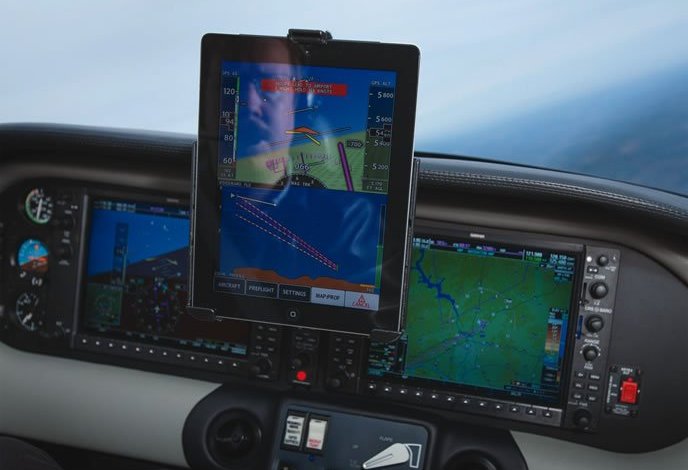
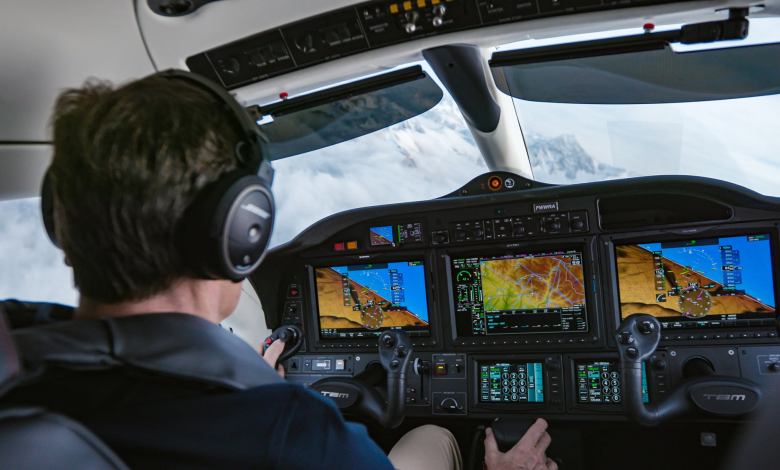
Todays market-leading EFB software offers a much richer feature set than was available even two years ago. One of the driving factors is improved, faster hardware from the usual suspects in smartphones and tablets-Moores Law in action. Another is ADS-B INs free traffic and weather data, which has helped drive the EFB-app market. A third is increased availability and use of electronic attitude and heading reference systems (AHRS), which leverage the miniaturization and proliferation of related sensors developed for the commercial semi-conductor market. These are the same sensors that have revolutionized the drone or unmanned aerial vehicle market, a whole nuther topic. And developers keep coming up with innovative software.
Read More »

Foreign Object Debris

Alone, I stood in the cordoned area looking at the remains of an F-16s left main gear wheel rim. A whirlwind Safety Investigation Board notice two days before placed me in this hangar with a table full of junk; a damaged F-16 sat behind me on jacks. Quietly, I contemplated the pieces, methodically shifting broken metal on a table until I had a deformed, but complete, F-16 main gear rim. Within an hours time, Id arranged the tire bits around the junk rim. Three days ago these were in airworthy condition.

Read More »

Anatomy Of Failure

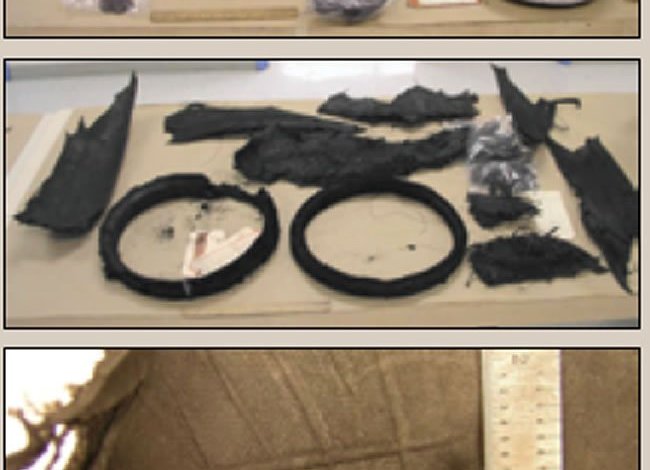
These three photographs document the damage to the F-16s wheel (top) and tire (middle). Most of the wheel damage occurred when it struck a slightly elevated lip in the runway pavement at around 100 knots, well after the tire had failed. Remains of the tire include its circular bead structure and what was found of its tread and sidewalls.

Read More »

Wind Shear Is Another Matter Altogether

On August 2, 1985, Delta Air Lines Flight 191, a Lockheed L-1011, crashed while approaching the Dallas/Fort Worth International Airport, Texas. While passing through the rain shaft beneath a thunderstorm, Flight 191 entered a microburst, which the crew was unable to traverse successfully. Of the 163 aboard, 134 passengers and crew died; 26 passengers and three cabin attendants survived.

Read More »

Another Myth Busted?

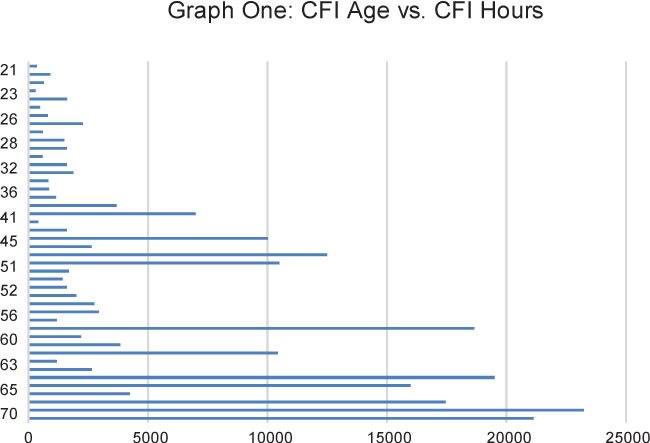
So, what does all this mean? Should primary students and those seeking advanced ratings, proficiency training or just a simple flight review pass up flying with the grizzled veteran in favor of the young whippersnapper? Maybe, but not necessarily based on the results from this research alone.

Read More »

Im sorry, Dave. Im Afraid I still cant do that

Despite the very real recent advances in EFB software-including features like ForeFlights synthetic vision and Xavions energy-management capabilities, described in the sidebar on the opposite page-there are some things gadgets still cant do in the cockpit:

Read More »

Gadget Flight Rules 2.0

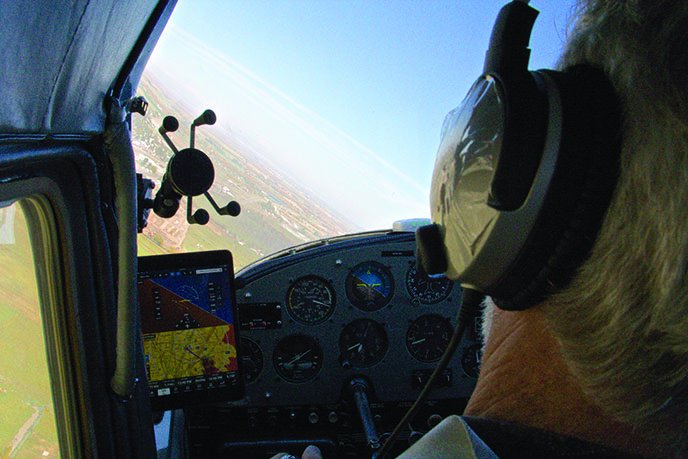
Nearly two years have passed since Aviation Safety introduced the concept of gadget flight rules (GFR) in the December 2013 issue. The original article examined using non-certified gadgets-personal electronic devices running appropriate software-to salvage a flight when your certified instruments fail. The conclusion was, yes, gadgets can provide backup, but the user must understand the novel ways they can help or hinder flight safety. Put another way, gadgets are only as good as our ability to use them; a safe pilot must know and understand their capabilities and limitations as well.

Read More »

A Good IFR Platform?

Especially if we include Experimental aircraft, there are many different makes and models from which owners and operation may choose, each of them having their own set of features. Whether we want an aircraft to perform aerobatics, do aerial application, conduct training or even engage in cargo operations, theres a model out there, somewhere, optimized for the mission. But all aircraft embody compromises: none literally can do everything.

Read More »

Airplane Performance Study

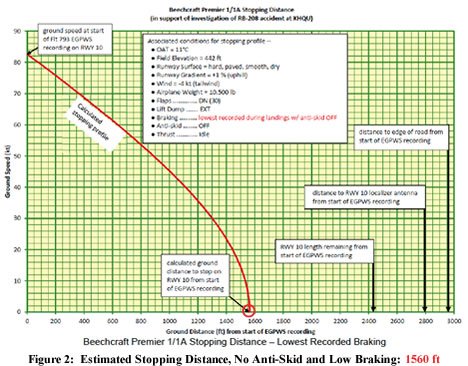
Beechcraft calculated stopping performance for several scenarios related to this accident flight. The manufacturer concluded the estimated stopping distance for the accident airplane with no antiskid system operative and the lowest braking action recorded would be about 1560 feet, based on the first speed recorded by the EGPWS, which was 83 knots.

Read More »
Pilot in aircraft
Sign-up for newsletters & special offers!

Get the latest stories & special offers delivered directly to your inbox.

SUBSCRIBE