Another Myth Busted?

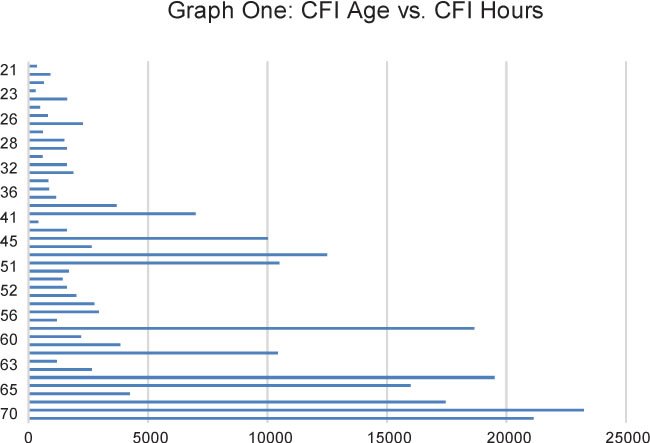
So, what does all this mean? Should primary students and those seeking advanced ratings, proficiency training or just a simple flight review pass up flying with the grizzled veteran in favor of the young whippersnapper? Maybe, but not necessarily based on the results from this research alone.

Gemini Sparkle

Key Takeaways:

  • A 2003 FAA study indicated that professional pilot accident rates generally decreased for younger pilots as they aged, but showed a statistical trend toward higher accident rates for older pilots holding Class 1 medical and ATP certificates.
  • The article questions whether students should choose instructors based on age, noting that research on instructional accidents does not specify how frequently instructors of similar age/experience are involved in particular accident types.
  • Further questions arise regarding whether specific types of instruction are more or less likely to result in accidents, and if instructor age correlates with engaging in advanced training.
See a mistake? Contact us.

So, what does all this mean? Should primary students and those seeking advanced ratings, proficiency training or just a simple flight review pass up flying with the grizzled veteran in favor of the young whippersnapper? Maybe, but not necessarily based on the results from this research alone.

For example, a 2003 study for the FAAs Civil Aeromedical Institute, Pilot Age and Accident Rates Report 3: An Analysis of Professional Air Transport Pilot Accident Rates by Age, generally found the accident rate decreased for younger pilots as they aged, and then leveled off in the middle years. At the same time, it found that the statistical trend for older pilots holding Class 1 medical and ATP certificates was toward higher accident rates.

One question this research on instructional accidents did not answer is how frequently instructors with similar experience/age characteristics are involved in specific accident types. For example, might CFIs over 40 be more likely to become involved in accidents where weather or low flying is a factor? Might young instructors be more prone to stalling, failing to follow checklists or prove unable to handle a mechanical failure?

Another question arising from this research is whether specific types of instruction are more or less likely to end in an accident. Giving a flight review usually is considered to be less risky than multi-engine training or aerobatics, for example, but is that correct? Are older, more-experienced CFIs more or less likely to engage in advanced instruction than their younger and less-experienced colleagues?

Ready to Sell Your Aircraft?

List your airplane on AircraftForSale.com and reach qualified buyers.

List Your Aircraft
AircraftForSale Logo | FLYING Logo
Pilot in aircraft
Sign-up for newsletters & special offers!

Get the latest stories & special offers delivered directly to your inbox.

SUBSCRIBE