Aviation Safety

Incomplete Circles

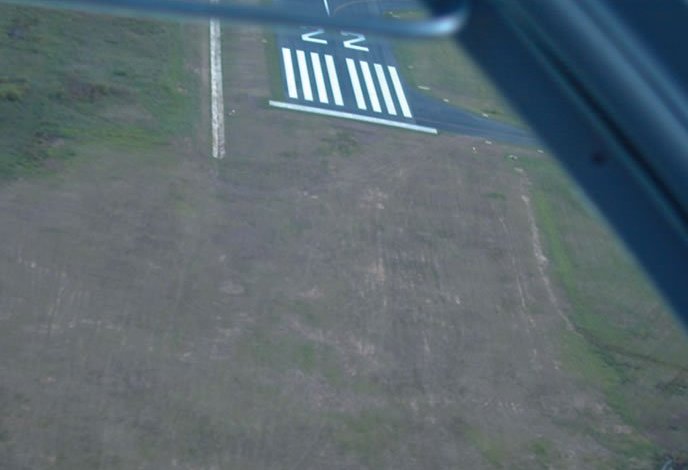
Not all approach procedures are aligned with the runway on which we want to land. Once we have it in sight, to get from the procedures missed approach point (MAP) to the desired runway, we may need to maneuver well within 1000 feet agl in low visibility, and do it at a relatively low airspeed to remain within airspace protected from obstacles. Its called circling to land, and is one of IFRs red-headed stepchildren: a visual maneuver, with IFR constraints.Sadly, a few of us each year prang airplanes while circling to a runway after an approach. To learn more about how and why, we looked at a collection of recent accidents during circling maneuvers. They all seem to have a few things in common, like banking too steeply in turns and letting the airplane descend too early.
Read More »

Reconstructing The Data

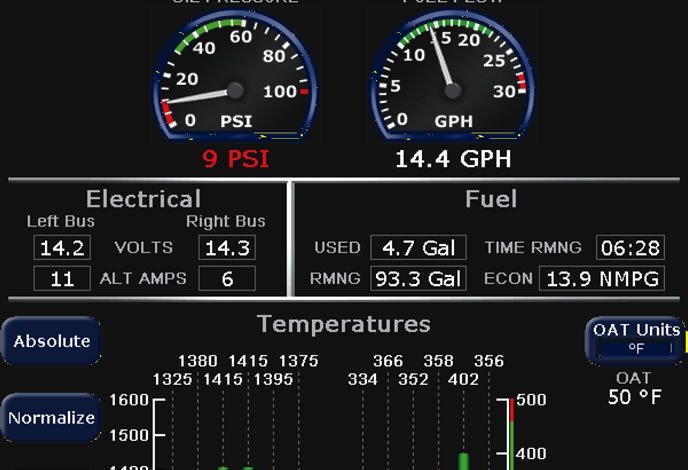
According to the NTSB, Data downloaded from the primary and multifunction cockpit displays indicate that the engine began steadily losing oil pressure during the airplanes initial climb until it leveled off at a cruise altitude of 5000 feet msl. Data suggest that, at that time, the pilot leaned the fuel mixture for cruise flight. Although the pilot could have detected the decreasing oil pressure at that time, [s]he did not report a loss of fuel pressure and engine power to the air traffic controller until about six minutes later.

Read More »

Protected Airspace For Circling Approaches

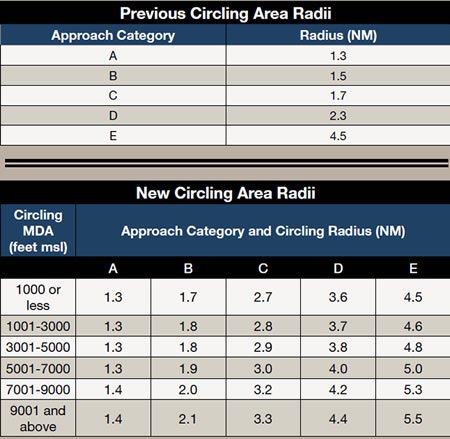
As noted in this articles main text, the FAA recently revised its criteria describing how much airspace is required to perform the circling maneuver. The new criteria consider the altitude at which the aircraft is circling. The higher the altitude, the greater the true airspeed when circling at the same indicated airspeed, and thus the greater the turn radius, which makes expanding the protected airspace desirable. The downside? Many minimum descent altitudes for circling approaches will be going up. The two tables below compare the previous criteria to the new.

Read More »

Tree-Top Flyer

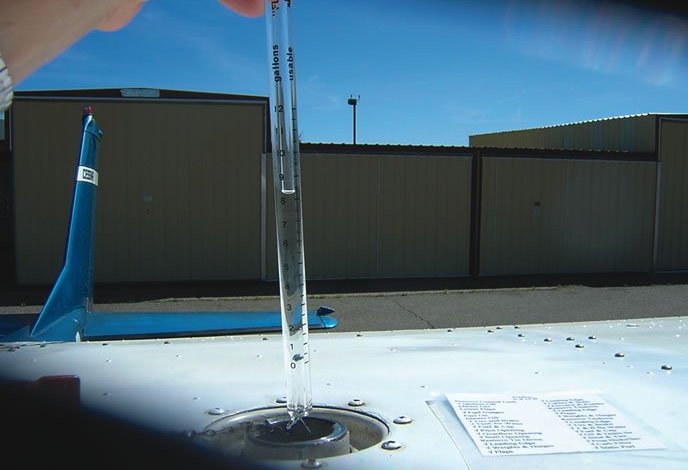
I was flying my Cessna T210 Turbo Centurion from White Plains, N.Y. (KHPN), to Atlantas Dekalb-Peachtree Airport (KPDK). Thanks to a supplementary tank, I had enough fuel to make the flight with an hour’s reserve. Before takeoff, I had watched the line crew fill the fuel tanks to overflowing.

Read More »

Pinned

The following information is derived from the FAAs Service Difficulty Reports and Aviation Maintenance Alerts.

Read More »

Using The Rudder

I thoroughly enjoy reading Aviation Safety and its professional articles. Having said that, I was surprised to read the questionable advice by Michael Banner in his article, Proper Rudder Use (October 2014).

Read More »

Is Stability All That Important For Instrument Work?

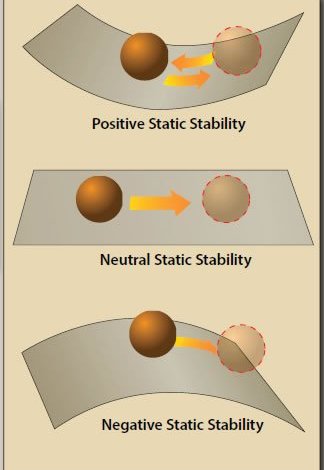
When considering an airplanes stability, we need to distinguish between static and dynamic stability. The FAAs Pilots Handbook of Aeronautical Knowledge, FAA-H-8083-25A, says the static version relates to the aircrafts initial response when disturbed from a given AoA, slip, or bank. It comes in three flavors, each of which are depicted at right:

Read More »

Pilot And CFI Profiles

As I analyzed those 55 reports, built my spreadsheets, and did my statistical calculations, I discovered I needed to categorically reject my original supposition as to what I would find. It turns out the mean age of CFIs involved in a fatal accident is 44.4 years. Not even close to my hypothesis of 23.

Read More »

Gadget Flight Rules

Carry a back-up for critical functions: either a second gadget configured like your primary one or-the horror!-actual paper. Print out the terminal procedures you expect to need. Include a copy of your flight plan. Write down your clearance, and any amendments. Maybe even a sectional chart?

Read More »

Pseudo Black Box Functionality

iPads, tablets and various handheld and panel-mounted GPS gadgets are frequently used in NTSB reports for their forensic data. Investigators often can reconstruct flight tracks or view the page the pilot was looking at when the crash occurred. They also can reconstruct other user history, including how recently apps were open, if databases were updated, what weather information was available, etc. In some ways, the NTSB can get much richer data sets about GA accidents than they get from an airliners black boxes.

Read More »
Pilot in aircraft
Sign-up for newsletters & special offers!

Get the latest stories & special offers delivered directly to your inbox.

SUBSCRIBE