Aviation Safety

Garmins Flightstream

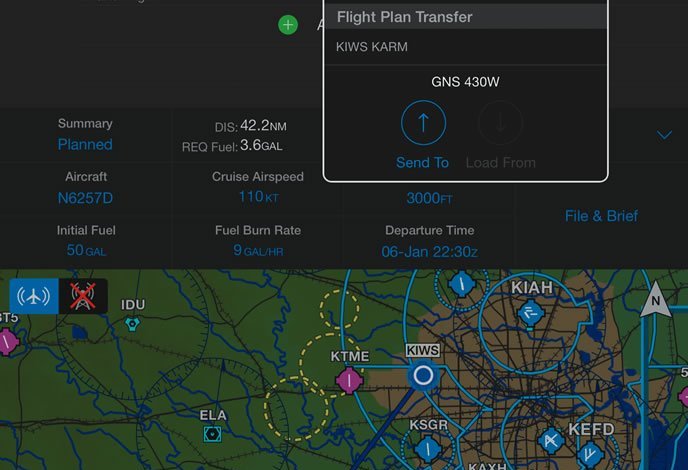
Garmins Flightstream 110/210 is the hardware side of the companys Connext wireless Bluetooth technology, which provides an interface between the companys panel-mounted avionics-the GNS- and GTN-series navigators-and the pilots tablet-based EFB app, as pictured. On a tablet, the benefits of Connext are only available when running Garmins Pilot app, which is available for iOS and Android devices.
Read More »

Aspen Avionics

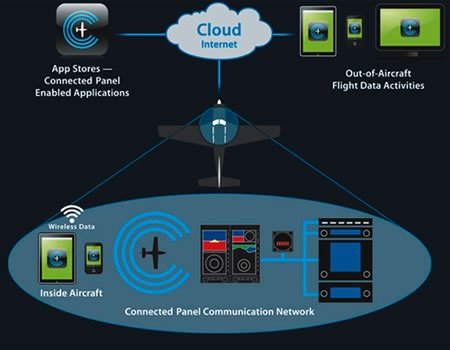
The basic architecture of Aspen Avionics Connected Panel networked cockpit is depicted at left, courtesy the company. Wireless equipment in the cockpit is nothing new, but it rarely was connected to anything other than audio.

Read More »

Wheres The Remote?

Believe it or not, its been only five years next month since the first iPad was released. Even though it sometimes seems the tablet computers were developed for aviation use, its been even less time since they were first used in a cockpit. The fact is many pilots these days cant imagine life without a tablet computer of some sort enhancing their situational awareness or displaying a needed chart. And as more and more performance, capability and convenience were shoehorned into them, it was just a matter of time before they were embraced by avionics manufacturers.

Read More »

How do you stack up?

Are your own proficiency levels where you want them to be? Take a close look at your own unique situation and decide if changes are needed in your own ongoing proficiency program.

Read More »

Whats It Doing Now?

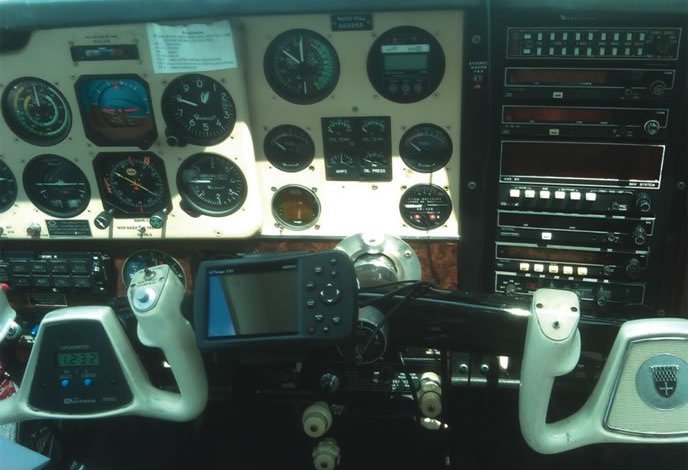
In this photo of my former Bonanzas panel, top, you can see it includes analog instruments along with VOR- and ADF-based nav systems, and a lone portable GPS on the yoke. Most of it operated intuitively and without the need to navigate various sub-menus. Even the airplanes sophisticated-for-its-day Century IV autopilot with yaw damper is relatively simple to operate.

Read More »

Planning for Currency and Proficiency

When I began flying again, in a rental aircraft, I resolved to avoid just boring holes in the air and instead try to maintain my skills through deliberate exposure to the entire operating environment. That meant I would try to maintain my instrument currency and proficiency and stay familiar with the IFR system. I came up with what I call an events-based program.

Read More »

Proficiency Levels

Am I ready for this flight? Thats the question I found myself asking when I decided to resume flying in a rental aircraft after a six-month lapse. This was after selling the V35B Bonanza Id owned for eight years. Since I was due for a flight review anyway, I engaged an instructor and got checked out to fly a Cessna 172 from a local flight school. I was comfortable flying the Skyhawk after only an hour and three landings, despite not having flown in six months. That certainly wouldnt be the case for all the aircraft Im rated in: The last time I flew a jet was more than seven years ago.

Read More »

Bandwith

I dont recall if it was a checkride, or just a flight with a friendly instructor putting me through some maneuvers. At some portion during it, however, the right-seater asked me what the single engines oil pressure was reading. It must have been a frustrating ride for me, because I responded with something like, I guess its still in the green, because the engine hasnt quit, but Ive been so busy I havent had time to look. My response didnt go over well, but we both may have learned something from it.

Read More »

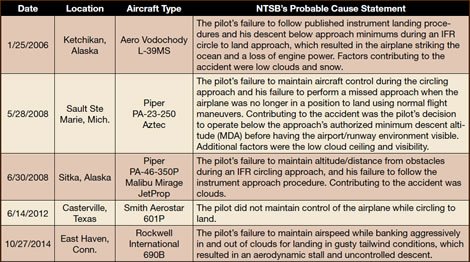
NTSB’s Probable Cause Statement

We looked at details of the five accidents summarized above for this article. There are others we could have chosen, with different lessons. One thing that jumped out at us: Simple singles werent well-represented. Is that because a simple single, say, a Cessna 172, is more maneuverable and better suited to completing a circling approach than an Aerostar? Possibly. But its also possible pilots dont fly simple singles into conditions low enough to require circling as often as they do other airplanes.

Read More »

Remember The Miss

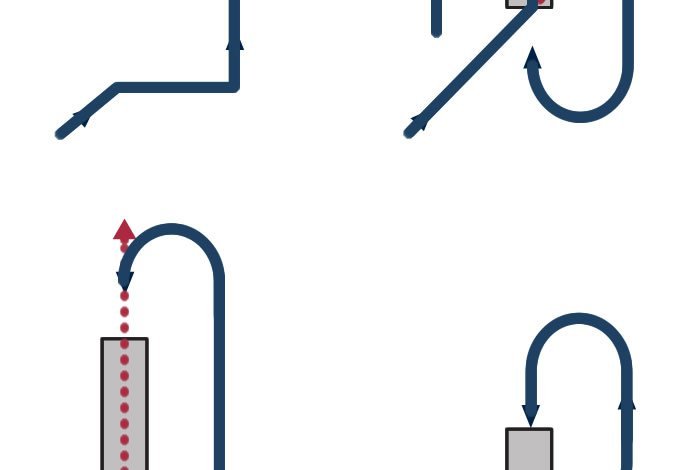
One of the ways a circling approach can go awry is when pilots get in over their heads and lose track of how to fly the missed approach procedure to get out of their situation. Even though the airport environment is in sight, it doesnt mean we always can reach the runway out of a circling-to-land maneuver. When its time to admit defeat and go around for another try, reorienting ones thinking to find the approach procedures final approach course and then follow the missed approach can be daunting.

Read More »
Pilot in aircraft
Sign-up for newsletters & special offers!

Get the latest stories & special offers delivered directly to your inbox.

SUBSCRIBE