Aviation Safety

Eyes On the Skies

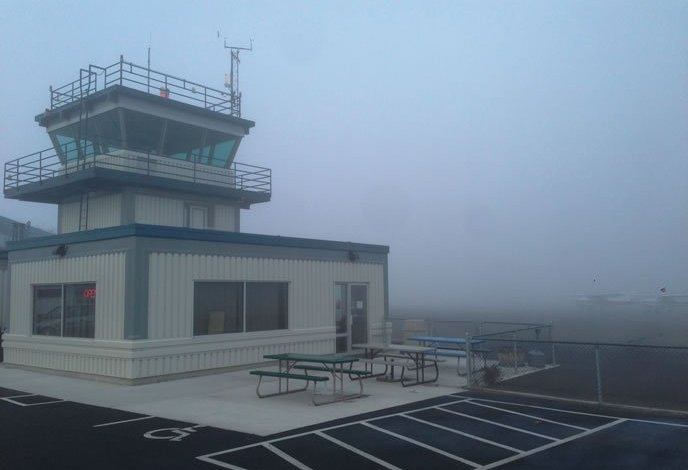
Yes, Virginia, way back when Loran was a thing, there were Flight Service Stations (FSS) with trained weather observers scattered throughout the U.S. When you called for a weather briefing, you actually talked to someone with forensic knowledge about the local weather. Not only could they interpret the aviation forecast products for you, they could put down the phone and walk outside, and tell you if it was raining. They had the kind of information that doesnt make it into forecasting products.
Read More »

Pireps and ATC Prompts

Real data is always better than a forecast. Even though Pireps contain only a tiny amount of information, they can be invaluable. Since I fly in the vacant Western U.S., having very few current Pireps is normal for the airports I fly into. Instead, I keep a list of various ATC facilities phone numbers.

Read More »

Weather Models: Theres an App for That

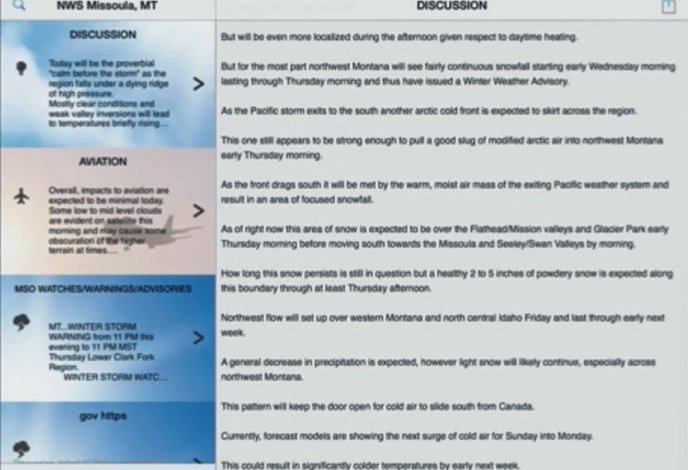
I recently discovered an app called Deep Weather, which has helped me better understand what forecasters are thinking about the forecast models they use to predict weather conditions. The app compiles data from U.S. National Weather Service forecast discussions. Following along can often provide additional clues for the reader about not just what is in the forecast, but why and how confident the forecasters are. The discussions are amended and updated throughout the day, and often are quirky and colorful.

Read More »

Weather Forensics

As I accelerated to 60 knots, I was already picking up a load of ice. It coated the windscreen and formed a thickening layer on the leading edges, I knew Id made the right decision. Instead of flying, I was driving. My car was icing up. The day before, the takeoff forecast was for marginal VMC: a ceiling at 2500 feet agl. My destinations morning fog layer was to break up at 10 a.m. local and be replaced by scattered clouds at 15,000 ft. Wanting to do this trip VFR-only, the picture was for marginal conditions at departure but trending toward good VMC.

Read More »

Stall Before Failure

One of the ideas behind slowing down to penetrate turbulence is to avoid stressing or breaking the airframe. Depending on the turbulence-wind gusts, not necessarily in the horizontal plane-can change the wings angle of attack abruptly, create airframe loads. Consider the wing depicted below, in smooth, level air (no gusts) and a relatively low angle of attack (AoA-the angle between the chord line and the relative wind):

Read More »

In The Belly Of The Beast

You should never, ever, ever, fly into a thunderstorm. If youre even thinking about it, you probably have a whole different set of problems, and there may be no choice. With that in mind, here are some suggestions on how to keep things pointed in the right direction-and the wings on-adopted from the FAAs Advisory Circular AC 00-24C, Thunderstorms.

Read More »

Why Va Usually Is Too Fast

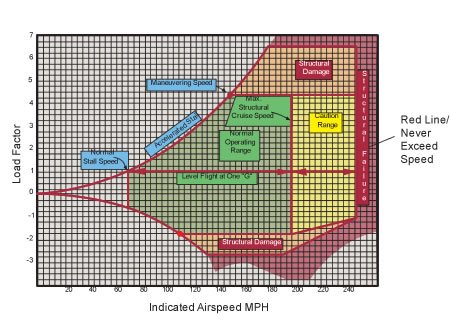
Youve probably seen something like the chart above before in your studies. Its known variously as a V-G diagram, gust diagram or simply an airplanes flight envelope. From it, we can determine the g-loading the represented airplane will experience when accelerated beyond 1G at various airspeeds. For example, the airplane depicted may suffer structural damage at 200 mph if it encounters conditions leading to a 4G loading. Those conditions can include pilot input, turbulence or some combination.

Read More »

Do I Really Want A Tablet Running This Circus?

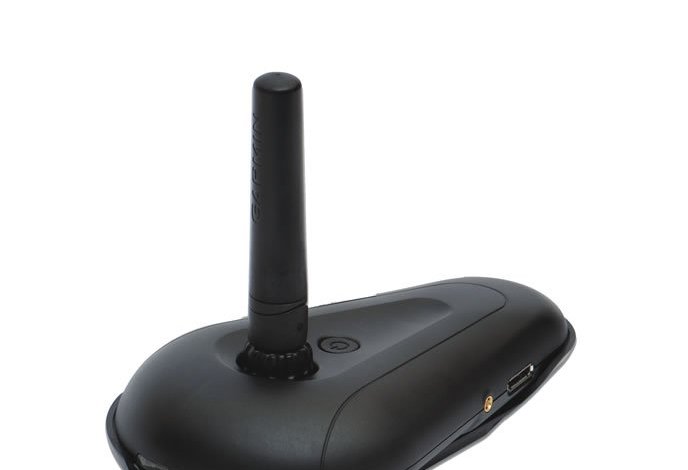
Its no secret among operators and the industry that some of the more interesting recent avionics advances have come not from the established manufacturers but from upstarts developing tablet-based apps and selling portable ADS-B receivers to feed them data. Along the way, theres been a bright line preventing portable devices from providing data to installed avionics aboard certified aircraft, but technologies like Garmins Connext and Aspens Connected Panel are starting to blur it.

Read More »

Hardware/Software Compatibility

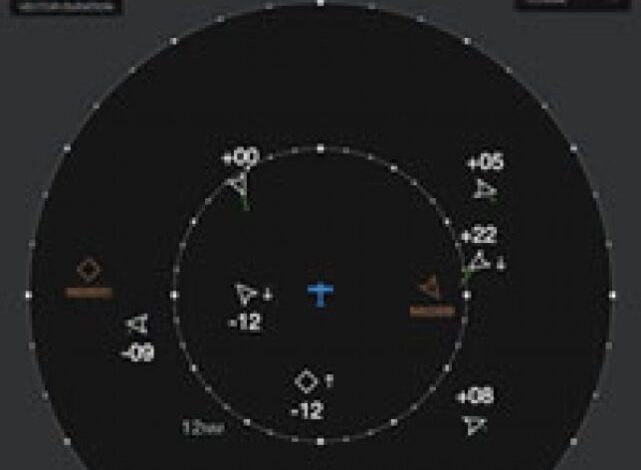
As the FAAs ADS-B network stands up, anyone with an appropriate receiver can obtain its free traffic and weather information services, TIS-B and FIS-B, available via ADS-B IN. Mix in some software, and we can display the results on a tablets moving map using only a portable receiver, often resulting in better situational awareness than when relying only on whats in the panel.

Read More »
Pilot in aircraft
Sign-up for newsletters & special offers!

Get the latest stories & special offers delivered directly to your inbox.

SUBSCRIBE