Aviation Safety

About The MU-2

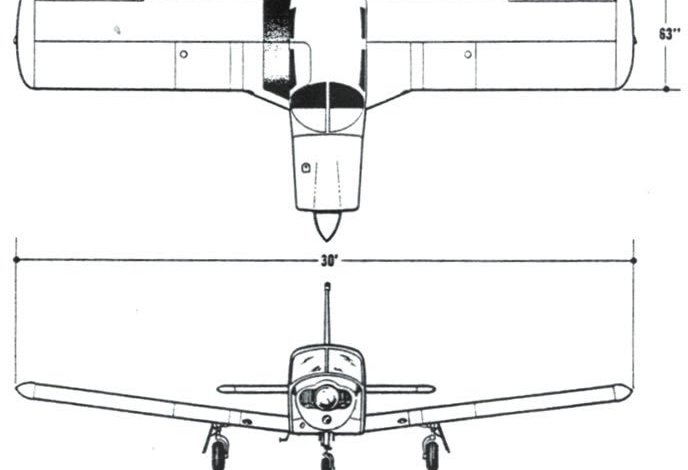
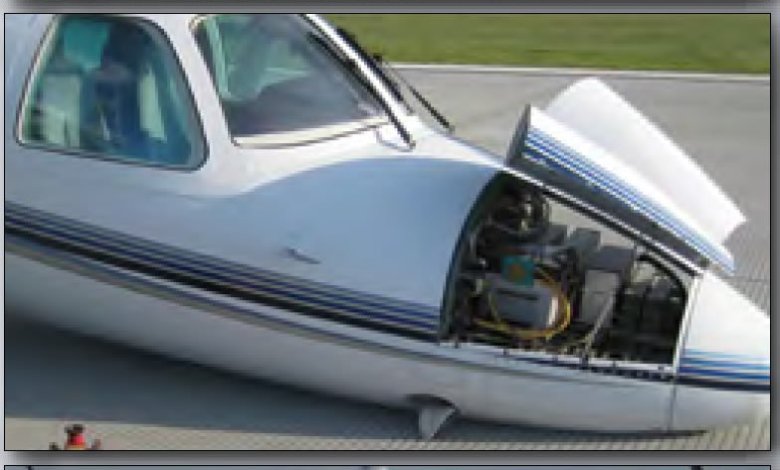
Mitsubishis MU-2 twin turboprop gained FAA type certification in 1965. Initial U.S. production and sales were handled through an arrangement with Mooney Aircraft from a facility in San Angelo, Texas. By 1969, Mooney had fallen on hard times-a familiar theme for the company-and Mitsubishi stepped in to continue production and support. Worldwide production of new airplanes ended in the 1980s, with more than 750 copies having been built.
Read More »

Lessons From Two Fatals

On his first ILS approach, the pilot initially flew through the localizer. The pilot then reestablished the airplane on the final approach course, but about 500 feet too high. He executed a missed approach and received radar vectors for another approach. The airplane was inbound on the second approach when a witness saw the airplane about 150 feet agl in about a 60-degree nose-low attitude with about an 80-degree right bank angle. Probable Cause: The pilots failure to maintain adequate airspeed during the instrument approach, which resulted in an aerodynamic stall and impact with terrain.

Read More »

Autopilots And Their Errors

They go by different nicknames-George and Otto probably are the most popular-and have become an integral part of even a basic IFR platforms standard equipment, especially when flown single-pilot. And because the latest high-tech versions on the market can do just about anything for you except eliminate a potty stop, theyve proliferated throughout all segments of the general aviation fleet. They, of course, are autopilots-electromechanical systems used to control an aircraft, and available in a wide variety of configurations and capabilities from simple wing-levelers to full-blown flight directors rivaling the modern transport jet you rode in last week.

Read More »

Thrill-Seeking

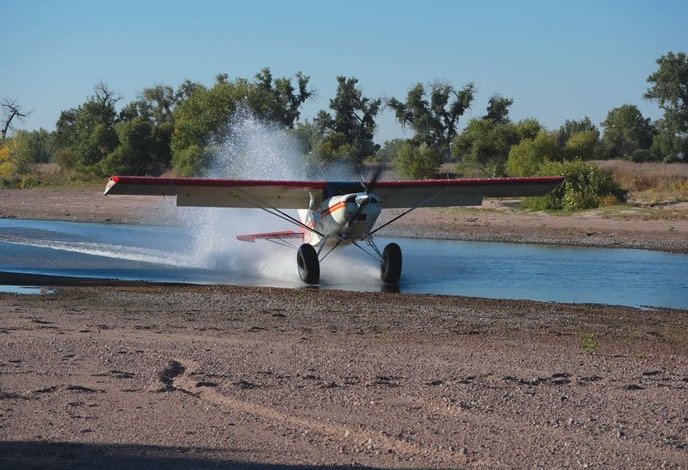
I admit I am a bit of an adventure-seeker. It may be just one big rationalization, but I want to defend the concept of aviation adventure-seeking, at least to a degree. For example, after watching a particularly challenging backcountry landing video found online, I mused over the many comments it drew, typically along the lines of Not for me, No way, and Crazy. My reaction-and I was not alone-was, I want to do that. But I also want to balance that activity with a healthy does of risk management and accident prevention, i.e., the mission of this magazine.

Read More »

The Last 400 Feet

In many conversations with instrument instructors, Ive noted a common concern about the way many pilots conclude practice precision approaches (ILS or GPS LPV) under the hood: They do a great job of keeping the needles near the center as decision altitude nears; airspeed, descent rate and heading all would be appropriate. But when the hood came off at DA and the pilot spotted the runway, it was Katie bar the door. What happened next can be summarized as a whirlwind of activity in the left seat as the power was yanked back, flap deflection increased and a dive for the runway threshold commenced. It was as if there were some sort of prize for landing short.

Read More »

Soft Spot

The trip to the in-laws had gone about as well as those things can. We were airborne in a rented Piper Arrow II-the kind with the Hershey bar wings-headed back home. But first, we had to negotiate a line of thunderstorms. I knew they were there when I took off. But Ive always had pretty good luck in picking my way through them along this route without getting wet. So off we went.

Read More »

Geared Up

Crew observed right main landing gear unsafe indication on extension at destination. Emergency gear extension procedures did not result in safe indication. After landing, right main gear collapsed as aircraft came to a stop. Significant damage was discovered to the right main gear actuator support structure.

Read More »

Make Good Decisions

Every month I read and digest the NTSB reports in Aviation Safety with a knot in my stomach. Like most pilots, I recognize and value the opportunity to learn from the circumstances that result in so many unfortunate outcomes. While I will continue to appreciate your reporting of these often-tragic events, I wanted to point out how much I enjoyed Amy Laboda’s article, Making Your Own Luck, in your January 2015 issue. If possible, I think you should print a monthly column that focuses on the excellent planning and decisions that lead to pilots safely and effectively overcoming an emergency situation. While we should continue to learn from the mistakes of others, we should also learn to emulate those who have done it right!

Read More »

Valley of the Fogs

On a recent trip to Richland, Wash. (KRLD), my destination was forecast to have ceilings at 900 feet at the time of my arrival. That is doable IFR for me if there is no ice. During my TAF trend analysis, I saw that both Moses Lake, Wash. (KMWH), and Pendleton, Ore. (KPDT), had TAFs predicting VFR conditions, making them legal IFR alternates. I chose Pendleton because it was more convenient.

Read More »
Pilot in aircraft
Sign-up for newsletters & special offers!

Get the latest stories & special offers delivered directly to your inbox.

SUBSCRIBE