Aviation Safety

Drone FARs

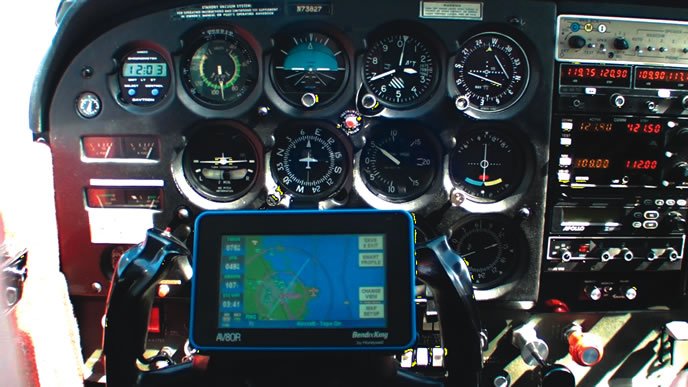
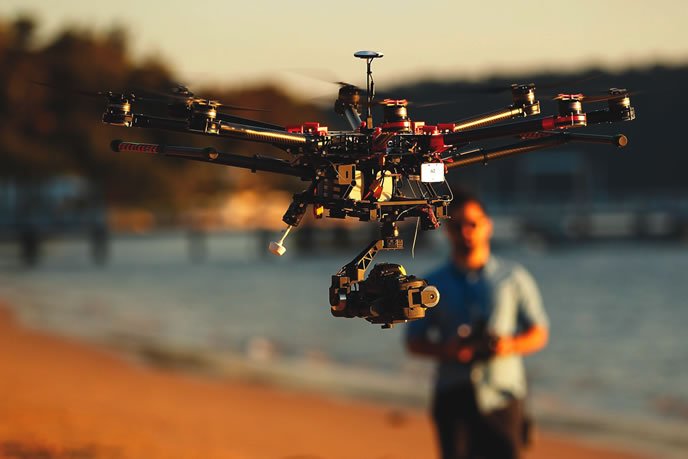
The technology you have in your glass panel, smartphone and the tablet you use in the cockpit? It turns out the same hardware and software putting a blue dot on a moving map-and displaying an accurate artificial horizon-also can be used to operate a small, airborne robot: a drone. Formally known as an unmanned aircraft system, UAS, theyve grown in sophistication and utility to the point Congress in 2012 told the FAA to come up with a framework integrating them into the national airspace system.

Read More »

Avoiding the Cross-Controlled Stall

According to the FAAs Airplane Flying Handbook, FAA-H-8083-3A, this type of stall occurs with the controls crossed-aileron pressure applied in one direction and rudder pressure in the opposite direction. In addition, when excessive back-elevator pressure is applied, a cross-control stall may result. This is a stall that is most apt to occur during a poorly planned and executed base-to-final approach turn, and often is the result of overshooting the centerline of the runway during that turn. The greatest danger from the cross-controlled stall when turning final is not the stall itself but the lack of altitude available within which the pilot may recover.

Read More »

Crossed Up

Traffic patterns arent that hard: Fly a rectangle. One side is the downwind; one side has the final approach and departure paths. Simple, right? Not really. One of the problems is all those turns we have to make align the airplane with the runway or the downwind. And some of those turns are close to the ground, at relatively low speeds and are poorly executed. Sadly, the results of steep turns to final-especially when overshooting the runways extended centerline-can be fatal.

Read More »

Backcountry Flying Challenges

My personal advanced goals mostly center around backcountry flying. I have had numerous initial and advanced courses, and Ive been fortunate to be able to visit backcountry airstrips in California, Idaho, Montana, Oregon and Utah. The better I get at backcountry flying, the more places Im able to visit safely and the more places I want to go.

Read More »

Dont Ad Lib

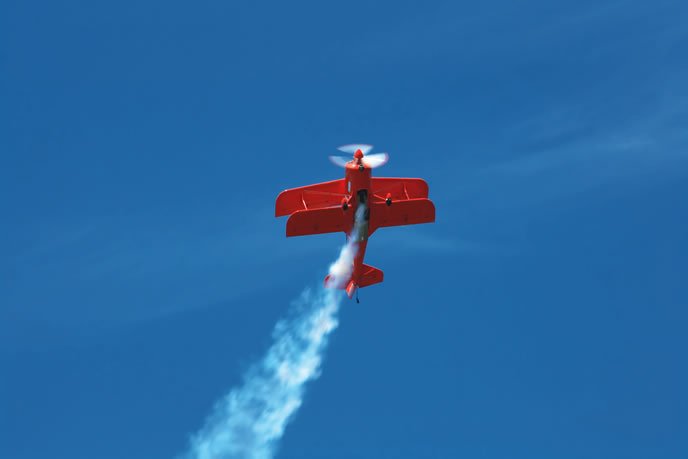
The FAA warns us of hazardous attitudes, but it can be difficult to modulate our enthusiasm when the aviation videos and performances we aspire to replicate make advanced flying look easy. We respect aviators, like Bob Hoover, not for their timidity but for their boldness and demonstrated mastery of the art of flying. But how do they do it? How do the pilots we respect balance thrill-seeking with the payoff of doing what they do safely?

Read More »

Saving The MU-2

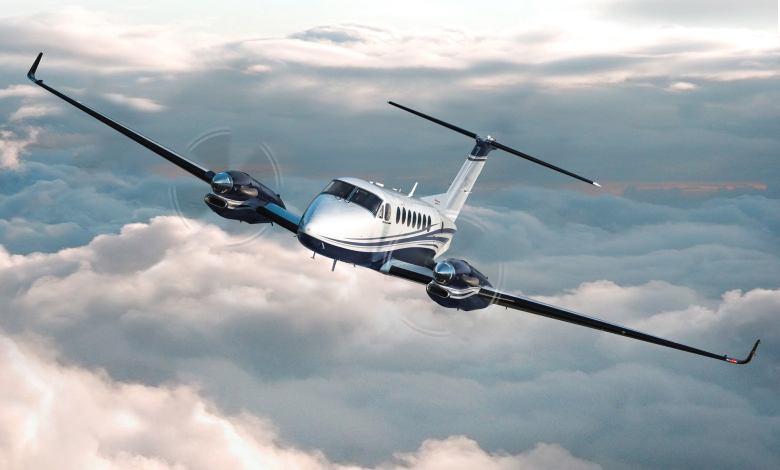
On September 30, 2005, then-Director of FAAs Flight Standards Service, Jim Ballough, noted in a letter to the types owners/operators, and to maintenance technicians, the MU-2 series airplane has been involved in 11 accidents over the past 18 months, with a total of 12 fatalities. The letter announced the agency urgently was undertaking an in-depth safety evaluation and added, performance expectations and control techniques common in other turboprop twins do not necessarily transfer to flying the MU-2. Balloughs letter acknowledged the widespread perception that the airplane had a problem, thanks to its wing design and use of spoilers for roll control, which had been building for years.

Read More »

How Fast?

two and three rectangular bars symmetrically arranged in pairs about the runway centerline.” (Runways with touchdown zone markings on both ends omit them when they’d be within 900 feet (270m) of the midpoint between the thresholds.)”

Read More »

Highlights Of The FAAs Proposal

Minimums/MaximumsSmall unmanned aircraft systems (sUAS) must weigh less than 55 lbs. (25 kg).Maximum airspeed of 100 mph (87 knots), maximum altitude of 500 feet agl.Minimum weather visibility of three miles from control station.

Read More »

Pilot-Related

While it would be foolhardy to attempt a challenging back-country landing if your only recent experience involves shooting ILSes, the same cannot be said for low-level maneuvering: Its always a bad idea. In fact, low-level maneuvering, according to AOPA Air Safety Institutes 23rd Joseph T. Nall Report, a regular look-see at general aviation accidents, is one of the two leading causes of pilot-related fatalities.

Read More »

The Non-Type-Rating-Rating Alternative

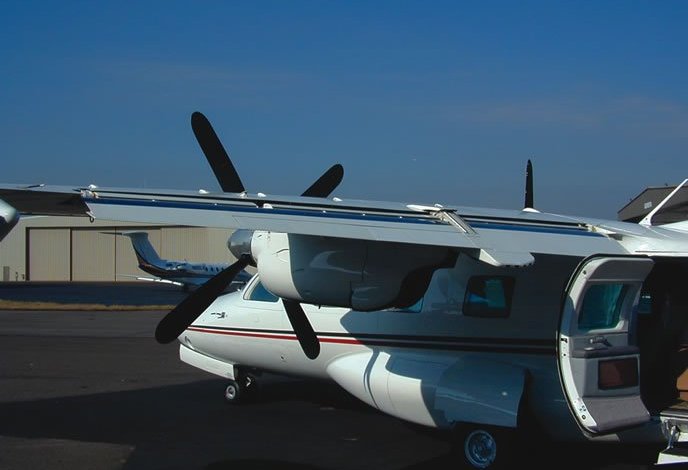
Consider what it takes for the FAA to deem one aircraft type so, well, finicky, for lack of a better word, that it warrants its own special federal aviation regulation setting out specific training requirements for its pilots. Part of the answer is reflected in the image above, of an MU-2s upper wing surface. Note the multiple-slotted Fowler flap. One can just make out the spoiler used for roll control.

Read More »
Pilot in aircraft
Sign-up for newsletters & special offers!

Get the latest stories & special offers delivered directly to your inbox.

SUBSCRIBE