













Register

Crossed Up

Traffic patterns arent that hard: Fly a rectangle. One side is the downwind; one side has the final approach and departure paths. Simple, right? Not really. One of the problems is all those turns we have to make align the airplane with the runway or the downwind. And some of those turns are close to the ground, at relatively low speeds and are poorly executed. Sadly, the results of steep turns to final-especially when overshooting the runways extended centerline-can be fatal.

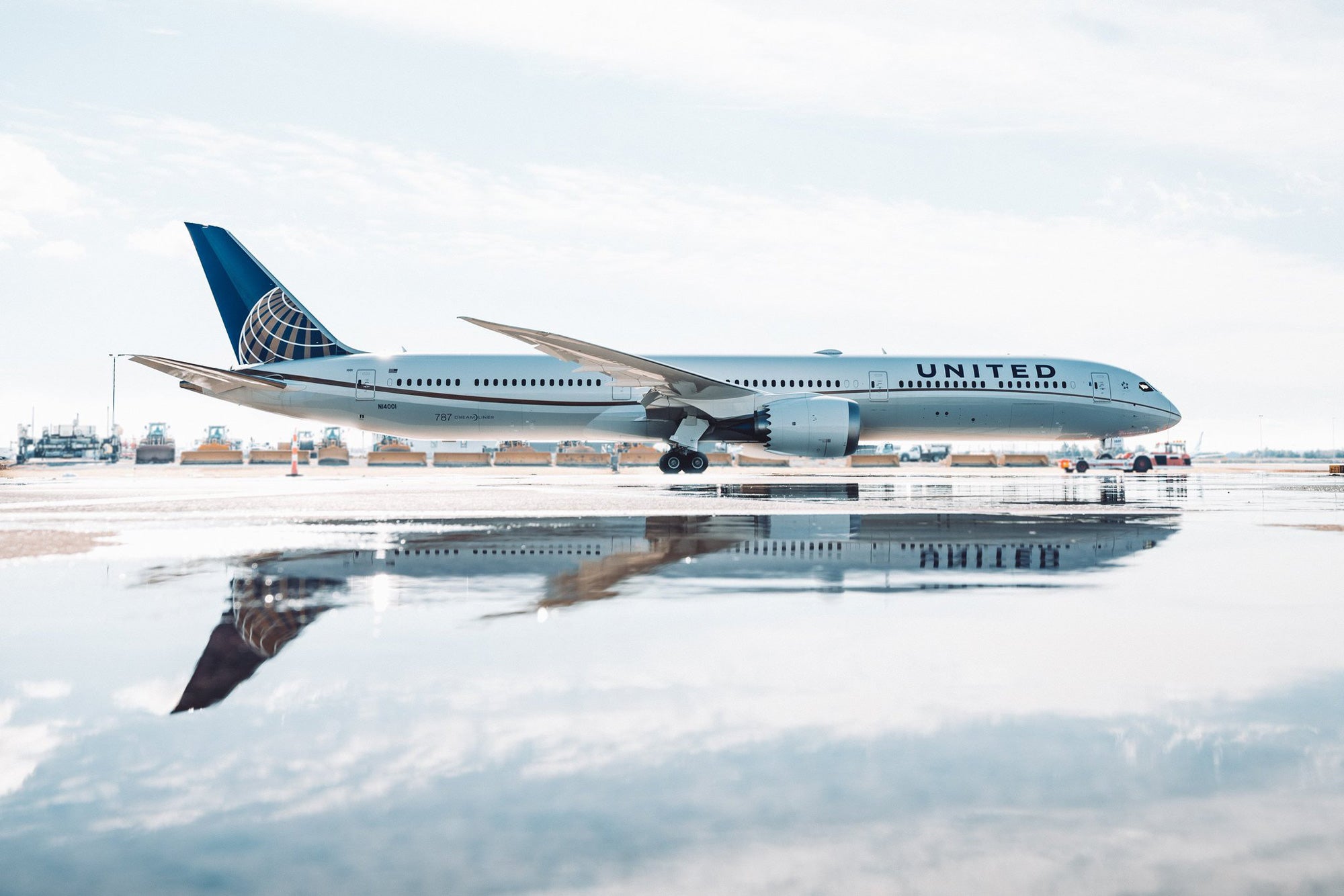
United’s Aviate program will deliver the inside scoop on future employment to EAA Young Eagles. United Airlines
Gemini Sparkle

Key Takeaways:

  • Steep turns to final approach, often caused by overshooting the runway centerline due to poor planning or strong winds, significantly increase the risk of fatal cross-controlled stalls, especially at low altitudes.
  • A cross-controlled stall occurs when a pilot overbanks and then applies opposite aileron to counter while maintaining rudder in the direction of the bank, leading to a rapid and often unrecoverable loss of control close to the ground.
  • Prevention requires proactive pattern planning, such as widening the downwind leg or making a continuous turn to final, to avoid the need for steep banks, particularly when high groundspeed or winds are pushing the aircraft toward the runway. Going around is the safest option if the approach cannot be stabilized.
See a mistake? Contact us.

Traffic patterns aren’t that hard: Fly a rectangle. One side is the downwind; one side has the final approach and departure paths. Simple, right? Not really. One of the problems is all those turns we have to make align the airplane with the runway or the downwind. And some of those turns are close to the ground, at relatively low speeds and are poorly executed. Sadly, the results of steep turns to final—especially when overshooting the runway’s extended centerline—can be fatal.

That’s the classic set-up for a cross-controlled stall, one in which the airplane is overbanked and the pilot then adds opposite aileron to counter while maintaining rudder in the direction of the bank. Since they can happen quickly, stall warning systems and the wing’s natural burble may not give adequate notice of what’s about to happen. At altitude, cross-controlled stalls are easily recovered, but there often isn’t enough air under us to pull it off in the pattern. So the idea is to prevent them.


Ready to Sell Your Aircraft?

List your airplane on AircraftForSale.com and reach qualified buyers.

List Your Aircraft
AircraftForSale Logo | FLYING Logo
Pilot in aircraft
Sign-up for newsletters & special offers!

Get the latest stories & special offers delivered directly to your inbox.

SUBSCRIBE