













Register

The Last 400 Feet

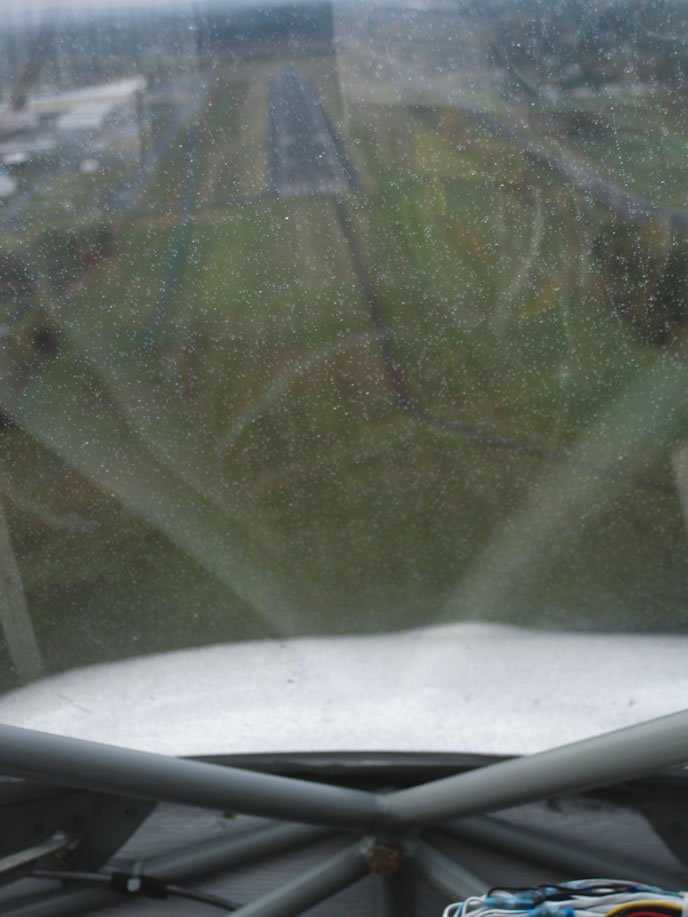
In many conversations with instrument instructors, Ive noted a common concern about the way many pilots conclude practice precision approaches (ILS or GPS LPV) under the hood: They do a great job of keeping the needles near the center as decision altitude nears; airspeed, descent rate and heading all would be appropriate. But when the hood came off at DA and the pilot spotted the runway, it was Katie bar the door. What happened next can be summarized as a whirlwind of activity in the left seat as the power was yanked back, flap deflection increased and a dive for the runway threshold commenced. It was as if there were some sort of prize for landing short.

Gemini Sparkle

Key Takeaways:

  • Many pilots develop a dangerous habit during practice precision approaches: abruptly "diving for the runway" and making drastic power/configuration changes immediately after breaking visual, rather than maintaining the established glideslope.
  • This premature visual maneuver is perilous in actual low-visibility conditions, often leading to crashes short of the runway or loss of control due to disregard of vital instrument guidance.
  • Pilots should cultivate patience, maintaining their stable approach configuration and glideslope until well over the approach lights or even the runway threshold before initiating landing-specific changes, as ample runway length exists for a safe landing without rushing.
See a mistake? Contact us.

In many conversations with instrument instructors, I’ve noted a common concern about the way many pilots conclude practice precision approaches (ILS or GPS LPV) under the “hood”: They do a great job of keeping the needles near the center as decision altitude nears; airspeed, descent rate and heading all would be appropriate. But when the hood came off at DA and the pilot spotted the runway, it was Katie bar the door. What happened next can be summarized as a whirlwind of activity in the left seat as the power was yanked back, flap deflection increased and a dive for the runway threshold commenced. It was as if there were some sort of prize for landing short.

None of this made sense to the CFIs. The airplane had been nicely established on the localizer and glideslope and—just because the pilot thought he or she could see the runway—it was suddenly time to make all sorts of speed and configuration changes, despite not yet reaching the approach lights, with plenty of runway ahead.


Ready to Sell Your Aircraft?

List your airplane on AircraftForSale.com and reach qualified buyers.

List Your Aircraft
AircraftForSale Logo | FLYING Logo
Pilot in aircraft
Sign-up for newsletters & special offers!

Get the latest stories & special offers delivered directly to your inbox.

SUBSCRIBE