Aviation Safety

Misconfigured

Weve all performed a go-around at one point or another, certainly in training. Many of them are begun at some altitude close to the runway, when it becomes obvious a go-around is preferable to rolling off the end of the runway. In most of the airplanes we fly, going around can be a relatively simple matter. It is, however, a high-workload maneuver and can require some finesse.

Read More »

My Worst Landing

Pilots generally remember their landings, sometimes for years. They come in two basic flavors: best ones and worst ones. Everything else tends to fall into a memory-based black hole. My best ones are too numerous to mention, naturally, but my worst ones stick around in my memory like poor weather at the beach. One bad landing in particular stands out.

Read More »

Upcoming

Its that time again: On September 30, the FAAs existing Congressional mandate will expire, and with it the authority to spend money to do what it does. This is the tail-end of a three-year bill passed in 2012. But dont get excited; the FAA isnt going out of existence in September. Instead-and probably around the time you read this-the new Congress will crank up its policy apparatus with a goal of finaliziing a bill right about the time EAAs AirVenture 2015 kicks off. It promises to be an interesting year.

Read More »

Antennas

This VHF comm antenna was squawked for fluttering. Inspection revealed antenna was installed with no supporting doubler. Upon removal, a 5.5-inch radial crack was discovered around the antenna base, with a crack in an adjacent stringer. Skin under antenna also corroded due to no sealant being applied to base during installation.Part Total Time: Unknown

Read More »

Zero-Zero Departures

I read Zero-Zero Departures in your December 2014 issue with great interest. Like the author, I have heard over the years many of the same comments about zero-zero departures. They are risky, stupid, crazy, a death-wish, etc. While most of these comments largely are overstatement, unlike the author, I do agree with the naysayers: A zero-zero departure is riskier than a missed approach. The risk is in the first 200 feet the author with a wave of his pen dismisses.

Read More »

Bites At The Apple

Every now and then, we come across an accident report that makes us wonder what we would have done differently, and when. Usually, the answer is fairly clear-cut: Do exactly the opposite of what the accident pilot did. Sometimes, though, its not nearly so clear-cut, and we find ourselves wondering if we had been in the left seat, would we have done as well.

Read More »

Making The Low-Vis Takeoff

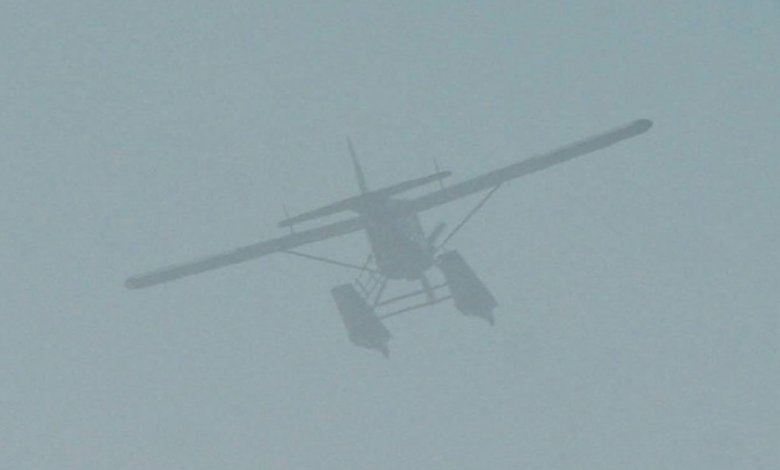
General aviation pilots make IFR takeoffs in reduced visibility and low ceilings on a daily basis. We line up, launch, establish a climb, transition to the gauges and press on with the flight. Assuming there is an approach with adequate minimums at home plate or a nearby airport, were confident we can return and land within about 10 minutes should something go sour. If were in a single and the engine decides to take the day off, our ability to pick out a good landing site is minimal but, hey, thats IFR flight any time the weather is down.

Read More »

Tools You Can Use?

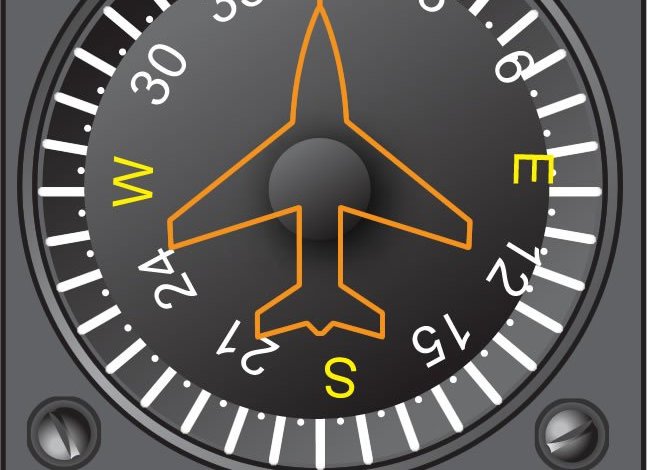
So, youve decided the risk is worth it and youre going to execute a zero-zero or low-visibility takeoff. Youve thoroughly prepped the airplane, the cockpit and yourself for the operation, youve practiced it, you have a solid-gold takeoff alternate only a few miles away, with an ILS above minimums, and youre ready. One problem: The weather is so bad, you cant see more than one or two of the runway stripes at a time. Is that enough to help ensure directional control on the takeoff roll? Probably not.

Read More »
Pilot in aircraft
Sign-up for newsletters & special offers!

Get the latest stories & special offers delivered directly to your inbox.

SUBSCRIBE