Aviation Safety

VFR Pop-ups

While this article is primarily focused on popping up on a controllers radar screen to request an IFR clearance, VFR pilots also can find themselves suddenly needing to be in the ATC system. Reasons can include an in-flight emergency, an inadvertent encounter with poor weather, to request VFR flight following or to enter certain airspace. As with anything involving aviation-and especially when considering ATC-theres a right and a wrong way to do it.

Read More »

Surviving Inadvertent IMC

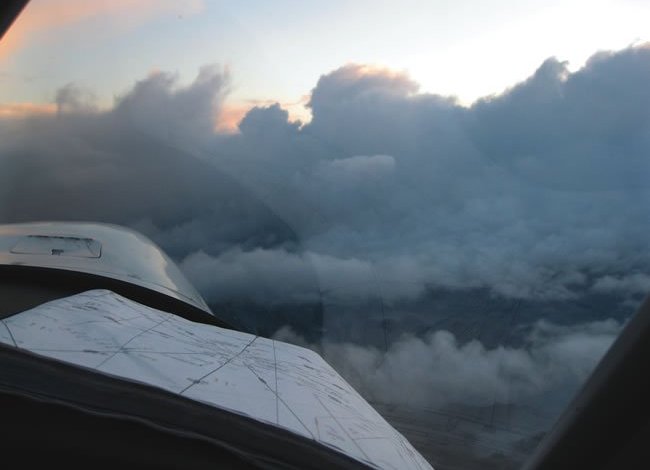
AOPAs Air Safety Institute tells us half of all crashes attributed to attempted visual flight into instrument conditions involve instrument-rated pilots. You can survive, however, if you have a plan. If, despite your best efforts, you blunder into instrument meteorological conditions (IMC) while attempting to remain VFR until you pick up your IFR clearance, use the following to get out of the situation:

Read More »

Popping Up

Youre departing on an IFR trip in a well-equipped aircraft with two passengers aboard. When you call for your clearance, ATC cannot immediately find your flight plan-you get the oft-dreaded clearance on request response. After completing all your pre-taxi checklists and entering what you expect will be your route into the GPS, youre still sitting on the ramp with the engines turning, waiting. Eventually clearance delivery returns and says they cannot find your flight plan. Take a moment, and look at the pop-up pop quiz questions in the sidebar on the opposite page. What is your most likely response if you actually found yourself in this same scenario, given the information you have so far?Lets add some additional details to this scenario. For one, the airport youre trying to depart is a busy, tower-controlled facility in Class C airspace, and under an inner ring of a very busy Class B area. To get to your destination, youll head southwest, away from the Class B airport. But youre still sitting on the ramp, with the engine running, waiting on ATC to get its act together. Does this change your response to the quiz? But wait, theres more. The weather is marginal VFR, thanks mainly to low ceilings (1000 to 3000 feet agl). Visibility is greater than five sm. Take the pop quiz again. Has your answer changed? Oh, did I mention that this is at night? Does that change your answer again?These kind of questions are standard fare for instrument pilots, and many conducting VFR-only operations in or near certain airspace. And while missing flight plans arent the norm, their not at all unusual, either.


Read More »

Flying in Europe

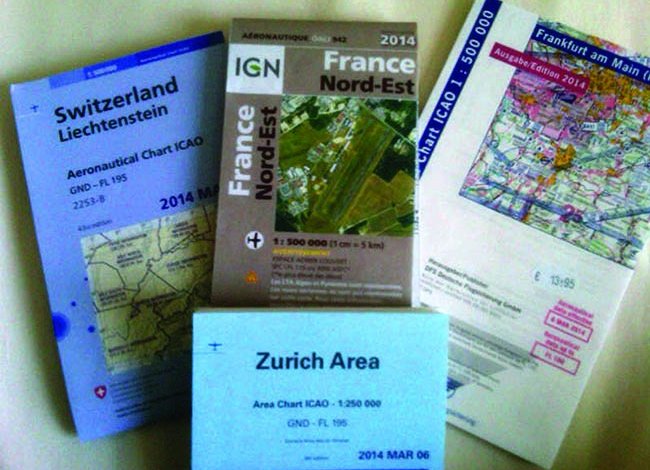
I quickly found there are at least three ways visiting U.S. pilots can access general aviation aircraft in Europe. The main ways are through aero clubs and conventional rental arrangements. The latter includes both pilot training organizations and organizations analgous to small fixed base operators (FBOs) in the U.S.

Read More »

Top Five General Aviation Fatal Accident Causes In Europe And The U.S.

With all the hazards I described in the main body of this article, you might expect that GA operations on Europe are less safe than in the U.S. Im not sure how they fully stack up side by side, since exposure data for European GA flying is even sketchier than in the U.S. In addition, I found that EASA categorizes accidents somewhat differently than in the U.S. However, we can make some rough comparisons using published analyses. For this purpose I used the EASA Annual Safety Review for 2013, covering data from 2009-2013. I also reviewed data from the U.S. General Aviation Joint Steering Committee (GAJSC), a joint FAA/industry team, for the period 2001-2010.

Read More »

GA Safety In Europe

General aviation flight operations in Europe often are radically different from those in the United States, yet GA pilots across the pond face some of the same safety issues confronting pilots in the U.S. Meanwhile, European GA pilots and operators also must battle safety issues unique to Europe, including uneven infrastructure and high operating costs, which can limit training and proficiency flying. As a result, comparing GA in Europe to its counterpart in the U.S. offers some risk management lessons for pilots who are increasingly facing similar challenges, no matter their geographic location.

Read More »

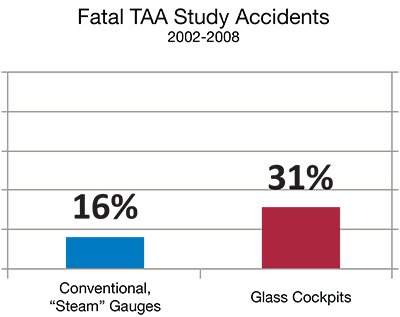
Werent TAAs Supposed To Improve Things?

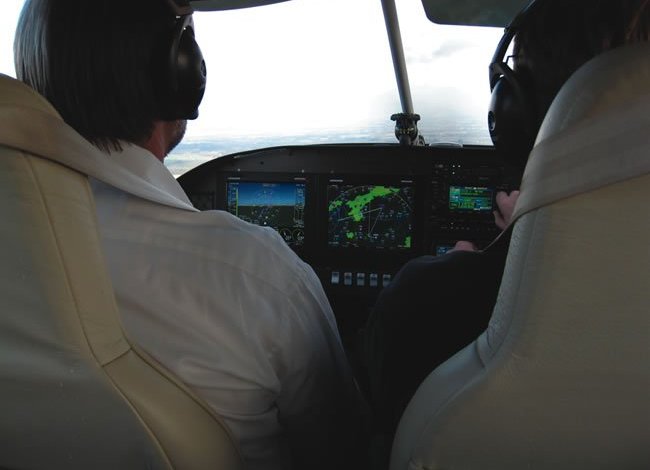
On November 8, 2014, the NTSB presented the fifth in a series of safety seminars focused on U.S. general aviation accidents. This event highlighted knowledge gained from NTSB accident investigations involving technically advanced aircraft (TAAs) and explored current government and industry efforts to prevent them, and the resources available to the pilot community.According to the NTSB, In recent years, the cockpits of many general aviation aircraft have undergone a transition from conventional analog flight instruments…

Read More »

Do Ya Feel Lucky?

According to the FAA, flight training has changed very little since the dawn of regulated aviation. In fact, a private pilot trained to standards outlined in the Civil Aeronautics Regulations, circa the 1940s, would likely do quite well in most operations required by todays practical test. This is because many of the basic skills needed to pilot an aircraft have changed very little. However, the development of new technologies and a rapidly evolving airspace system have outpaced current training methods. Moreover, the FAA and the flight training community now have over a centurys worth of experience upon which to draw when determining how best to train pilots. While the military and airline communities have leveraged this experience, the general aviation community has been slow to make use of the lessons learned.

Read More »

On A Mission: A Status Report

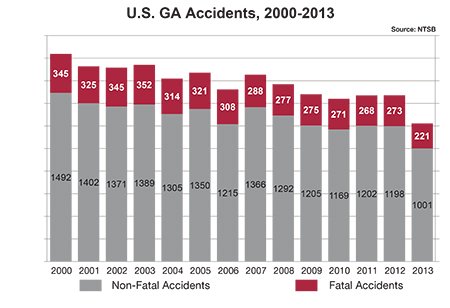
Its easy to fall into the trap of debating whether the U.S. general aviation accident rate is too high. Of course it is-all accidents are preventable by simply grounding the fleet. Somewhere between zero and what we have today-preferably on the lower end-is where we all would like to be. Were not even close to getting there, though, and rates arent coming down the way we would like.

Read More »

Making Your Own Luck

One of this magazines missions is to help reduce general aviations accident rates. Ideally, there would be no fatalities. We want to see an end to poverty and war, too, but were not holding our breath on either. In the world of aircraft, a mechanical world, things are still going to break and pilots are going to have to respond quickly, thoughtfully, and appropriately in order to make aircraft accident fatalities go away. Sometimes they may have to augment that skill with luck, too.

Read More »
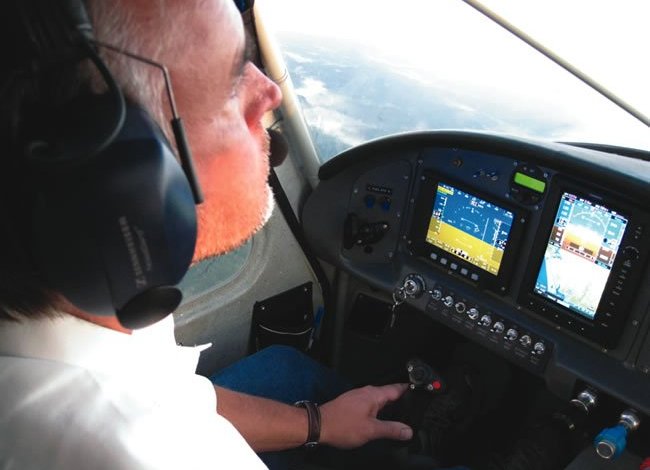
Pilot in aircraft
Sign-up for newsletters & special offers!

Get the latest stories & special offers delivered directly to your inbox.

SUBSCRIBE