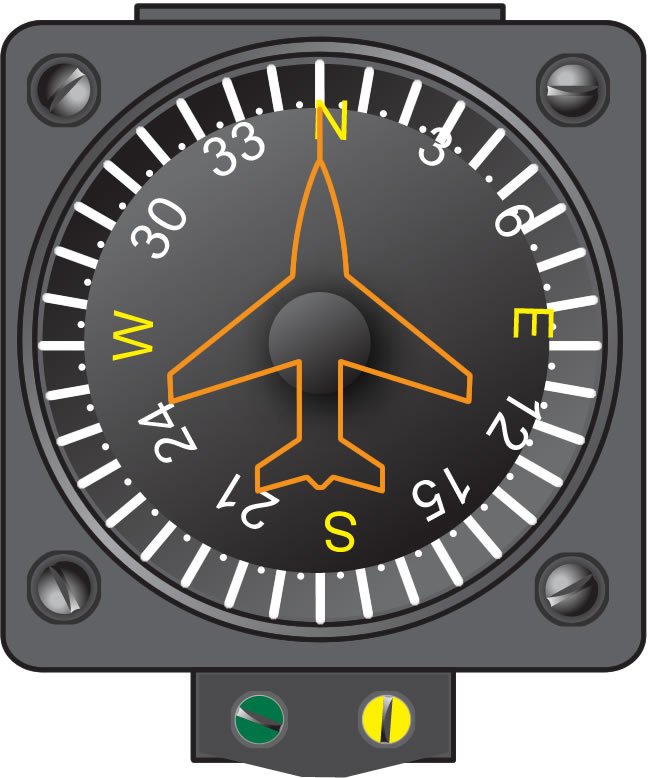
So, youve decided the risk is worth it and youre going to execute a zero-zero or low-visibility takeoff. Youve thoroughly prepped the airplane, the cockpit and yourself for the operation, youve practiced it, you have a solid-gold takeoff alternate only a few miles away, with an ILS above minimums, and youre ready. One problem: The weather is so bad, you cant see more than one or two of the runway stripes at a time. Is that enough to help ensure directional control on the takeoff roll? Probably not.
So, youve decided the risk is worth it and youre going to execute a zero-zero or low-visibility takeoff. Youve thoroughly prepped the airplane, the cockpit and yourself for the operation, youve practiced it, you have a solid-gold takeoff alternate only a few miles away, with an ILS above minimums, and youre ready.
CREATE A FREE ACCOUNT
Sign up to keep reading
Create a free account to continue. Already a member? Sign in below.