Instrument Flying

Filing Direct?

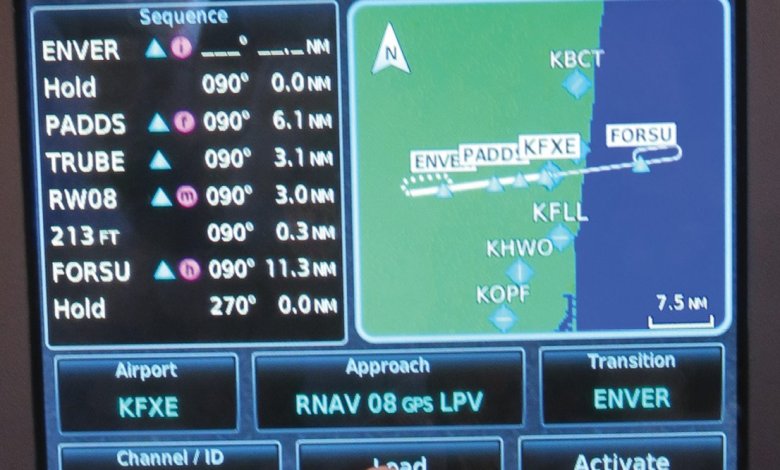
Since Eric is a working controller, I respect his advice. I was a little surprised when he stated that filing direct grinds controllers gears. With GPS capability, filing direct has saved me a lot of time and money. It was never realized that doing so was creating a problem for anyone. It was not done as a sign of laziness or to engage in a bad practice, but to get in and out of the ATC system as quickly and efficiently as possible.

Read More »

Over-Water Risks

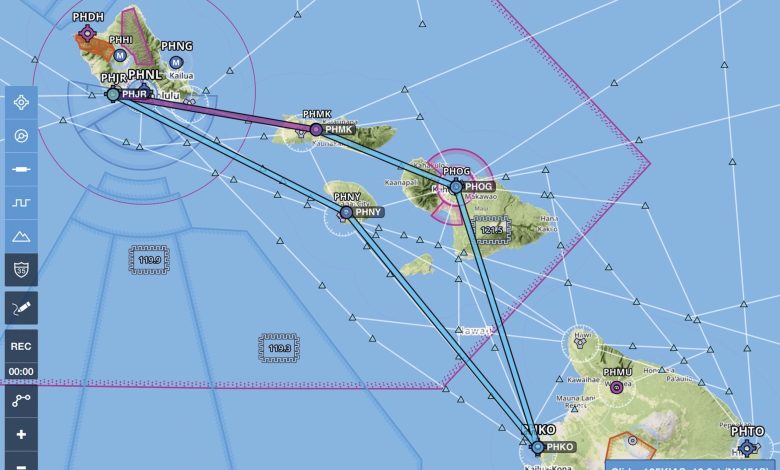
Its an aviation clich that your single engine goes into automatic rough when crossing any significant body of water. To be sure, any engine problem while beyond gliding distance from land is a critical problem, even if you have more than one. When flying a single, its everything. Another clich is that most of us dont bother to analyze the real risks of overwater flying. Any water crossing of any significance-and wed put the Great Lakes, Hawaii and Bahamas in that basket-should be carefully planned to ensure risks are mitigated to acceptable levels. The thing is, both clichs are true more often than not.

Read More »

Brave New World

Toward the back of the magazine youre holding in your hand, in our Quick Turns department, theres a news item about the FAA formally transitioning to the ICAO-standard/international flight plan form for all domestic non-military operations. If youve been paying attention over the last few years, as we have, youll be happy to know a process that has seen several earlier deadlines come and go seems to have finally staggered across the finish line. As of August 27, the international flight plan form is the law of the land, so to speak.

Read More »

NTSB Reports

During the landing roll, three deer ran from right to left across the runway. The pilot felt a hard strike on the inboard section of the right wing, observed a deer roll over the right wing and felt a sensation of the right landing gear running over a second deer. Although the airplane sustained substantial damage to its right wing, the pilot was able to maintain control and taxied to the ramp without further incident. The pilot and passenger had to egress through the rear baggage door due to damage to the cabin door.

Read More »

#OSH19

Once again, the Experimental Aircraft Association in July pulled off another great AirVenture fly-in at its home in Oshkosh, Wis. This years event had a little of everything, including torrential rain the Friday evening before Mondays opening day, nighttime air shows and lots of airplanes of every shape, size and purpose. Perhaps because the pre-show rain knocked everyone off-kilter-followed by mid-week heat-the overall event seemed to need more cowbell, but it definitely was worthwhile checking out all the new stuff and checking in with long-time friends.

Read More »

Managing Risk In Aircraft Certification

Most of my articles for this journal focus on managing the risk of flying piston-powered general aviation aircraft, with examples of good and poor risk management. But risk management is at least equally critical in the world of operating airliners and turbine-powered transport category aircraft. Recent air carrier accidents provide illustration and lessons relevant to operating small general aviation aircraft, especially when designing and certifying them. In fact, and just as during flight operations, the job of managing risk in the design and certification is to identify, assess and mitigate that risk. These procedures apply even more objectively when using rigid design criteria, especially when they involve transport category aircraft.

Read More »

Airborne Hot Spots

The FAA defines a hot spot as a location on an airport movement area that demands heightened attention by pilots and vehicle operators due to the history of potential collision or runway incursion. Knowing where any hot spots are at the airports you intend to use arms you with useful risk management information. Meanwhile, the FAA has gone sort of nuts with the airport hot spot concept. Dont believe me? Check out the airport diagram for Addison Airport (KADS) in Dallas, Texas, below. Every taxiway intersection east of the runway is a hot spot.

Read More »

NTSB Reports

After a low pass over the field, the pilot returned to land. On final approach, he was blinded by [the] sun and the tailwheel hit vines growing near the airstrip, causing the airplane to stall. The left wing, left main landing gear and propeller were damaged during the hard landing. According to the NTSB, [b]ecause the pilot did not hold a current pilot certificate, nor did he meet the medical certification requirements, he was not legally authorized to act as pilot-in-command of the airplane at the time of the accident.

Read More »

Other Airplanes

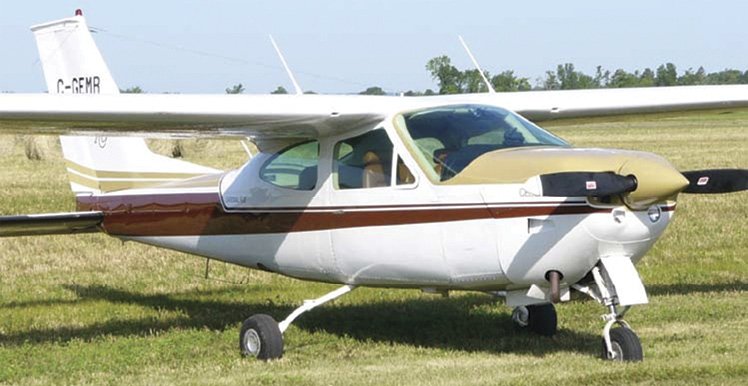
For example, a large flying club I was in a few years back had a pair of Cessna Cardinal RGs. They were getting a bit long in the tooth, but were roomy and relatively fast, and they were good cross-country airplanes. They also were configured basically the same, with two nav/comms but little else: no autopilot, for example, GPS or DME. After getting to know them both, I came to prefer the blue-and-white one over the orange version, since it was a bit younger and cleaner. Neither let me down, but one was sold to someone outside the club and, shortly thereafter, another pilot landed the remaining Cardinal RG gear-up.

Read More »

Five Reasons Not To Fly A Coupled Approach

And like every other technology, autopilots have their limitations. For one, they have to be set up correctly-along with the navigation equipment-to reliably follow a heading and descend along a glidepath. Details like when to take over from the autopilot, how you might handle an equipment failure-if you notice it-and even whether to let Otto fly the missed approach or do it yourself need to be worked out ahead of time. Thats the short version of why we might want to consider hand-flying the approach. Lets expand on them.

Read More »
Pilot in aircraft
Sign-up for newsletters & special offers!

Get the latest stories & special offers delivered directly to your inbox.

SUBSCRIBE