Instrument Flying

Is ADS-B In Helping?

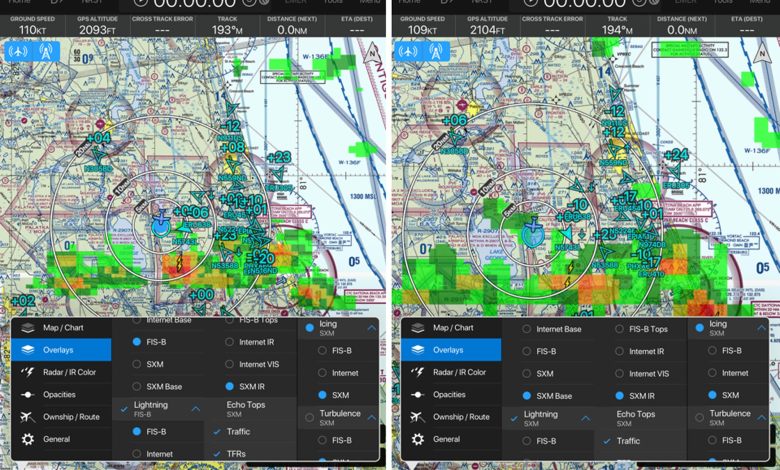
There probably are few pilots in the U.S. who arent aware of ADS-B and its In and Out flavors. The traffic and weather services ADS-B In brings to the cockpit have proven popular and inexpensive, portable receivers used with consumer-grade tablet computers have proliferated along with panel-installed equipment to bring enhanced situational awareness to even the lowliest cockpit. Yes, the data and information available through ADS-B In is for advisory purposes only-it cant be used in lieu of airborne radar or collision-avoidance equipment required by operating rules.

Read More »

Buddy System

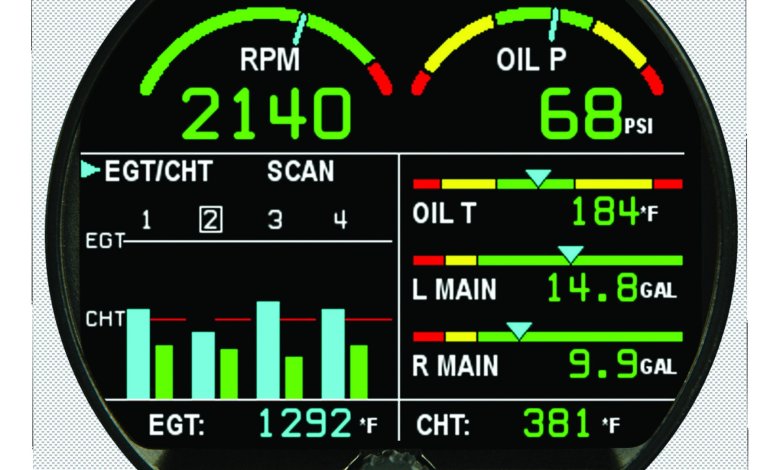
Normally, I might have panicked, but with my experienced copilot at my side, I stayed calm. We talked through our options and decisions along as I continued to fly the plane. I began a series of small adjustments to the throttle and mixture to see how the engine responded. We quickly discovered these changes only made matters worse, so we left the settings as is. My buddy reminded me to stay high-altitude is our friend-and we looked for landing spots in case things deteriorated.

Read More »

NTSB Reports

Radar data depicted the airplane flying northerly until about 1138, when it initiated a right turn to the south at about 400 feet msl. Witnesses then saw the airplane turn right to a westerly or northwesterly direction over land while radar depicted the airplane descending to about 200 feet msl. The airplane banked sharply left, and one witness observed the banner twist and separate. The airplane then banked to the right and impacted a 19-story condominium near its top floor. The airplane fell to the second floor deck and came to rest on its left side. Witnesses described the engine sound as either sputtering, operating normally or being at a low throttle setting.

Read More »

Cockpit Stress

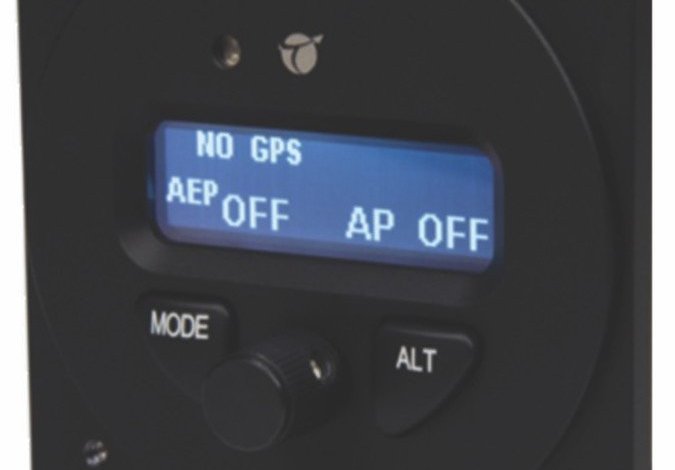
Knowing of the low overcast, if that pilots autopilot had this auto-capture feature, his motivation would have been to ease his workload and obviate spatial disorientation during transition into the clag. The effect of his action would have been to capture the airport elevation as target altitude. The TruTrak, at least, takes a few seconds to process and implement settings, so that the airplane would be expected to do exactly what it did: ascend into the clouds and a few seconds later return to the preset target altitude of the runway.

Read More »

Common Threads In Weather Accidents

In my view, there are four basic categories of aviation weather threats: low clouds and reduced visibility; turbulence and low-level wind shear; airframe ice; and thunderstorms (which may contain the three other hazards in one nasty package). When evaluating weather for a planned flight, I look at observations and forecasts with each of these specific hazards in mind: what is are the chances Ill encounter each threat and how bad will each be? How close to (or beyond) the limitations of the regulations, my capabilities and the airplanes performance would I be if I attempt the flight?

Read More »

Autopilots

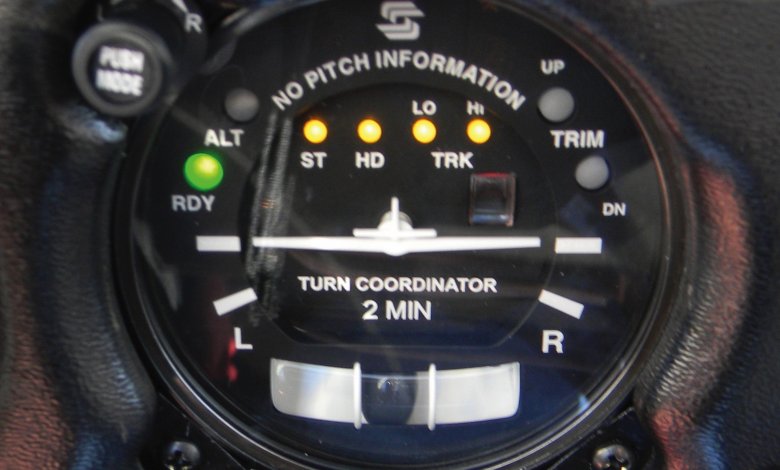
While in IFR cruise at 4000 feet, the pilot observed the flight director command bars move out of view as the airplane started a gradual descent. When the pilot corrected, the electric trim started to run nose down and the aircrafts descent rate increased. The pilot attempted to disconnect the autopilot and trim with the control switches and the red disconnect switch. None of this had any effect. With the turbulence and conditions, the pilot was unable to reach the autopilot and electric trim circuit breakers. After all other remedial procedures had failed, he shut off the avionics master switch at about 1000 feet and recovered the airplane at about 500 feet.

Read More »

Ag Pilots

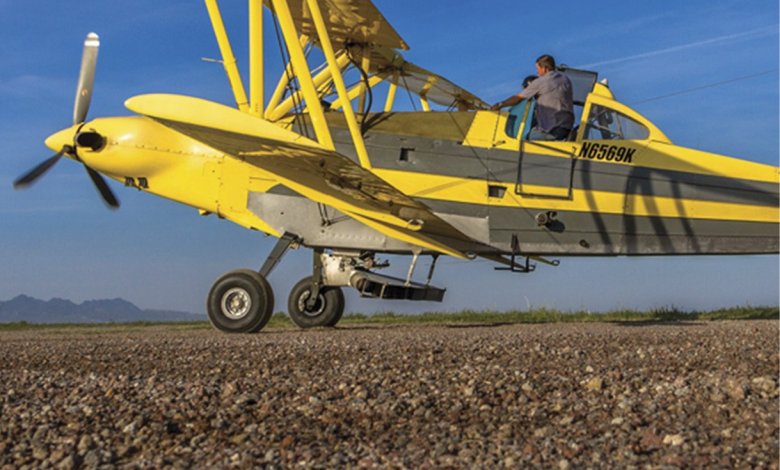
The old stereotype of crop dusters-excuse me, aerial applicators-is that they are scofflaw daredevils, perhaps with behavior issues. That caricature is a relic of the past, when an enterprising farmer would buy a $300 war-surplus Stearman, put a hopper in the front cockpit and fly the plane hard until it broke. It follows that some might think ag pilots are an unlikely source of safety wisdom, and have fallen far behind aviations cutting-edge technology, but the truth is quite different.

Read More »

Engine-Failure Risks

It fascinates me that many GA pilots of single-engine airplanes cruise at such low altitudes. Theyre apparently oblivious to the fact that they are flying behind a single engine and if it fails you are on short final to somewhere! Extra altitude not only increases your radius of action, it also adds extra time for trouble shooting (which might eliminate the initial problem altogether) and increases the probability that a Mayday call might be heard. The side benefits include greater aircraft efficiency, cooler temperatures in the summer and possibly a smoother ride, in addition to less-congested airspace. Those long, low, flat, power-on final approaches can put you in the trees if your engine even coughs on short final. Keep a little energy in the bank and make it SOP to shoot for a reasonable aiming point on the runway.

Read More »

Lack Of Peer Pressure

When I was a student pilot, I was lucky to have some grizzled mentors. There were a lot of do this and dont do that admonitions, a lot of tips regarding shortcuts and rules of thumb, plus some sage advice about decision-making. A lot of that advice could be broken down into the old Its better to be on the ground wishing you in the air than to be in the air wishing you were on the ground genre, but it was often accompanied by a Let me tell you what I learned the hard way kind of introduction.

Read More »
Pilot in aircraft
Sign-up for newsletters & special offers!

Get the latest stories & special offers delivered directly to your inbox.

SUBSCRIBE