Instrument Flying

Twelve Months

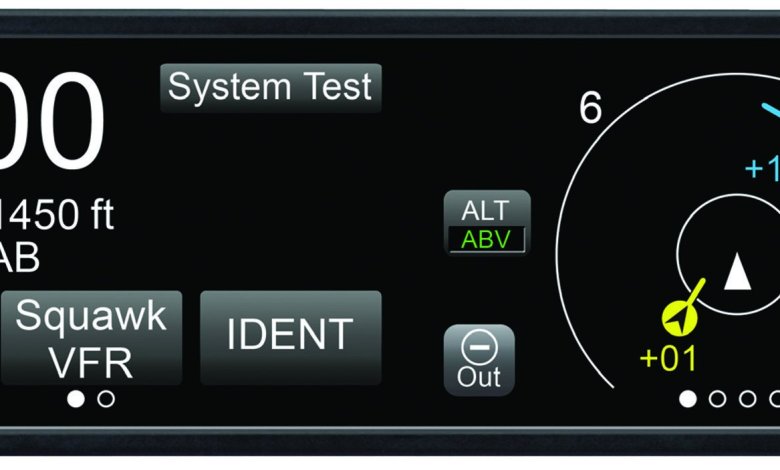
According to panelists at a recent Miami, Fla., conference geared to the business jet community and reported by Aviation International News (AIN), not all of the in-service fleet is expected to be compliant by the deadline. (Full disclosure: I often perform freelance work for AIN, for which I am compensated.) In fact, data cited by AIN show compliance is far from universal, with 17.5 percent of the piston-powered general aviation fleet (35,791 of 204,191) currently equipped.

Read More »

No Checklist For This

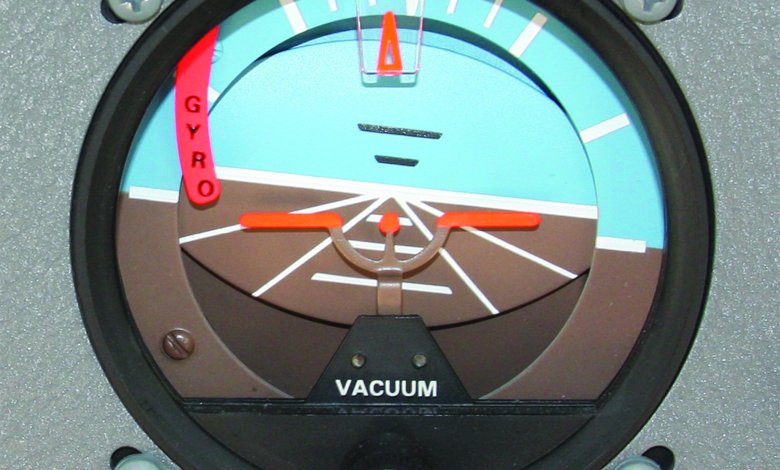
I was flying a 2002-model A36 Bonanza (yeah, with me its always a Bonanza) home to Wichita from Thanksgiving in Ohio with my wife and our son aboard. Somewhere over Indiana, the Bonanzas attitude indicator (AI) began to tumble. The failure announced itself slowly, but very soon the instrument was pitching up and down in very distracting oscillations. It then displayed a range of indications-from off-scale nose-up pitch excursions to slightly below 20 degrees nose-down-in a roughly two-second cycle, while indicating bank angles between wings-level and about 10 degrees left.

Read More »

Turbochargers

During descent, pilot noted oil streaking back from top engine cowl louvers, then dropping oil pressure. Pilot conducted precautionary shutdown and feathered propeller. Pilot continued descent and landed at destination without issue. Maintenance removed cowling and found oil appearing to come from the turbocharger (p/n 4066109025) area. Further investigation revealed oil bypassing the seals on the turbo.

Read More »

Assembling MOSAIC

By now, youve probably heard the news coming out of a recent AOPA Fly-In: The FAA is considering the idea of increasing the maximum takeoff weight limitation for wheel-equipped light sport aircraft (LSA) from 1320 lbs. to as much as 3600 lbs. On its face, this would allow a sport pilot with the appropriate endorsements to serve as pilot in command of, say, a Cirrus SR22 or an A36 Bonanza. Its one narrow focus of a broader initiative dubbed Modernization of Special Airworthiness Certificates, or MOSAIC, which may find its way into forthcoming FAA regulations.

Read More »

Truth In Icing

I received a call from the owner of a turbocharged, high-performance single who lives in the Great Lakes region, well-known for icing conditions in late autumn, winter and early spring. His airplane was equipped with an aftermarket TKS-style ice protection system and was not FAA-approved for flight in known icing (FIKI). The pilot wanted to discuss strategies for flight during the cold times of the year, including insights into conditions where icing layers are vertically thin and/or rates of ice accumulation are typically light (or even only a trace).

Read More »

Return Strategies

We were ready to take off from a nontowered airport into a 700-foot overcast ceiling. Through a remote communications outlet (RCO), Id received my IFR clearance with instructions to hold for release and call ATC when I was number one for takeoff. Taxiing out, I saw a Cessna Citation Mustang light jet at the hold line. I swung onto the run-up pad, knowing I had plenty of time because the Mustang pilot would be holding for his release, and I would not be permitted to depart until he was airborne and well away from the airport.

Read More »

Undoing An Upset

Lets start by dispensing with the obvious: Loss of control in flight is a lousy explanation, and not much better as a description. Eventually well come up with something better, which hopefully will reflect the myriad ways pilots can let aircraft get away from them. Spatial disorientation in IMC is as different from a moose stall as wake turbulence is from sloppily flown S-turns on final. At best, the ICAOs accident taxonomy-adopted by the FAA and NTSB, presumably in the name of harmonization-provides snapshots of how accident sequences end with negligible insight into what triggered them or how they developed. As a safety strategy, Dont lose control is about as useful as Dont let the engine quit.

Read More »

When To Go Visual

I had flown a full day with the new owner of a turbocharged Beech Bonanza, a recently retired airline pilot who also had been a U.S. Air Force tanker pilot. He was IFR proficient from the airline and wanted to focus on visual and hand-flying skills while orienting to his airplanes autopilot and avionics. He did a great job and got markedly more comfortable with the airplane as the day progressed. At the end of the day, I recommended he get more experience with the airplane before going IFR in it. We shook hands and I went to my office to complete my paperwork.

Read More »

Landsberg Becomes NTSB Vice-Chairman

From the military to his long tenure at the AOPA Air Safety Institute, Bruce Landsberg has a long and respected career in aviation safety, years of experience that will serve him well at the NTSB, said AOPA President Mark Baker. We thank the White House for nominating him and the Senate for its confirmation vote. General aviation is safer than ever, and we look forward to working with him and the NTSB to keep improving and giving pilots the resources and training they need to fly safer.

Read More »
Pilot in aircraft
Sign-up for newsletters & special offers!

Get the latest stories & special offers delivered directly to your inbox.

SUBSCRIBE