Instrument Flying

Pattern Entry Guidance

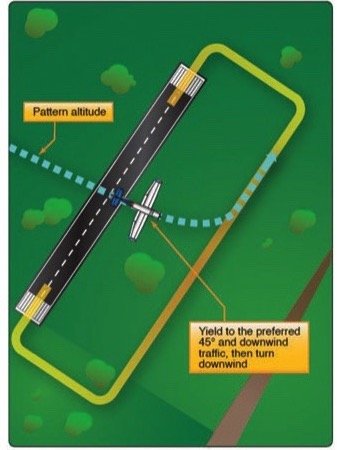
The right-hand diagram on page 32 (July 2018) depicting an alternate midfield entry when approaching from the side opposite the traffic pattern was (and I believe still is) the standard approach taught across Canada when I began flying over 50 years ago. When approaching from the same side of the traffic pattern, we were taught to enter downwind parallel to, slightly wider and slightly further upwind than usual, rather than the 45-degree entry in the U.S. The preferred entry (left-hand diagram) involves a short period where you are blind to everything that may be happening in the pattern and thus may pose unnecessary risk.

Read More »

IMC Emergencies

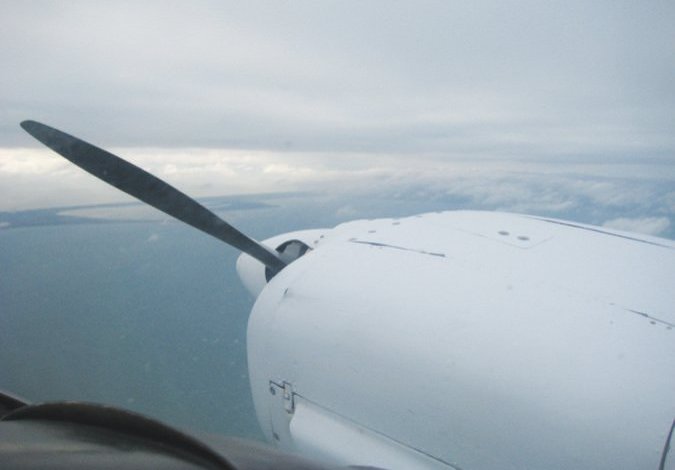
We were in IMC at 4000 feet, on a vector for the VOR-A approach at the Wichita, Kan., Colonel James Jabara Airport. The airplane was an A36 Bonanza and I was in the instructors seat on the last approach of a day-long training session. This was in the era before GPS, long before iPads and moving-map handhelds, and the owner of this then-well-equipped 36 had ignored the short-lived Loran phase. So we were eastbound on a long downwind, and crabbing into a northerly wind before intercepting the westbound final approach course before circling to Jabaras north/south runway.

Read More »

NTSB Reports

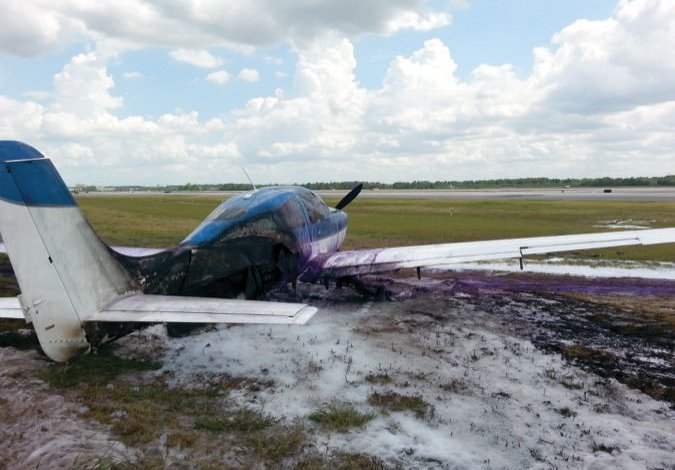
The pilot later stated he selected the landing gear handle to the down position, but the main landing gear did not lock in the extended position. He then selected the landing gear handle up, but the landing gear did not retract. After maneuvering away from the airport, an attempt to pump down the gear with the emergency hand pump was unsuccessful. An airframe-mounted mirror indicated the left landing gear was down. During the landing, the right main landing gear collapsed and the airplane veered to the right and departed the runway surface, coming to rest on the parallel taxiway.

Read More »

Losing Control Is Easy

It was a warm, blustery late-spring day in Texas. Visibility was restricted by the haze, and the afternoons updrafts were in full bloom. The whole package made the air hot, bumpy and thick. I had a multi-engine checkride scheduled in a few days, so my instructor and I were aloft in the Piper Seneca I that Id been using and were up to no good, trying to buff out the rough spots. This was for a commercial multi-engine checkride and emphasized instrument work.

Read More »

Ground Control

My flight instructor also lives in an airpark development, about 40 nm away, an easy hop. When we fly together, I generally taxi directly to her home. Past palm and pine trees, mailboxes, fences and…well, you get the idea. (Her trash gets collected on Fridays.) So Im no stranger to ground operations in close quarters. It could be said that I dont really know what to do with all the expansive, unobstructed pavement available for taxiing at real airports. Thats not to say Ill never taxi into something; thats always a risk.

Read More »

Smarter Than Direct

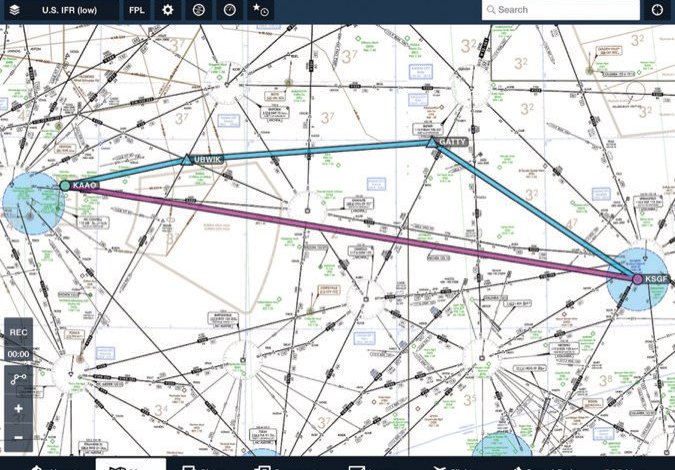
Dont you hate it when this happens? November 12345, I have an amendment to your clearance…advise when ready to copy. Then ATC gives you the barely pronounceable name of a waypoint you never heard of. Youre given a re-route around restricted airspace or a military operations area (MOA) that just went hot. Or youre making a short positioning flight in IMC, and have to make rapid-fire GPS flight plan updates and heading changes when youre cleared for a approach just as youre leveling off from climb.

Read More »

Flying For Money

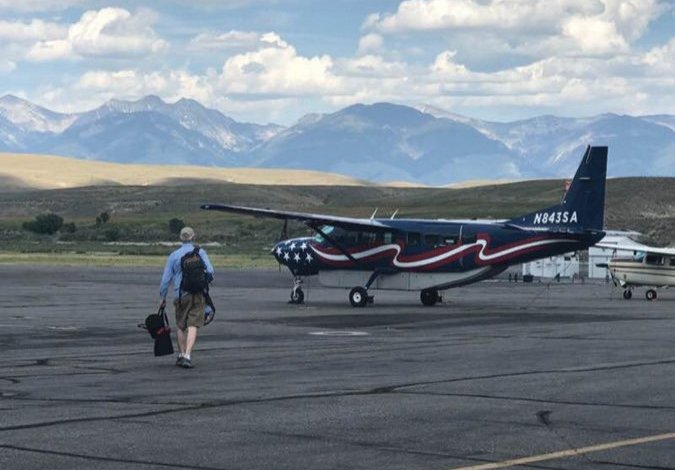
A year and a half ago, it dawned on me that what I most enjoyed about my previouscareer as a science communications consultant was when I got to commute to visit clients in my faithful Cessna 180. With some 1500 hours in my logbook-accumulated primarily on those business trips-I sent out my rsum to two area commercial operators. In response, I got two job offers. Wow. What a game-changer for me. I jumped into the Part 135 world with both feet and left my previous career behind. Now, with more than a year under my belt flying for money, I have been reflecting on how profoundly the move from Part 91 to Part 135 has affected my risk management experiences and choices.

Read More »

Farewell, DUATS

For many pilots, the transition likely wont be noticed. Popular electronic flight bag (EFB) apps like ForeFlight and Garmin Pilot long ago went beyond what is/was available on DUATS alone and pulled in data and imagery from a variety of sources. That will continue. And the many other aviation weather services available from Jeppesen, The Weather Company and other providers arent going anywhere. In fact, if it wasnt for the success of DUATS, those other services might not exist, or might not be as ubiquitous as they are.

Read More »

Mooney Issues

Pilot disconnected the (S-Tec 50) autopilot and hand-flew for several minutes. Shortly after initiating a descent to land, the ailerons began to seize. It took five to 10 seconds to lose aileron authority, followed by elevator authority. Pilot forced to make emergency landing with only a few degrees of operable aileron and elevator, but landed without damage or injury. Examination revealed the autopilot had re-engaged and the servo clutches had frozen.

Read More »

Aviation Accident Data For Skeptics

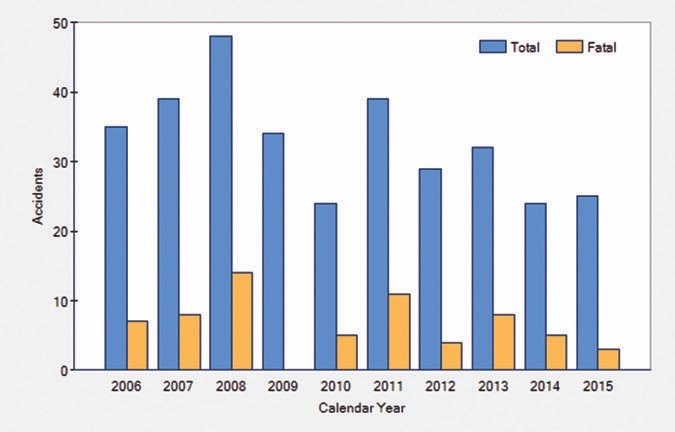
An aircraft accident would seem like an easy thing to identify: Look for the smoking crater with a few pieces of empennage sticking out, right? Okay, that one probably qualifies. But the national statistics are derived from a very specific definition of accident thats not based on either the events immediate effects on airworthiness or the projected cost of repairs. Airplanes can be and often are scrapped for damage that would cost more to fix than their hulls are worth but still doesnt qualify as substantial enough to merit reporting. Conversely, damage that does qualify sometimes goes unnoticed by the pilots who inflicted it, only to be discovered on a later pre-flight inspection.

Read More »
Pilot in aircraft
Sign-up for newsletters & special offers!

Get the latest stories & special offers delivered directly to your inbox.

SUBSCRIBE