











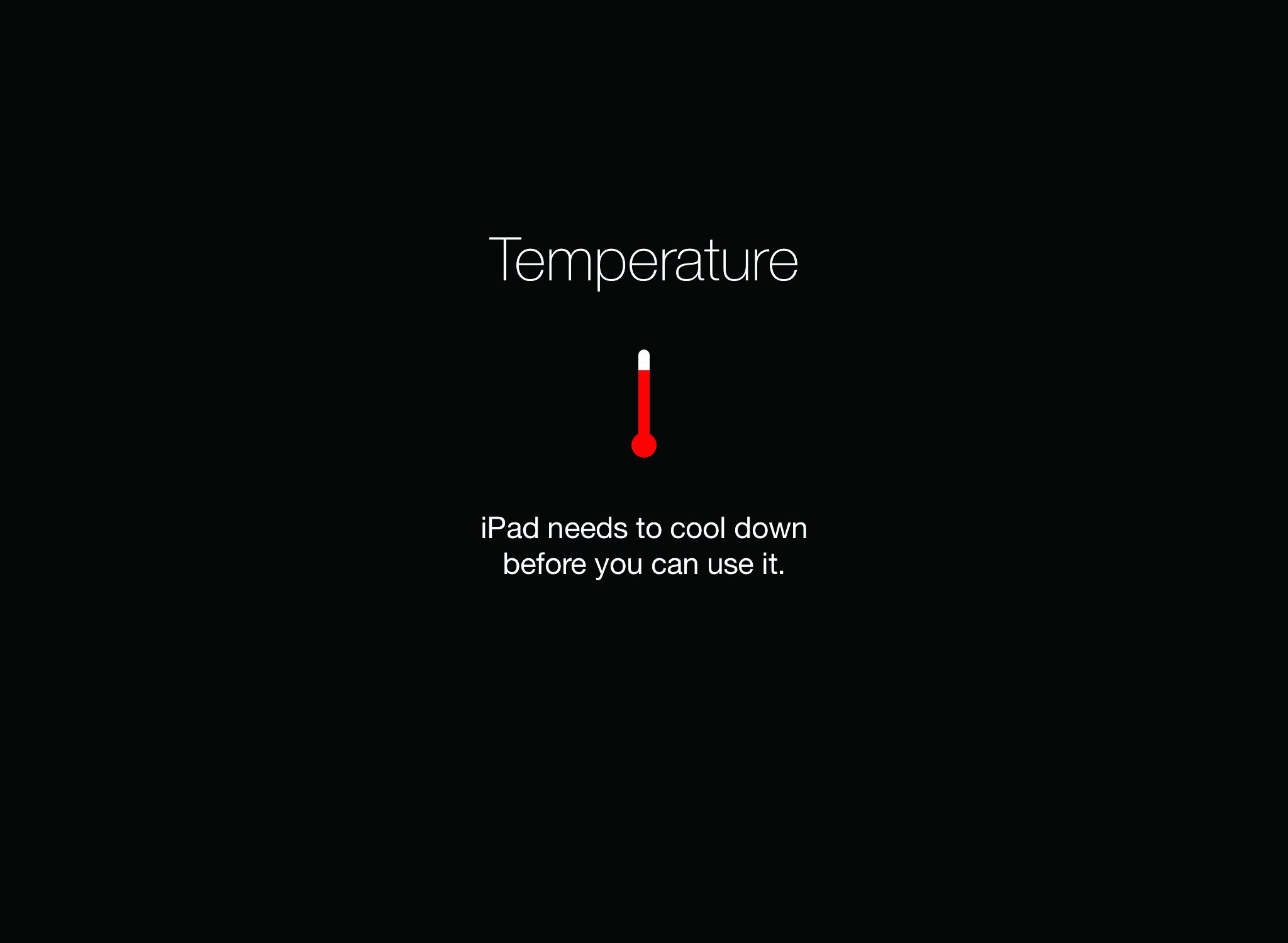


There I was, all strapped in with the engine running, sitting on the ramp at Class B International. I’d flown in a few minutes earlier for a stop, drop and hop, and my passenger was well on his way to the airline terminal for his human mailing tube home. I was looking forward to getting back to my own home after a couple of days on the road. With the big, front-mounted fan cooling me off, I hit the home button on my yoke-mounted iPad mini 2 to pull up its ForeFlight installation and look up the ATIS. I was greeted by a BSD (black screen of death): My iPad had overheated, sitting in its mount on a warm September afternoon. Oh joy.
Over the last 10 years, electronic flight bag (EFB) software running on a portable device of some sort has revolutionized the way we fly. One device, often capable of slipping into a pants pocket, can contain and display every VFR and IFR chart, terminal procedure and speck of aeronautical information that used to require pounds of paper. Properly equipped, it can display slightly delayed Nexrad weather radar, nearby traffic and its own position on an electronic version of all those charts we used to carry. It can even show me where I am on an airport taxiway and the direction to turn toward the runway. If it didn’t already exist, someone would have to invent it, if for no other reason than to save some trees. But the EFB as it’s implemented in many cockpits—especially when based on a consumer-grade product with a relatively narrow operating temperature range—isn’t perfect.

