Instrument Flying

You’re Not Authorized For That Approach

A turboprop-conversion Beech Bonanza crashed during an attempted night approach in IMC, killing the pilot and two passengers. Forget for a moment that the NTSB’s investigation revealed the pilot was using unapproved medications and was not even instrument-rated. Lost in the details of the accident report is that even if the pilot was IFR-rated and current, […]

Read More »

Cleared For The MSA?

Not long ago, I was conducting a two-day, six-flight, expanded instrument proficiency check (IPC) with the owner of an A36 Bonanza. We were above an undercast at 7000 feet en route from Wichita, Kans., to Emporia Municipal (EMP), a non-towered airport a short 25 minutes to the northeast. Had the skies been clear, we would […]

Read More »

Breaking It Off

There’s a time-worn technique for flying IFR into an airport that is not served by an instrument approach. Fly the approach into a nearby airport and, when you break out, cancel IFR and fly visually to your planned destination. Although this may seem to be an invitation for illegal scud-running (and I’m certain many have […]

Read More »

Decisions In The System

It was annual time again for my employer’s A36 Bonanza. It’s worth the trip from our base in Wichita, Kan., to Bob Ripley’s Southern Aero in Griffin, Ga., just south of Atlanta, for his level of expert attention. I chose Birmingham, Ala. (BHM), for a fuel stop; not the cheapest avgas, but one where I […]

Read More »

Recovering From Unusual Attitudes

Instrument flying can be dull and boring. You’re straight and level, probably on autopilot, and there’s literally nothing to see except the wings and the instrument panel. Other phases of instrument flight aren’t so boring, though, especially if we want or need to hand-fly the airplane through a complicated departure or arrival. When we get […]

Read More »

The No-Go Decision

The mission was a simple day trip from my home field in southwest Florida to a familiar destination in north-central Georgia of 407 nm, planned to take 2+30 one-way. Spend a few hours on the ground visiting with an old friend, grab a late lunch, then hop back home later the same day. The airplane was ready and willing. But the weather wasnt cooperating as I wanted. The destination airport offered its own challenges. And while I was instrument-current, I wasnt as proficient with low IFR as I would have liked.

Read More »

Negligent Maintenance

Vintage aircraft often have vintage owners. Familiarity being a source of contempt, long-time owners of aircraft seeing little activity may also see little need to perform preventive maintenance or conduct regular inspections. It was just fine when I parked it; what could possibly have broken while it was sitting in a hangar? can be a familiar refrain to pilots who have owned the same airplane for a significant time. After a while, the pilot/owner is so familiar with the aircraft, he or she can tell somethings wrong just by the slipstream noise.

Read More »

Notam Changes Coming

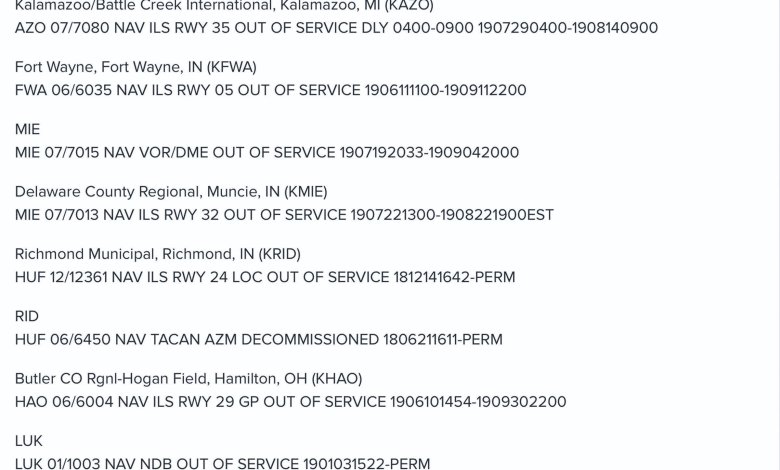
Notams have had a rocky decade, getting most of the blame in 2010 when the FAA accused U.S. Senator James Inhofe (R-Okla.) of landing on a closed runway in Texas. He maintained he researched applicable Notams as part of his preflight planning, but didnt find one for his destination. The FAA didnt agree and brought an enforcement action against the Senator. In turn, Inhofe developed and in 2012 saw enacted the Pilots Bill of Rights, which among other things mandated an overhaul of the Notam system. Subsequent legislation-2015s Pilots Bill of Rights 2, also by Inhofe-sought to further improve the Notam experience for pilots. Its the legislation that created the BasicMed option to traditional FAA medical certificates.

Read More »

Winter Weather Tools

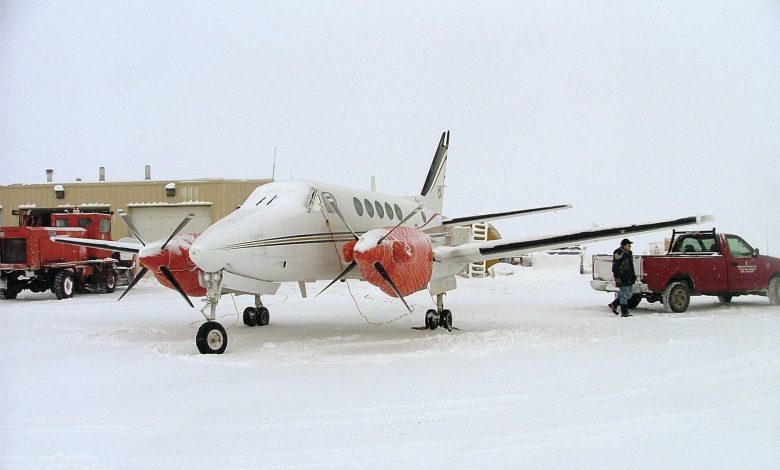
Like it or not, winter weather is upon us here in North America. After a few brief weeks of not as much thunderstorm activity, were headed squarely into a a couple of months featuring widespread near-freezing temperatures and precipitation. From storing our airplane, to preflighting it, picking a route and ensuring our destination doesnt have any slippery surprises, winter weather will have an impact on our operations, likely even if we stay in the pattern at a Southern California airport.

Read More »

NTSB Reports

After overflying the destination runway, the crew made a steeper-than-normal approach to the 3880-foot-long runway due to terrain. According to the captain, a bump was felt near the threshold during the landing but it was not extreme. As the propellers were reversed, the airplane veered to the right. The crew corrected and the airplane tracked straight for about 2000 feet before veering sharply right, exiting the runway and spinning 180 degrees. Inspection of the runway threshold revealed several four-foot-tall piles of rocks and dirt.

Read More »
Pilot in aircraft
Sign-up for newsletters & special offers!

Get the latest stories & special offers delivered directly to your inbox.

SUBSCRIBE