Instrument Flying

The Alternate Missed

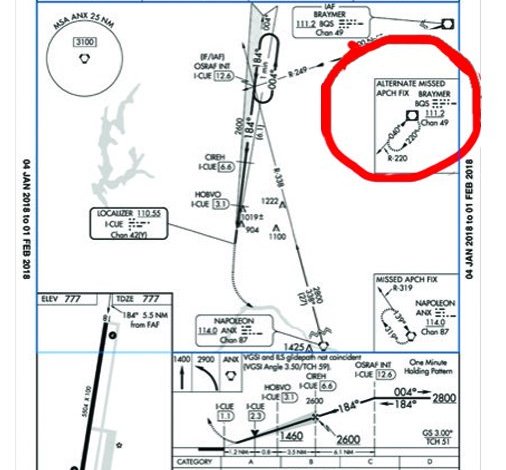
I was in the left seat of a Beech Bonanza, receiving an instrument proficiency check in the Kansas City, Mo., area. We departed Lees Summit Municipal Airport (KLXT), simulating a takeoff into instrument conditions, and proceeded toward Midwest National Air Center Airport (KGPH), a short distance to the north. My instructor gave me headings to simulate radar vectors in the clear, cold and turbulent low-level air.

Read More »

Down Time

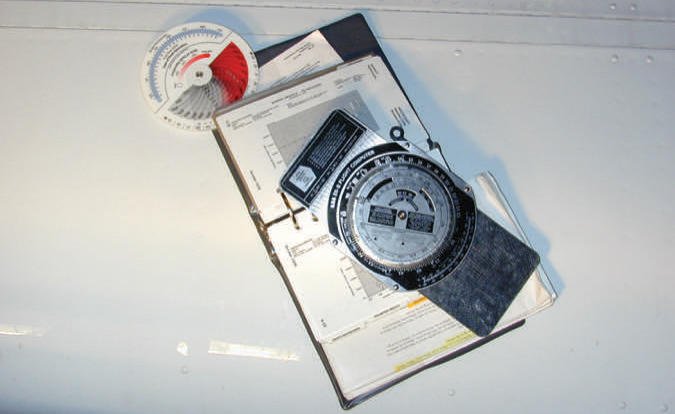
If youre an aircraft owner like me, you enjoy rolling up your sleeves and tackling various tasks to help maintain or preserve your airborne conveyance. Those tasks can be as simple as a wash and wax, or more complicated, like an engine oil and filter change, or other preventive maintenance (PM) items allowed in FAR 43s Appendix A. And if youre also busy like me, you may find it difficult to work these projects into your schedule. One result is starting a PM project and not having time to finish it. Thats a place I find myself.

Read More »

Choosing An Alternate

Most IFR operations dont require an alternate airport. Thats because the advertised weather often is better than required to select one and list it in a flight plan. That doesnt mean we shouldnt at least have something in mind as an alternative place to land if, say, some nummy lands gear-up at your destination or, as we saw in December 2017, an entire major airport finds itself without power.

Read More »

The Two-Pilot Problem

Problems arise when both pilots are trying to fly the same airplane at the same time. The result often can be no one is flying. Thats when hijinks ensue and both pilots become passengers. While the FARs make it clear there can be only one pilot in command, the reality is we often split duties while airborne with two. It usually works out, but clear delineation of responsibilities is a must.

Read More »

NTSB Reports

The pilot later stated the approach to land was steeper and faster than normal as he was aware of cranes near Runway 18s approach end. The airplane landed long and instead of going around, the pilot continued with the landing. The airplane went off the runway and into Tampa Bay. Observed weather included wind from 170 degrees at eight knots.

Read More »

Peer Pressure

I had flown to Florida to visit friends in their beachfront condo. They were not pilots and had no concept of things like trading fuel for cabin load or the dangers of overloading an airplane. That evening, after a few drinks, the idea arose of a day trip to Key West to take in the sights. Against my better judgment, I agreed.

Read More »

When To Switch Tanks?

In the Top Five Tips and Traps article of the November 2017 issue, I disagree slightly with the statement that once an engine is started, take off on the selected tank and only switch to another one while airborne. The premise is a good one, but I have been in the habit of immediately switching tanks after engine start. My theory being that if the engine started fine on one tank, that tank is probably fine.

Read More »

Say Approach Request

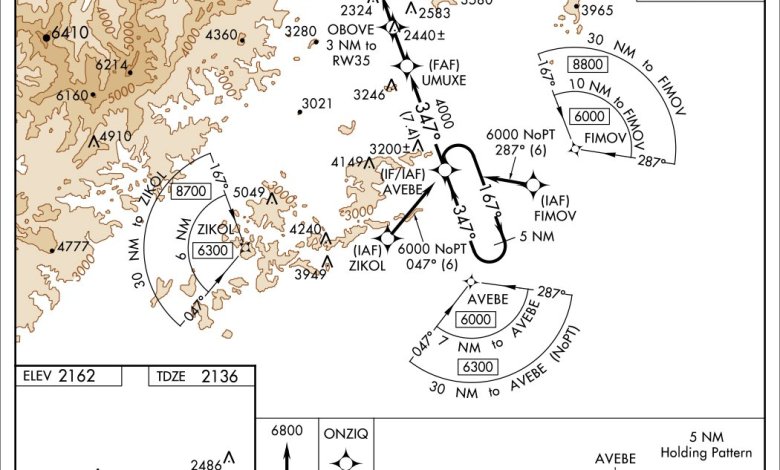
In less than 25 years, the miracle of GPS has transformed how even the smallest and least expensive aircraft navigates. Thanks to the wide area augmentation system (WAAS) in the U.S. and similar technologies deployed in other countries, GPS is more accurate, more reliable and more repeatable than what came before. If you need proof, look no further than comparing the faithful instrument landing system (ILS) to its WAAS GPS-based equivalent, the LPV (localizer performance…

Read More »

IO-520s

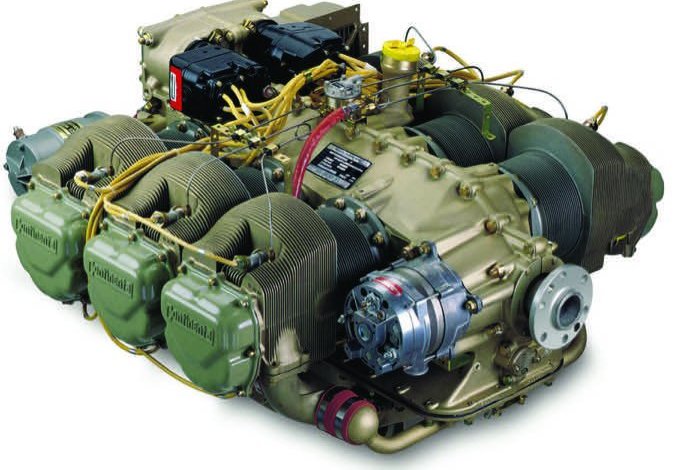
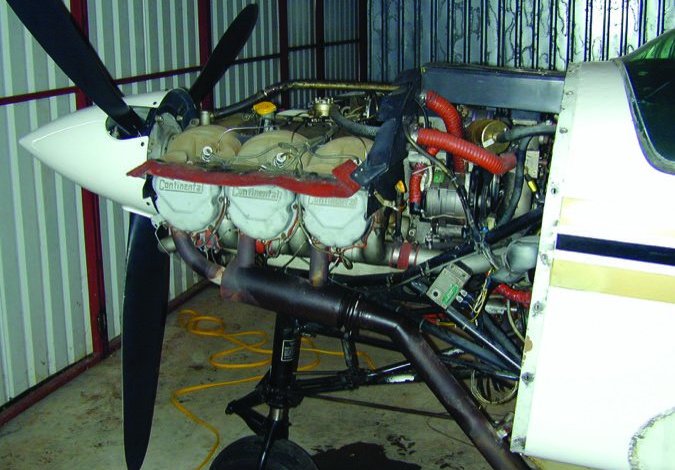
Beechcraft Model F33A Bonanza/IO-520Cracked Magneto Impulse CouplingDuring a 500-hour magneto inspection, the impulse coupling was discovered to have cracks in its flyweight base plate. The cracks were detected using magnetic particle inspection and appear to have originated from the sharp-cornered feature of the base plate that forms the full advance stop. Slick p/n M3050.Part total time: 565.0 hours

Read More »

Top Five Tips And Traps

It would be nice if economics didnt force a lot of our flight training into a laser-like focus on getting through the written exam or checkride, and instead encouraged pilots to soak up what we might call extra-curricular aeronautical knowledge along the way. Some of things that can make our flying smarter and less risky just arent on the test. Learning them comes through experience, from a mentor or, if you are a really lucky, a seasoned, lifetime instructor with the time and motivation to go beyond the minimum requirements.

Read More »
Pilot in aircraft
Sign-up for newsletters & special offers!

Get the latest stories & special offers delivered directly to your inbox.

SUBSCRIBE