











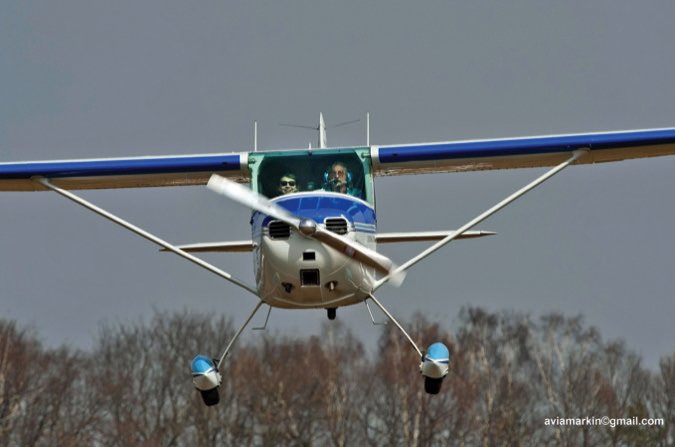


One of general aviation’s most time-honored practices involves two or more pilots being aboard the same airplane at the same time. The purposes vary—from training and proficiency, to boring holes in the sky, to chasing down a $100 hamburger, and everything in between—but it’s not at all rare to find more than one pilot seated where they have flight controls in front of them. Most of the time, that’s a good thing: There are two sets of eyes, hands and feet, and if the pilot flying needs a break, there’s someone to keep the shiny side up. It can be a bad thing, though, if both pilots don’t have a full understanding of each other’s duties and responsibilities. When that happens, things can be forgotten or overlooked.
Problems arise when both pilots are trying to fly the same airplane at the same time. The result often can be no one is flying. That’s when hijinks ensue and both pilots become passengers. While the FARs make it clear there can be only one pilot in command, the reality is we often split duties while airborne with two. It usually works out, but clear delineation of responsibilities is a must.

