Features

Analyzing Fatals

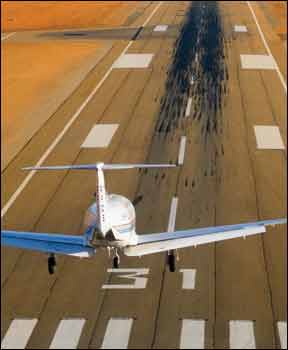
The NTSB (or FAA when delegated by NTSB) investigates fatal accidents and the Board issues reports on the probable cause of the accident. The reports also list contributing factors to the accident. Typically, the final reports are peppered with words such as loss of control, controlled flight into terrain (CFIT) and other language describing the final event in the accident sequence and attributing it to one or more other events. But rarely does the report explain the “why” of the accident or the “how” of the pilot’s or other participants’ actions relating to the “why.” For example, in a loss-of-control accident, why did the pilot lose control of the aircraft and how did he or she place themselves in that predicament?
Read More »

Automating Weather

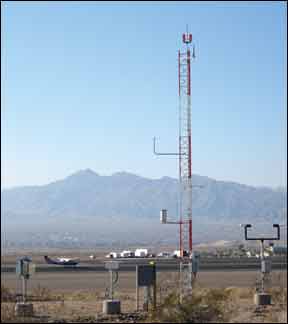
Properly managing risk is essential to successfully pursuing life’s more exciting adventures. Activities such as scuba diving, downhill skiing, motorcycling, mountaineering and, of course, flying, all entail elements of risk which we must consider and manage if the thrills we seek are to be experienced more than once. But risk management often is poorly understood: While most people believe themselves to be prudent, the reality is large risks are often ignored and minor dangers grossly exaggerated. In general aviation, our inability to assess risk properly is evidenced by the number of weather-related accidents consistently gracing NTSB logs, even in the face of widely available near-real-time meteorological data on the ground and in the cockpit.

Read More »

Getting Disoriented

You just broke out of the clag on final, late in the day, with the weather at minimums, when illusion strikes. Are you low on the approach? High? Not sure? At the last moment you realize you’re high and long; time to go missed. Maybe it worked the other way around; you’re on approach and as you get to where you expect the threshold marks to pass below you realize you’re low, short and about to touch down—short of the runway. At its worst, these vision deceptions can contribute to spatial disorientation in VMC that’s more confusing than the dizziness of becoming disoriented inside the eggshell of IMC.

Read More »

Zero-Zero Departure

Part 91 operators have a lot of flexibility in their operations not available to commercial flights conducted under Parts 135 or 121. Whenever persons or property is being carried for compensation, different rules apply. One of them involves minimum weather requirements for takeoff under IFR. The non-commercial Part 91 operator, however, has no such restrictions. We can blast off into any weather conditions we want without needing to meet a visibility minimum or having an alternate airport nearby in case of a problem developing shortly after takeoff. With that flexibility, of course, comes some responsibilities.

Read More »

Five Reasons Your Landings Suck

Landings are typically the pilot’s biggest challenge, presenting great frustration when we screw them up even as recognition of doing it right is as rare as $2.00/gallon avgas. Apparently, the act of returning to terra firma is one we simply can’t seem to master consistently. One of the reasons is each day’s conditions are different from the previous flights, and applying what we remember from them—if anything—won’t always work. Another reason is the pilot may not have enough experience to know how to gauge conditions and modify the pattern and approach to compensate for today’s conditions.

Read More »

Finding A CFI

In a perfect world, all flight instructors would be smiling, retired airline captains who would patiently and benevolently impart the benefit of thousands of hours of safe aircraft operation to the eager minds of the less experienced. Unfortunately, ours is not a perfect world. Most Aviation Safety readers are already certificated pilots, but we all need a CFI for recurrent training and required flight reviews.

Read More »

Engine-Related

They say flying is hours and hours of boredom punctuated by a few fleeting moments of occasional terror. For the pilot flying a single, maybe it starts as a vibration you’re pretty sure you’ve never felt before, or as a slight pulse of the engine, a muffled thump, popping or a stumble. Maybe your airspeed has dropped off, and the gauges aren’t indicating what they should, or where you left them. The good news is engines rarely stop completely without warning. The bad news? Odds are, if it gets this far into the process of trying to get your attention about a fuel-related issue, things are poised to get more interesting rapidly.

Read More »

IFR Emergencies

There you are, droning along in the clag, watching the autopilot watch things for you, monitoring the frequency and marveling at how the IFR system’s various parts mesh together. But you haven’t been paying attention to the ammeter, which is showing a steep discharge. Suddenly, your autopilot’s control panel goes dark, along with your older number two nav/comm, and the stable airplane you’ve been monitoring—not flying—for the last hour and half wants to pitch up and bank right. Congratulations: You’re about 15 minutes from completely draining the ship’s battery and total electrical failure in IMC. You’re also about 20 minutes from the nearest suitable airport, one with services like a maintenance shop. Did we mention it’s well past sundown?

Read More »

Gethomeitis

We’ve all been there: A personal or professional commitment encourages us to cut a corner or launch when otherwise we might not. The corner could be a mechanical deficiency with the aircraft, failing to obtain a weather briefing or taking off with minimal fuel. The pressure of schedules and commitments tempts us to do things like make a zero-zero instrument takeoff, shoot an approach in conditions below published minimums or stretch our fuel to the breaking point in the face of headwinds and the time it will take to make an en route fuel stop.

Read More »

Big Blows

One complication with which we pilots must always contend is wind. It can complicate a takeoff or landing, force heading changes while en route, mandate a fuel stop when stronger than forecast and make an otherwise smooth ride uncomfortable when blowing over uneven terrain. Learning to deal with the wind is one of the major lessons of primary training, yet the accident record demonstrates many of us still haven’t mastered the challenge.

Read More »
Pilot in aircraft
Sign-up for newsletters & special offers!

Get the latest stories & special offers delivered directly to your inbox.

SUBSCRIBE