











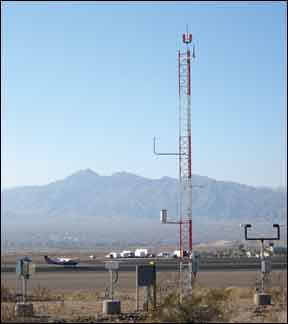


Properly managing risk is essential to successfully pursuing life’s more exciting adventures. Activities such as scuba diving, downhill skiing, motorcycling, mountaineering and, of course, flying, all entail elements of risk which we must consider and manage if the thrills we seek are to be experienced more than once. But risk management often is poorly understood: While most people believe themselves to be prudent, the reality is large risks are often ignored and minor dangers grossly exaggerated. In general aviation, our inability to assess risk properly is evidenced by the number of weather-related accidents consistently gracing NTSB logs, even in the face of widely available near-real-time meteorological data on the ground and in the cockpit. Given the proliferation of automated weather data in recent years, the opposite should be occurring.

288

