Commentary

EAA Lauds Experimental Aircraft Safety News

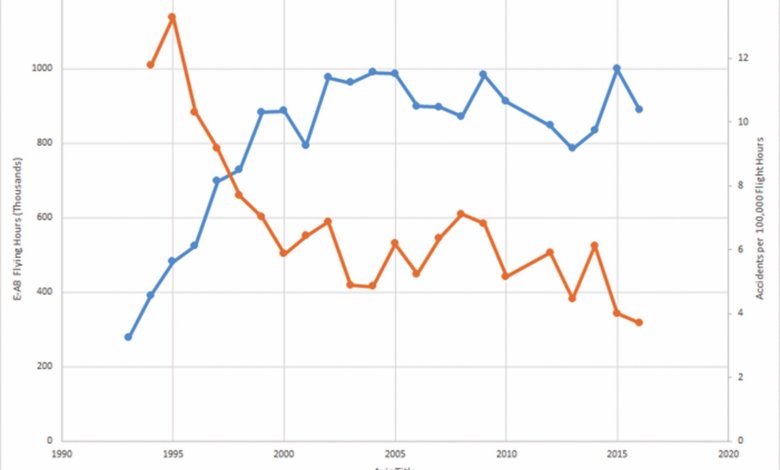
Experimental amateur-built aircraft in 2017 achieved their safest year ever, according to the Experimental Aircraft Association (EAA). The association based its findings on the recently finalized results of the FAAs 2017 General Aviation and Part 135 Activity Survey (GA Survey). Pilots of experimental amateur-built (E-AB) aircraft were involved in fatal accidents at a lower rate than has ever been recorded, with 2.63 fatal accidents per 100,000 flight hours last year, the association said. That fatal accident rate-2.63-breaks a record set the previous year, when E-AB pilots were involved in 3.6 fatal accidents per 100,000 flight hours, EAA added.

Read More »

ELTs

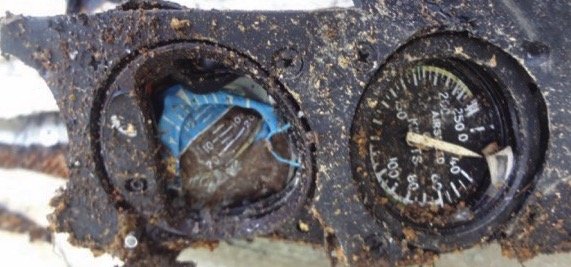
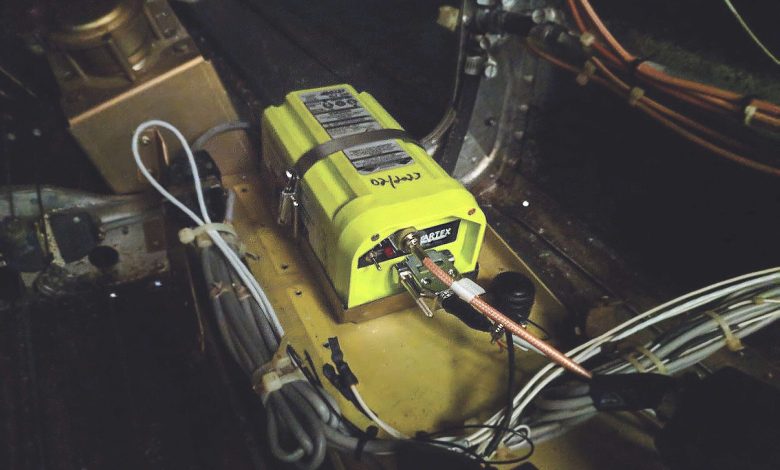
Those first ELTs, produced under FAA technical standard order (TSO) C91, failed to activate in a crash more than 75 percent of the time. When they did activate, according to AOPA, 97 percent of the time it was a false alarm. By 1985, when the FAA revised the standards and came up with TSO-C91a, a lot of the bugs had been worked out, but the ELTs troubled history painted it with a mostly deserved reputation for unreliability. Those earlier devices still meet the FAAs requirement to carry an ELT (see the sidebar on the bottom of the opposite page), but it perhaps is time they were retired in favor of newer technology.

Read More »

Potpourri

By the time you read this, itll be late September or early October. In some regions of the U.S., that means leaves changing color, frost on the pumpkin and winterizing the house, the vehicles and the airplane. In other regions, like where I am, it means shutting off the air conditioning, opening the windows and putting a final close cut on the yard. Cooler, better flying weather, along with some seasonal challenges, likely will confront us all soon.

Read More »

Making GA Safety Policy

Recent, similar efforts involving the FAA and the GA community are picking up in tempo. Youve already seen some of the institutional changes: relaxed certification standards for installing advisory angle-of-attack indicators and the new rash of all-electronic attitude indicators, among others, which are designed to help minimize the classic loss-of-control inflight accident. These and other outcomes may be producing tangible results, but its too early to be sure. Regardless, by using a data-driven approach and producing specific safety enhancements, these efforts are creating some useful outcomes for GA pilots. The way this came to be is an example of why you never want to see sausage made.

Read More »

Beyond Flaps

Boeings 727 has always been one of my all-time favorite airplanes. Ive never flown in one as anything other than self-loading freight, but Im old enough to remember when the 727 (and the DC-9) brought jet comfort and performance to smaller, outlying airports where the eras long-haul mainstays-707s and DC-8s-couldnt operate. These days, of course, economics-fuel burn, plus the need to pay three pilots-and noise regulations have relegated the venerable three-holer to tramp-freighter status or the scrapyard.

Read More »

IMC Emergencies

We were in IMC at 4000 feet, on a vector for the VOR-A approach at the Wichita, Kan., Colonel James Jabara Airport. The airplane was an A36 Bonanza and I was in the instructors seat on the last approach of a day-long training session. This was in the era before GPS, long before iPads and moving-map handhelds, and the owner of this then-well-equipped 36 had ignored the short-lived Loran phase. So we were eastbound on a long downwind, and crabbing into a northerly wind before intercepting the westbound final approach course before circling to Jabaras north/south runway.

Read More »

Pattern Entry Guidance

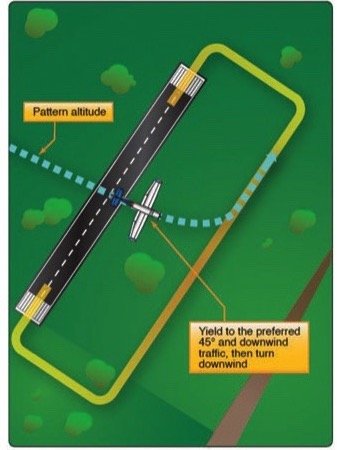
The right-hand diagram on page 32 (July 2018) depicting an alternate midfield entry when approaching from the side opposite the traffic pattern was (and I believe still is) the standard approach taught across Canada when I began flying over 50 years ago. When approaching from the same side of the traffic pattern, we were taught to enter downwind parallel to, slightly wider and slightly further upwind than usual, rather than the 45-degree entry in the U.S. The preferred entry (left-hand diagram) involves a short period where you are blind to everything that may be happening in the pattern and thus may pose unnecessary risk.

Read More »

Losing Control Is Easy

It was a warm, blustery late-spring day in Texas. Visibility was restricted by the haze, and the afternoons updrafts were in full bloom. The whole package made the air hot, bumpy and thick. I had a multi-engine checkride scheduled in a few days, so my instructor and I were aloft in the Piper Seneca I that Id been using and were up to no good, trying to buff out the rough spots. This was for a commercial multi-engine checkride and emphasized instrument work.

Read More »

Ground Control

My flight instructor also lives in an airpark development, about 40 nm away, an easy hop. When we fly together, I generally taxi directly to her home. Past palm and pine trees, mailboxes, fences and…well, you get the idea. (Her trash gets collected on Fridays.) So Im no stranger to ground operations in close quarters. It could be said that I dont really know what to do with all the expansive, unobstructed pavement available for taxiing at real airports. Thats not to say Ill never taxi into something; thats always a risk.

Read More »
Pilot in aircraft
Sign-up for newsletters & special offers!

Get the latest stories & special offers delivered directly to your inbox.

SUBSCRIBE