Commentary

The Ditching Option

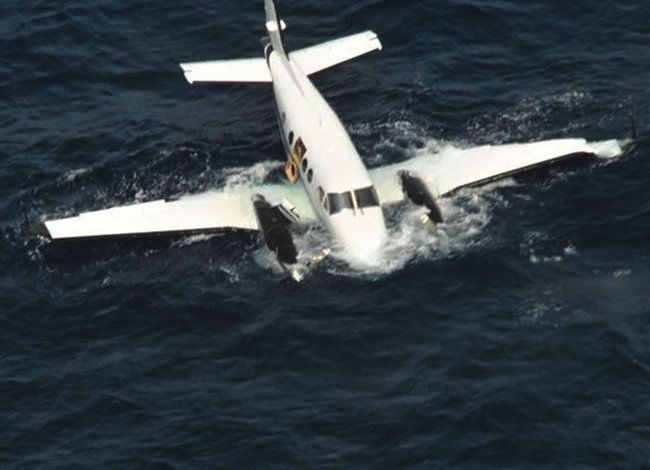
Let’s dispel some myths: Ditching done well is not all that dangerous. My recent ditching was devoid of actual trauma. Most people—about 90 percent—survive a ditching, and those who don’t are usually the ones who did not take basic steps to prepare. Some recent incidents and my own experience demonstrate ditching usually is very survivable and taking a few precautions can greatly enhance the possibility of a favorable outcome.

Read More »

Hot Water

In response to your October editorial, Hot Water, what I took from these two tragic accidents was that the culture of fear surrounding declaring an emergency is killing people. The FAA needs to change its policy calling for an emergency declaration investigation to address this fear.

Read More »

Nosewheels

I have been flying since 1971 and I enjoy reading the material from your magazine. I usually do not chime in with a response to an article, but this time I have to make an exception.

Read More »

Final Words On Zero-Zero

Excellent article on zero/zero takeoffs (“Cant See Nuthin,” October 2009). Another unmentioned consideration is visibility on the takeoff roll. On the early morning (oh-dark-thirty) ride to the airport, I could make out glimpses of the moon through a occasional break in the fog. I did a thorough preflight and powered up to launch. At approximately 35 knots, I lost sight of the runway environment entirely. I decided continuing the takeoff was a better choice than trying to abort and rotated the Skyhawk on the gauges at the proper speed. Completely losing sight of the runway before launch is a factor that should be added to previously mentioned considerations in the decision to go or not.

Read More »

The JFK Aftermath

I suspect many pilots spent the weekend of July 17th the same way I did: Alternately fielding puzzled questions from friends about the John F. Kennedy Jr. crash and being irritated beyond description by round-the-clock news coverage of the incident, much of it depressingly incompetent.

When the local news outlet wanted answers now, a pimply faced 300-hour CFI is suddenly transformed into an on-camera authority and those of us with the restraint to keep our traps shut while the NTSB does its duty can only grimace at the results.

At a dinner party that weekend, I was asked by a friend You wouldnt do that, would you? as if that was as plain as the nose on my face, even as the Coast G…

Read More »

The Death of Airmanship

A pilot girds for attempting GPS approaches for the first time.

A safety pilot or instructor is in the right seat to look out for traffic and aircraft control while the new GPS owner briefs himself (again) on his toy. The two pilots go over the planned approach and probably program it into the box while still on the ground.

They take off and fly away from the airport to check out operation of the moving map and make sure the simple-looking en route stuff really is simple. That part probably goes pretty smoothly, and soon theyre emboldened and ready to make the first approach. Maybe the left seater goes under the hood. Maybe he doesnt.

ATC gives the pilot vectors to the final appr…

Read More »

Runway Safety and Sanity

Last year the Federal Aviation Administration established a new organization called the Runway Safety Program with the stated goal, to design and execute a coherent, corporate action plan that will effectively reduce the number of incursions at our nations airports. After looking at the agencys efforts so far, one can only wonder how long they debated before deciding to make the plan coherent.

To guide the RSP, the FAA published a sweeping 34-page thesis titled, National Blueprint for Runway Safety (available on the internet at www.faa.gov/runwaysafety). The document lays out the agencys plan for countering what it has concluded is a…

Read More »

Best Wishes Wish List

The National Transportation Safety Board has created a wish list describing its most-wanted transportation safety improvements. When it comes to aviation issues, the board specifies three areas where the FAA should take action to make flying safer.

The first, reducing runway incursions, is already on the FAAs hit list as well. Control of airplanes on the ground is problematic for the FAA because the pilots (and drivers) who cause the problems are, for the most part, oblivious to the problems theyre creating.

You can talk about signage and communications all you want, but after a look at the number of people who run red lights, weve concluded runway incursions are a cultural phenom…

Read More »
Pilot in aircraft
Sign-up for newsletters & special offers!

Get the latest stories & special offers delivered directly to your inbox.

SUBSCRIBE