Commentary

Aviation Safety 2016 Editorial Index

Catastrophic FailureAugustClassic CFITMayCloak Of InvincibilityDecemberFifteen MilesJuneMinimum EquipmentMarchMissing Flight PlanOctoberMostly MundaneJanuaryRunning The ScudAprilSpin Recovery FailureSeptemberThe Impossible TurnFebruaryToo Much Automation?NovemberUnsecured CargoJuly

Read More »

NTSB Looking At Future Pirep Improvements

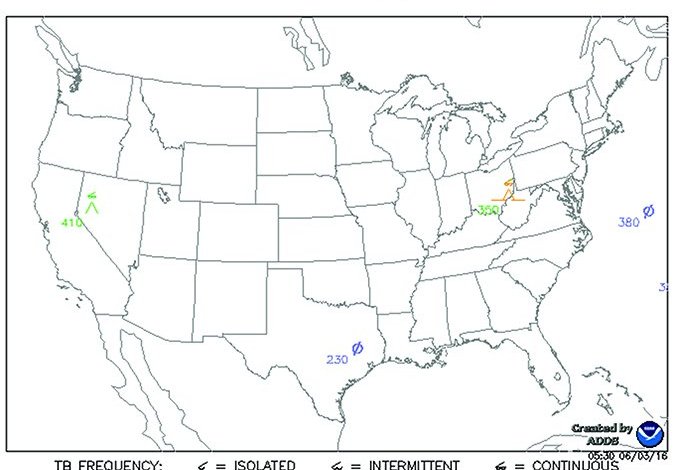
New ways to improve pilot reports-Pireps, including their collection, dissemination and use-is the topic of a two-day forum the NTSB announced in early June. Entitled PIREPs: Pay it Forward…Because Weather for One is Weather for None, the forum is expected to draw other federal agencies, air carrier organizations, aviation associations and academics. Panel-discussion topics are set to include the use and significance of Pirep information to weather services, air traffic controllers, pilots and researchers; the lifecycle of a Pirep; Pirep training, education and operations; and future improvements and emerging technologies for Pireps, the NTSB said.


Read More »

Aircraft Engine Starters

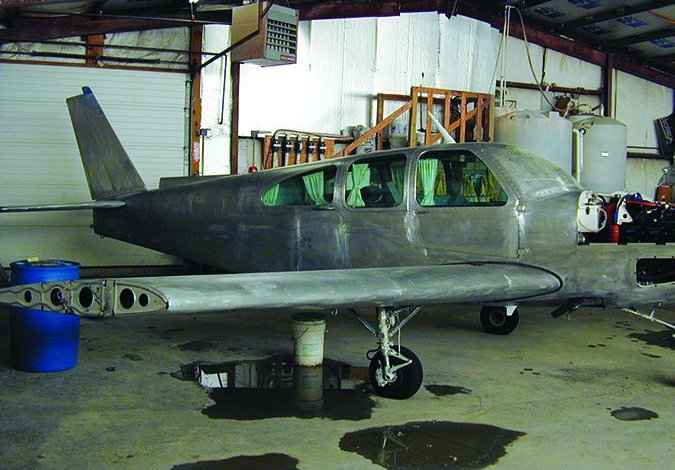
Installed a rebuilt starter adapter and overhauled starter. On starting, the prop turned about 10 degrees and stopped. Pilot then smelled a burning odor and could not shut off the battery. The cowling was removed but the battery box was too hot to touch. Using gloves, the battery was disconnected.

Read More »

Airman Certification Standards On Deck

The FAA recently announced the new ACS guidance was ready for prime time and will be implemented this June for the private pilot-airplane and instrument rating-airplane practical tests. According to AOPA, the new ACS is designed to make the certification and testing process more relevant and meaningful to modern pilots.

Read More »

Gears, Flaps, and the Pilot’s Bill of Rights 2

I take issue with the suggestion that it is generally a good idea to retract the landing gear before retracting the flaps to a mid/approach setting. There are a lot of pilots who are going to find that getting medical clearance to fly will be harder, not easier, under this proposed law. My fear is that the process will be foisted back on AMEs without liability protections nor the ability to order tests to verify fitness without a patient/physician relationship.

Read More »

NTSB Reports

At about 1950 Mountain time, the airplane was substantially damaged during a forced landing following a loss of engine power. The commercial pilot and his passenger were not injured. Night visual conditions prevailed. While en route, the pilot determined adequate fuel to complete the flight as planned was not aboard. The right fuel tank apparently failed to feed the engine. While preparing to land, the engine lost power. The pilot performed a forced landing to a field, during which the airplane nosed over and came to rest inverted.

Read More »

Aviation Hydration

A few years ago, as my need to travel on business to various locations ill-served by the airlines grew, using a GA airplane was a natural solution. After months of making, missing and rescheduling appointments, conducting business in FBO meeting rooms and up to four sales calls a day, I started to get the hang of it. What I learned about weather flying and fitting small airplanes into the ATC system would fill several magazines!

Read More »

My Sport Does Not Assume My Net Worth

If youve been following the general aviation industrys efforts to secure federal legislation deregulating FAA medical certification, you know its been a long, frustrating process (though not nearly as long or frustrating as some of the industrys other legislative efforts). The legislation is S. 571, the Pilots Bill of Rights 2 (PBOR2), introduced in the U.S. Senate by Sen. James Inhofe (R-Okla.). A companion bill, H.R. 1086, was introduced in the U.S. House of Representatives by Rep. Sam Graves (R-Mo.)

Read More »

Highlights Of The FAAs Proposal

Minimums/MaximumsSmall unmanned aircraft systems (sUAS) must weigh less than 55 lbs. (25 kg).Maximum airspeed of 100 mph (87 knots), maximum altitude of 500 feet agl.Minimum weather visibility of three miles from control station.

Read More »

Drone FARs

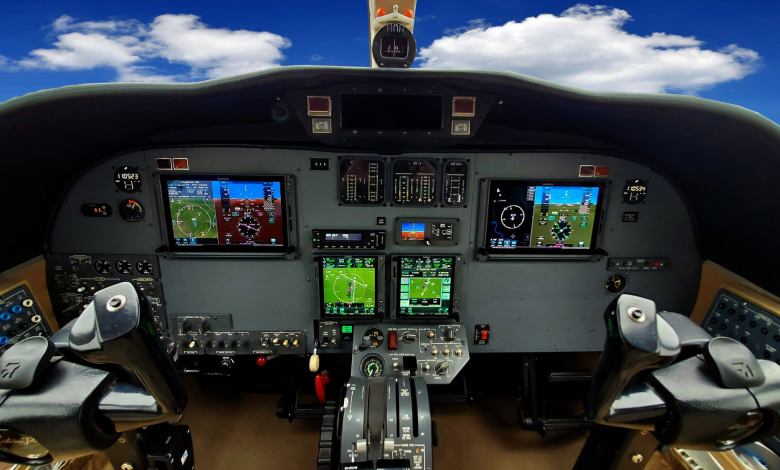
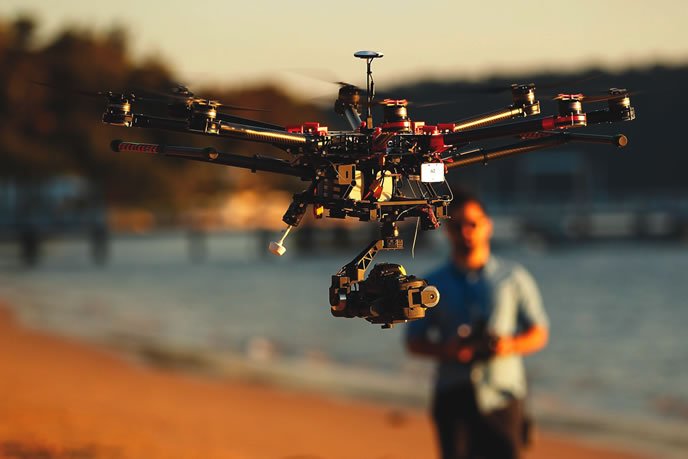
The technology you have in your glass panel, smartphone and the tablet you use in the cockpit? It turns out the same hardware and software putting a blue dot on a moving map-and displaying an accurate artificial horizon-also can be used to operate a small, airborne robot: a drone. Formally known as an unmanned aircraft system, UAS, theyve grown in sophistication and utility to the point Congress in 2012 told the FAA to come up with a framework integrating them into the national airspace system.

Read More »
Pilot in aircraft
Sign-up for newsletters & special offers!

Get the latest stories & special offers delivered directly to your inbox.

SUBSCRIBE