Commentary

FAA Proposes New AD On Piper Wing Spars

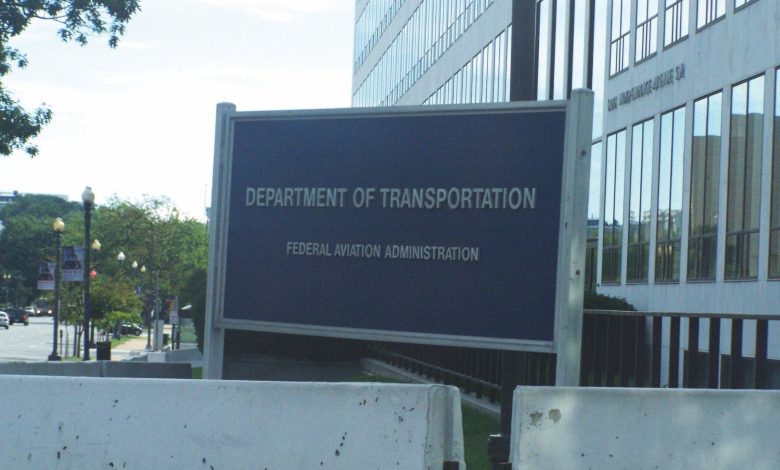
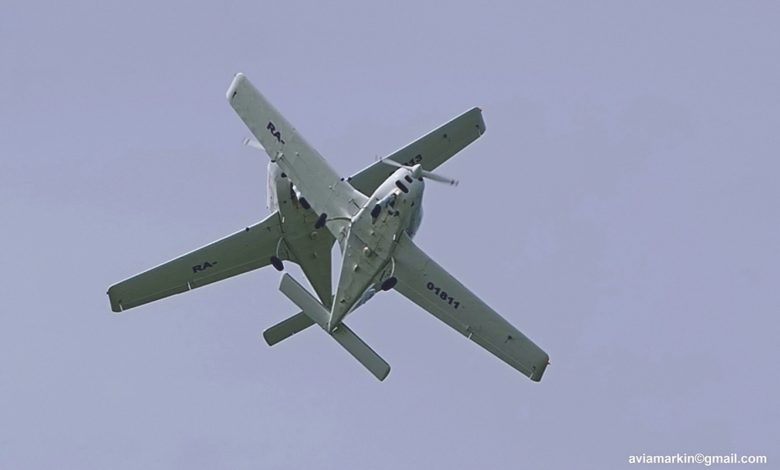
The April 4, 2018, crash of a Piper PA-28R-201 Arrow V operated by Embry-Riddle Aeronautical University (ERAU) continues to have repercussions. Most recently, the FAA has published a proposed airworthiness directive (AD) that would require inspecting each main wing spar of a wide range of Piper airplanes. The proposed AD is a response to the ERAU crash, which involved the inflight separation of the Piper Arrows left wing. Both aboard died and the airplane was destroyed.

Read More »

Shock And Yaw

to maintain heading when employing the “one-wing low” method or apply it when using a little of both methods to align the airplane with the runway.”

Read More »

Turbochargers

During descent, pilot noted oil streaking back from top engine cowl louvers, then dropping oil pressure. Pilot conducted precautionary shutdown and feathered propeller. Pilot continued descent and landed at destination without issue. Maintenance removed cowling and found oil appearing to come from the turbocharger (p/n 4066109025) area. Further investigation revealed oil bypassing the seals on the turbo.

Read More »

Assembling MOSAIC

By now, youve probably heard the news coming out of a recent AOPA Fly-In: The FAA is considering the idea of increasing the maximum takeoff weight limitation for wheel-equipped light sport aircraft (LSA) from 1320 lbs. to as much as 3600 lbs. On its face, this would allow a sport pilot with the appropriate endorsements to serve as pilot in command of, say, a Cirrus SR22 or an A36 Bonanza. Its one narrow focus of a broader initiative dubbed Modernization of Special Airworthiness Certificates, or MOSAIC, which may find its way into forthcoming FAA regulations.

Read More »

Test Pilot

My airplane has wingtip-mounted fuel tanks, installed under a supplemental type certificate (STC). In many ways, theyve transformed and improved the machine by adding greater loading flexibility, thanks in part to a gross-weight increase. What drag they produce isnt noticeable, and the additional endurance means the airplane is faster over some trips than it was before. For many of my destinations, I can depart with full tanks, fly to my destination, shoot an approach, miss it and fly home with reserves.

Read More »

Fixations

A pilot-buddy and I were flying two airplanes to the runway at Cape Hatteras, N.C., to spend the day on the beach. Both my rented Cessna 172 and his recently purchased Piper Warrior were loaded with people and gear for the trip, and we both had departed with restricted fuel. Wed hooked up en route at a prearranged time, location and altitude, and were chatting back and forth on the air-to-air frequency. Plan A was to stop in Elizabeth City, N.C., and take on enough fuel for each of us to get back to our respective bases that evening without stopping.

Read More »

Oil Filters

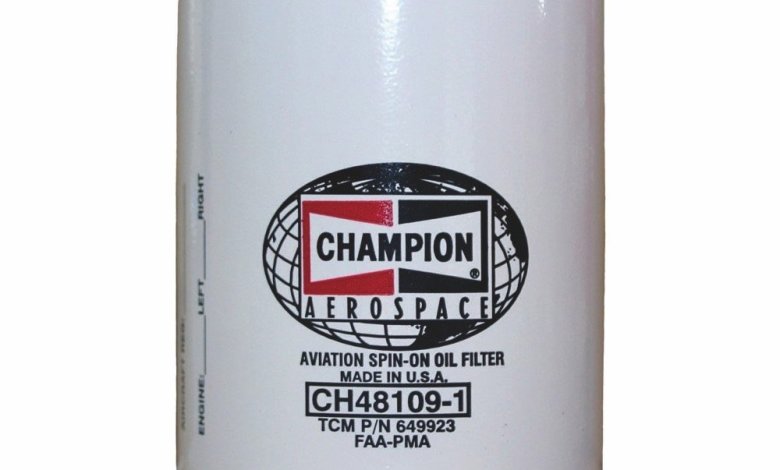
Following a scheduled oil and filter change, the technician noted lower-than-normal oil pressure at idle. The new filter (p/n CH48110-1) was replaced and oil pressure indication was normal. Examination of the replaced filter noted some paint chips had been removed in the flange area. The submitter suspects that a paint chip could have contaminated the filter, causing it to go into bypass. These filters are packaged in cardboard boxes. There was no damage noted to the box containing the filter.

Read More »

NTSB Reports

A witness observed the airplane make a normal landing aligned with the runway centerline. His attention was momentarily diverted and when he looked back, the airplane was established in a gradual left turn, maneuvering at a slow speed in a three-point attitude. The airplane then collided with the airport perimeter fence and came to rest about 600 feet past the touchdown point. The pilot stated that, despite application of brakes and right rudder, the airplane veered off the runway. Damage included the right wing strut.

Read More »

Trajectories

As someone whos researched my share of aviation accident reports over the years, its frustrating to dissect those reports and pick out the various missteps made and the points at which a change in direction, a precautionary landing or other mitigation would have altered the outcome. Loyal readers of this journal understand that aviation accidents arent preordained and, instead, often result from a complex series of events occurring over time. Its often called the accident chain, a term recognizing how these events are linked. Often, individual events occurring in an accident chain, by themselves, would not result in a new accident report. The accident chain concept has great value, but Ive come to think of it as a trajectory instead of a chain.

Read More »
Pilot in aircraft
Sign-up for newsletters & special offers!

Get the latest stories & special offers delivered directly to your inbox.

SUBSCRIBE