Commentary

Geographic Risks

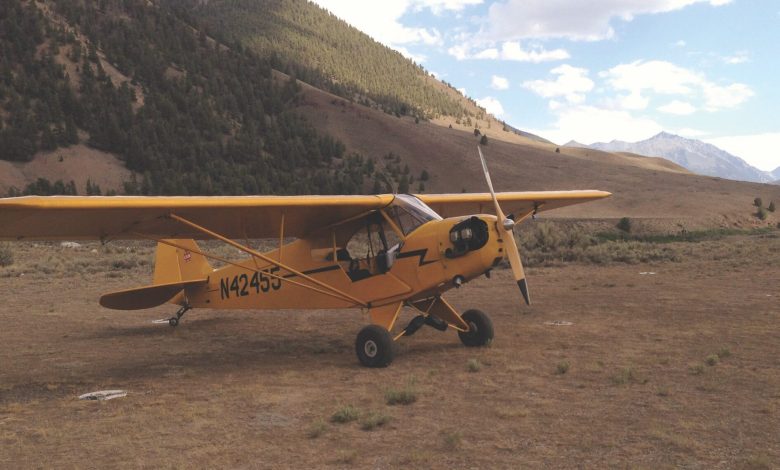
The Pacific Northwest, for the purposes of this article, includes the states of Washington, Oregon, Idaho, and parts of Montana and Wyoming. Thats a huge hunk of territory and comprises more than 250,000 square miles for Washington, Oregon and Idaho alone. The region includes two major mountain ranges-the Cascades and the Northern Rockies-and many smaller ones, as well as several major river basins. There are major cities in the region, such as Seattle, Portland and Boise, but also thousands of square miles of largely empty land and wilderness.
Read More »

Lean Of Peak EGT

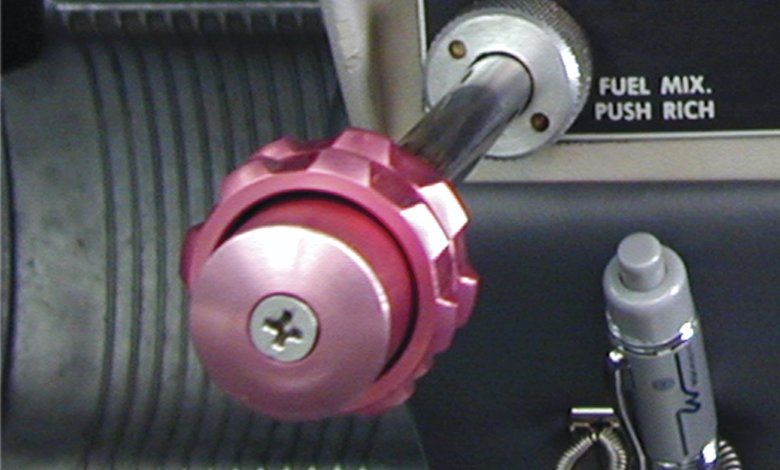
Its basic human nature that we often want to improve the efficiency of the things we do. Its also human nature to be skeptical when were offered something of value that carries little or no cost: Wheres the catch? What am I giving up to benefit from this largesse? These can be legitimate questions, and they deserve detailed answers, no matter whats being offered. When considering how pilots use the mixture control to manage aircraft piston engines, desires to improve efficiency and healthy skepticism can intersect.

Read More »

Winter Weather Tools

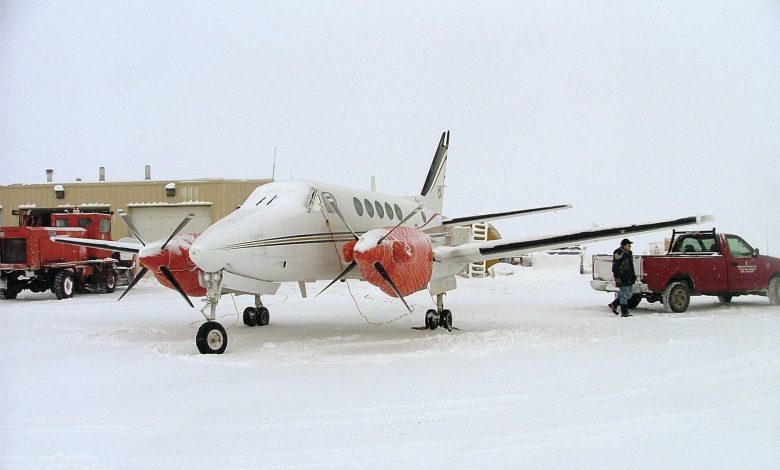
Like it or not, winter weather is upon us here in North America. After a few brief weeks of not as much thunderstorm activity, were headed squarely into a a couple of months featuring widespread near-freezing temperatures and precipitation. From storing our airplane, to preflighting it, picking a route and ensuring our destination doesnt have any slippery surprises, winter weather will have an impact on our operations, likely even if we stay in the pattern at a Southern California airport.

Read More »

Brave New World

Toward the back of the magazine youre holding in your hand, in our Quick Turns department, theres a news item about the FAA formally transitioning to the ICAO-standard/international flight plan form for all domestic non-military operations. If youve been paying attention over the last few years, as we have, youll be happy to know a process that has seen several earlier deadlines come and go seems to have finally staggered across the finish line. As of August 27, the international flight plan form is the law of the land, so to speak.

Read More »

Airborne Hot Spots

The FAA defines a hot spot as a location on an airport movement area that demands heightened attention by pilots and vehicle operators due to the history of potential collision or runway incursion. Knowing where any hot spots are at the airports you intend to use arms you with useful risk management information. Meanwhile, the FAA has gone sort of nuts with the airport hot spot concept. Dont believe me? Check out the airport diagram for Addison Airport (KADS) in Dallas, Texas, below. Every taxiway intersection east of the runway is a hot spot.

Read More »

More Cockpit Stress

In the May 2019 issue, I couldnt help but note the connection between Key Dismukes article Stress in the Cockpit and Mr. Burnsides observations in Cockpit Communication. When there is poor communication in the cockpit, stress levels are going to rise. It doesn’t matter if the communication shortfall takes place in the air or on the ground. Two of the four categories of errors made by airline crews that were pointed out by Dr. Dismukes were inadequate comprehension, interpretation, or assessment of a situation, and inadequate communication. These categories are faithful descriptions of the failure to explicitly define and communicate expectations that your friend experienced with his flight instructor.

Read More »

#OSH19

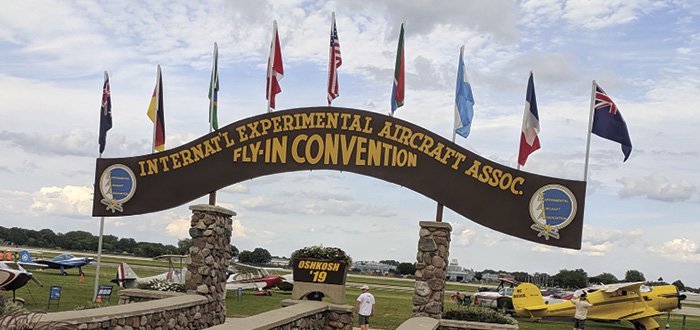
Once again, the Experimental Aircraft Association in July pulled off another great AirVenture fly-in at its home in Oshkosh, Wis. This years event had a little of everything, including torrential rain the Friday evening before Mondays opening day, nighttime air shows and lots of airplanes of every shape, size and purpose. Perhaps because the pre-show rain knocked everyone off-kilter-followed by mid-week heat-the overall event seemed to need more cowbell, but it definitely was worthwhile checking out all the new stuff and checking in with long-time friends.

Read More »

IFR Route Changes

Sitting around and talking with pilot friends, you hear nonstop talk about aircraft and equipment. Eventually, someone always brings up ATC in conversation. Pilots argue among themselves more intensely than Socrates debating Plato. One question that new and even veteran pilots bring up is why, when they file an IFR flight plan, that their clearance is usually never as filed but includes a route change of some sort.

Read More »

Laters And Waiters

In the decade-plus since the coming ADS-B mandate became a thing for U.S. aviation, those whose operations will be affected have fallen mainly into two camps: early adopters and those who put it off as long as possible. In this binary world, I freely admit to being something of an early adopter. And despite some cool-and less expensive-new gear on the market, Im happy with my choice to equip with ADS-B in 2016. Its likely those who have taken a wait-and-see attitude also are happy.

Read More »

NTSB Reports

After a low pass over the field, the pilot returned to land. On final approach, he was blinded by [the] sun and the tailwheel hit vines growing near the airstrip, causing the airplane to stall. The left wing, left main landing gear and propeller were damaged during the hard landing. According to the NTSB, [b]ecause the pilot did not hold a current pilot certificate, nor did he meet the medical certification requirements, he was not legally authorized to act as pilot-in-command of the airplane at the time of the accident.

Read More »
Pilot in aircraft
Sign-up for newsletters & special offers!

Get the latest stories & special offers delivered directly to your inbox.

SUBSCRIBE