











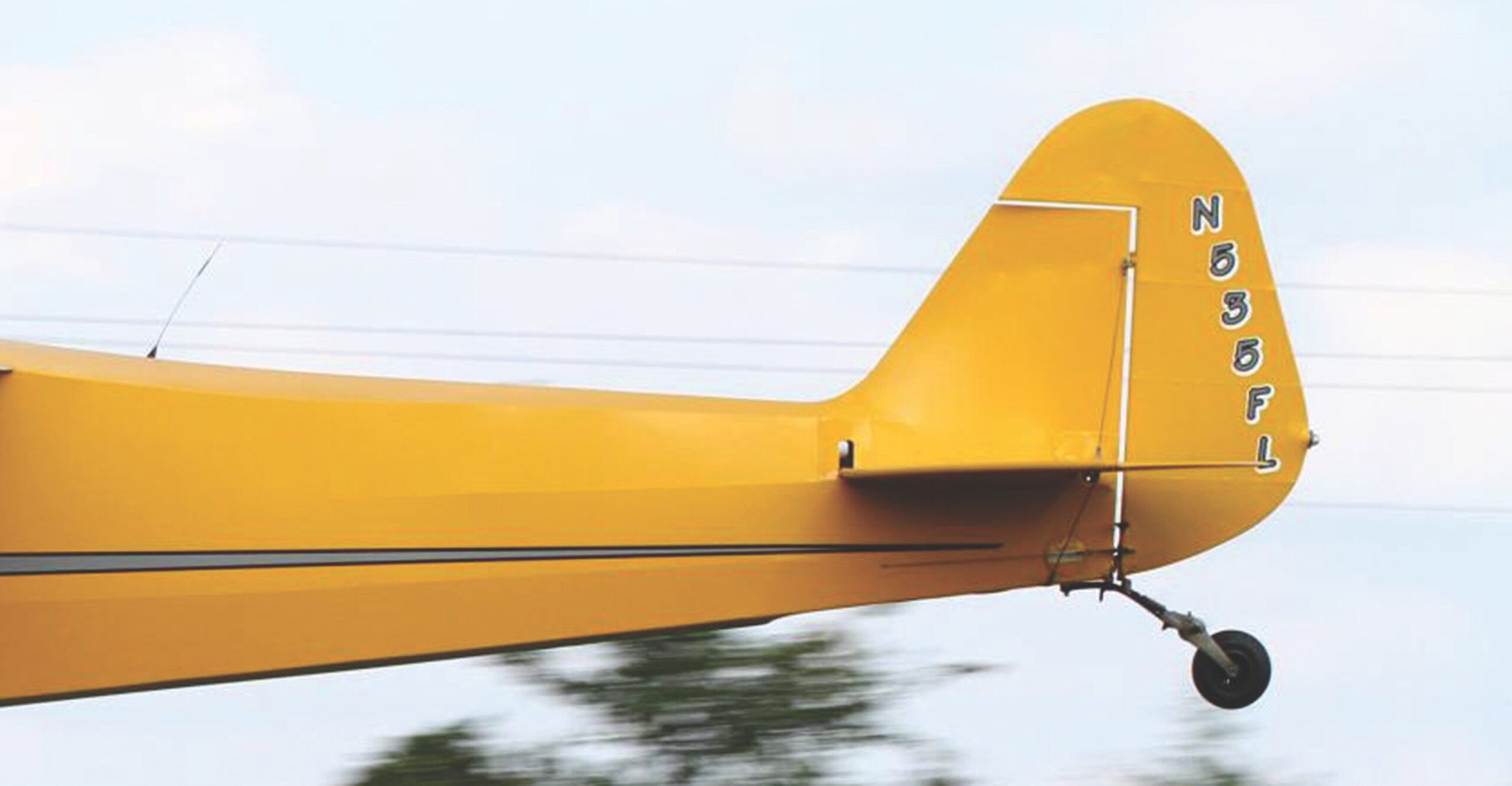


If you spend much time hanging around a traditional FBO, chatting with its denizens, it won’t be long before the topic rolls around to using an airplane’s rudder. The discussion will evolve to include how pilots trained on tricycle gear airplanes—i.e., most of them—don’t use the rudder enough. An old-timer will chuckle and tell a sad tale about some hapless pilot who ran over a runway light during a crosswind landing. Others will earnestly caution that flying a taildragger without a thorough understanding of how to use the rudder will quickly result in a groundloop. An instructor will dish about a student whose every stall demonstration almost turned into a spin.
There are kernels of truth in these stories, but much of the discussion’s real value is entertainment. Many of these tales originated in a time when now-vintage airplanes were newer and their characteristic adverse yaw resulting from aileron deflection rewarded timely rudder inputs and highlighted leaden feet. Over time, Darwinian selection of airplanes—and their pilots—has brought us to the point where rudder use in a modern airplane is ubiquitous under most conditions because there’s so little of it needed in normal operations. Exceptions prominently include runway operations, slow or maneuvering flight, crosswinds, any kind of aerobatics and the aforementioned taildragger (especially on the runway). So it shouldn’t be a surprise when active yaw control becomes necessary. But it often does. In fact, a classic loss-of-control accident sequence involves slow flight and/or low-level maneuvering to the point where the wing’s critical angle of attack is exceeded. Keeping the ball centered when the stall occurs helps prevent a spin and gives us a fighting chance to recover.

