Airmanship

Gadget Addiction

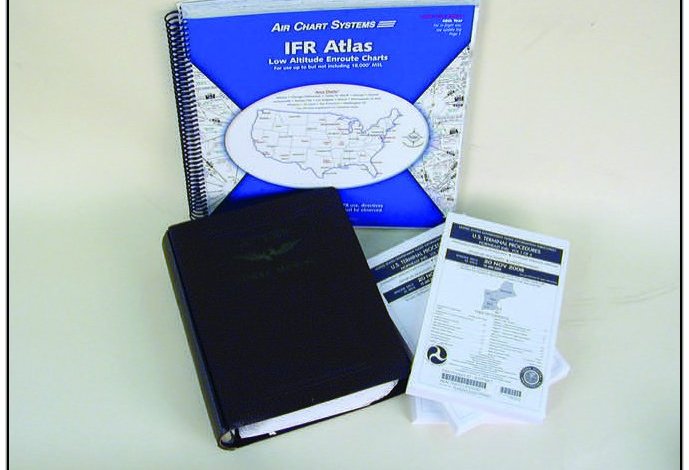
I chuckled reading Mike Hart’s comments on reverting from his in-cockpit gadgets to paper (Addicted To Gadgets? June 2017). I fly my Cirrus with a Garmin Perspective, but just attained my commercial license using a 1967 Piper Arrow II, since I needed a retractable-gear airplane. These good friends keep their planes in top shape, but it was a similar experience to Mike’s 135 challenge. The club has three retracts and I would move between each one until I decided which one to test in. Between the Arrow IV, 172RG and the Arrow II, I finally decided on the II.
Read More »

NTSB Reports: July 2017

At about 0842 Eastern time, the two airplanes were destroyed in an in-flight collision. The airline transport pilot flying the Cessna and the airline transport pilot flying the Grumman were both fatally injured. Visual conditions prevailed.

Read More »

Two Levers Over

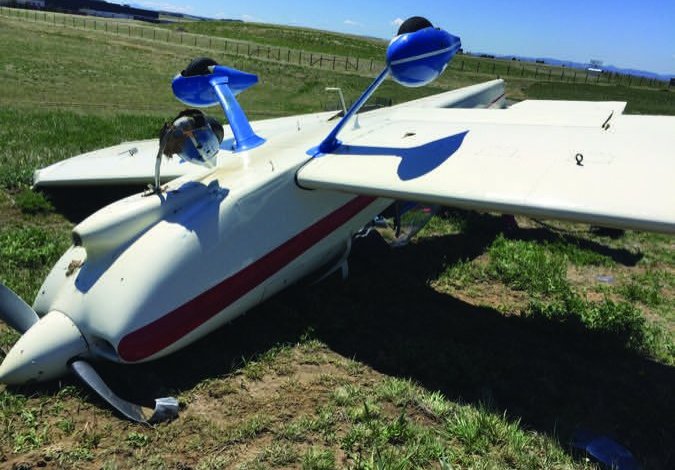
Hanging upside down in a three-point harness certainly gives you a new perspective on flying. Especially if you are on the ground, in the grass, beside the runway. My first thought was unprintable, but my second thought was, How did that just happen?

Read More »

Smooth Transitions

At some point in your flying career, you likely graduated from your trainer to flying different aircraft. Maybe you gained access to a fleet of aircraft through a club or flight school, an FBO or a Part 135 charter company. Or you moved to light sport aircraft, a plane you built or a plane you bought. Perhaps you stepped up quickly to higher-performance aircraft, those with more horsepower that can swing gear or have two engines.

Read More »

Maintenance Safety

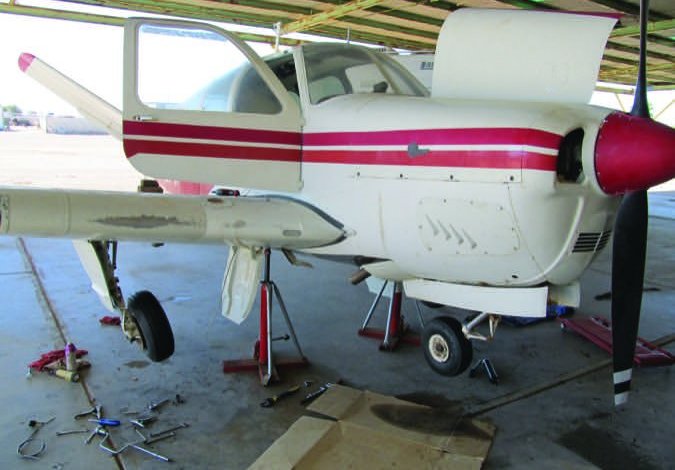
Many of us recognize one of the ingredients to making our flying less risky and safer is good maintenance. At the same time, sometimes we give little thought to ways to make aircraft maintenance itself less risky and safer. The fact is the typical private-pilot-or-better performing preventive maintenance under FAR 43, Annex A doesnt pay enough attention to safety while working on aircraft. Some professionals dont either.

Read More »

More On Pireps

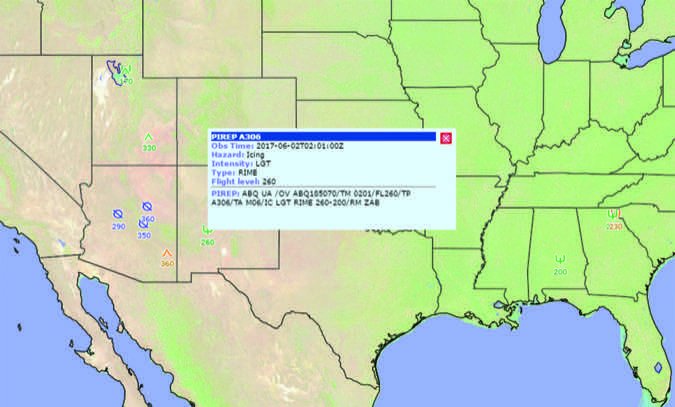
Last month in this space, we reported on a Special Investigative Report (SIR-17/02) from the NTSB, Improving Pilot Weather Report Submission and Dissemination to Benefit Safety in the National Airspace System. Its a 68-page collection of everything thats wrong with the Pireps system. We also highlighted as most interesting one of the NTSBs recommendations: for the FAA to provide a reliable means of electronically accepting pilot weather reports directly from all users.

Read More »

Constant Contact

Theres really no question that maintaining radio and radar contact with ATC significantly adds to flight safety, whether youre IFR or VFR, and whether youre going somewhere or just boring holes. But its vitally important to remember that when your communications are lost, airplanes fly on physics discovered by Bernouli, not on communications pioneered by Marconi.

Read More »

Soaring School

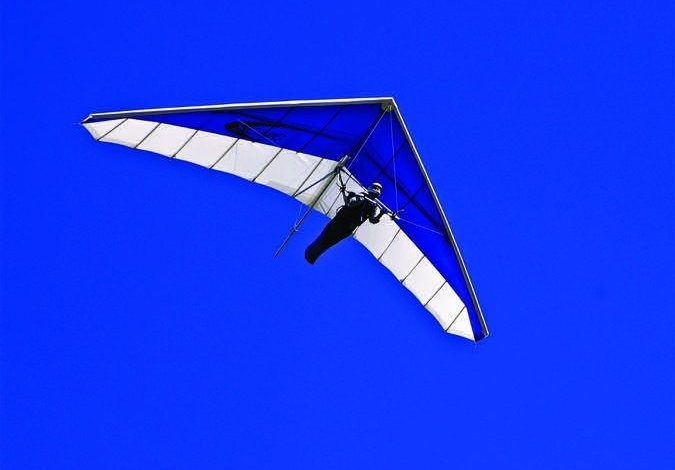
The first years and hours I spent aloft werent really loggable toward an FAA pilot certificate. Thats because I was doing it from a hang glider, jumping off the side of a mountain, wearing a helmet and strapped to a wing. I was the landing gear. It was more of a sport than a form of transportation, but that early exposure to flight taught some lessons that were easily transferred to powered airplanes. I went on to earn my private and an instrument rating, and have flown some interesting airplanes along the way.

Read More »

Download the Full July 2017 Issue PDF

First, its important to distinguish between fees an airport may levy and those of the FBO use of its facilities. Airports often levy their own fees but depend on the FBO to collect them. To pilots, this can be a distinction without a difference, and the FBO can come off as the bad guy. Meanwhile, pilots need to know before they land how much they should expect to pay for the privilege of using the airports and FBOs facilities, especially if its a single-FBO monopoly. They also should have the option of paying a minimal fee for minimal service. So, two things should happen, in my view.

Read More »

Pushrods

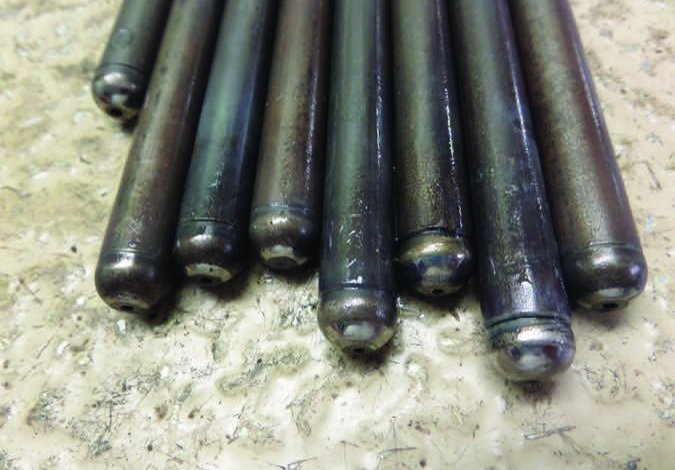
The number 3 cylinder exhaust pushrod broke, due to a valve stuck in the closed position. The valve was not stuck at the time of the investigation. No marks were seen on the top of the piston as viewed through a borescope. The lifter came apart as a result of the broken push rod but appears to have been operating properly prior to the event.

Read More »
Pilot in aircraft
Sign-up for newsletters & special offers!

Get the latest stories & special offers delivered directly to your inbox.

SUBSCRIBE