Airmanship

Detection Tools, Then And Now

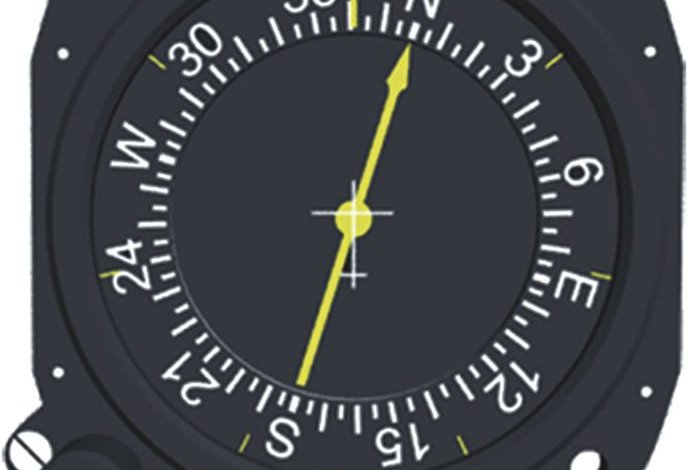
In the beginning, airborne lightning detection was a bug, not a feature. Older radios, especially the automatic direction finder (ADF), tended to fall down when thunderstorms and associated lightning were about. Communications became filled with static and the ADF needle pointed to the lightning, not the desired station. Soon, enterprising pilots figured out the ADF was pointing at a dangerous part of the thunderstorm and used it as an avoidance tool, coarse though it was. Then, weather radar become small and light enough to routinely be fitted to transports, relegating the ADF to pointing at outer markers again.

Read More »

Managing Lightning

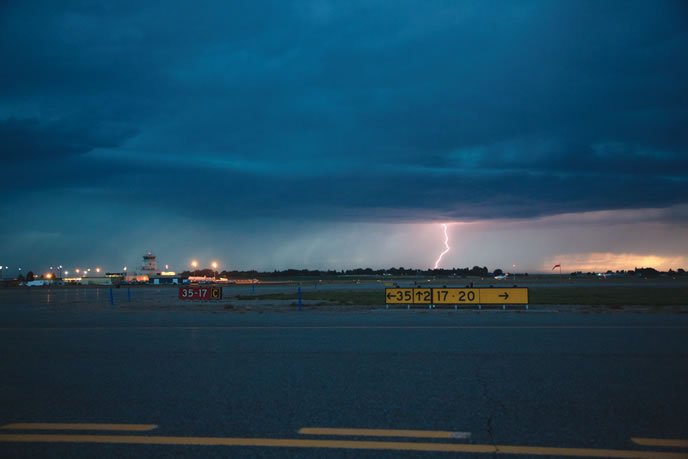
Lightning always gets your attention. It should. On average, 51 people die in the U.S. each year from lightning strikes, making it the second-most common cause of storm-related deaths in the country, behind only floods. Hundreds more people are struck by lightning each year in the U.S., resulting in significant injury. Lightning strikes, however, mostly affect people on the ground and generally cause little to no injury to pilots in the air despite NOAA estimates that there are about 25 million lightning strikes in the U.S. each year.

Read More »

Where were going, we dont need roads

The private pilot/owner planned to fly to at least two back country airports in a neighboring state. His first destination was an unpaved USFS strip. The runway, oriented 11/29, was reported to be 2765 feet long and 50 feet wide. It was located in a narrow valley, and situated about 30 feet southwest of the main road that transited the valley. An unpaved road exited the main road immediately southeast of the threshold of Runway 29, and then turned northwest to initially merge with the runway. About 300 feet northwest of the threshold, the unpaved road diverged slightly southwest of the runway, before assuming a track separate from but parallel to the runway.

Read More »

Of Prop Strikes And Other Mischief

Prop strikes are more common than most pilots realize. Depending on the circumstance, they dont have to be reported to the NTSB if damage is not considered substantial. But if you have ever had to pay for a new prop or an engine tear-down, there is no way on earth youd consider a prop strike minor. They are to be avoided.

Read More »

Off The Beaten Path

Private pilots are required to demonstrate soft-field technique before they earn their certificates. The FAA, however, doesnt require you to demonstrate that skill on an actual soft field. Perhaps they should. Its too easy to find examples of pilots filling out reports of accidents and incidents involving unpaved landing surfaces. Based on my experience and those of other pilots like me, there are many novel ways a pilot can screw up when venturing off pavement. Insurance companies know this and often restrict operations to paved runways.

Read More »

Testing For Differences

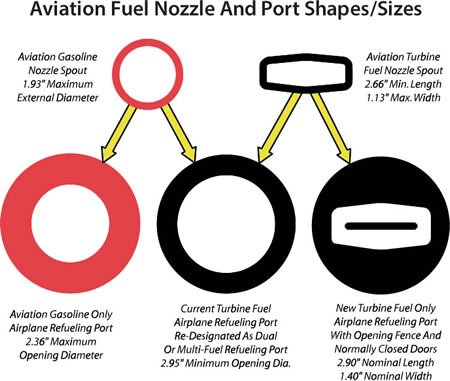
In well-lit hangar and separated into nice clean glass containers, its easy to tell the difference between 100LL aviation gasoline and kerosene-based turbine fuels like Jet A. In the field, not so much: Fuel tanks are dark places, and shining a flashlight onto a liquid rarely helps identify what it is. Draining some fuel into a sampling cup and comparing it to what youre looking for may not help, either, since jet fuel typically is clear (or straw-colored) and may not appreciably change the tint of 100LL.

Read More »

Misfueling

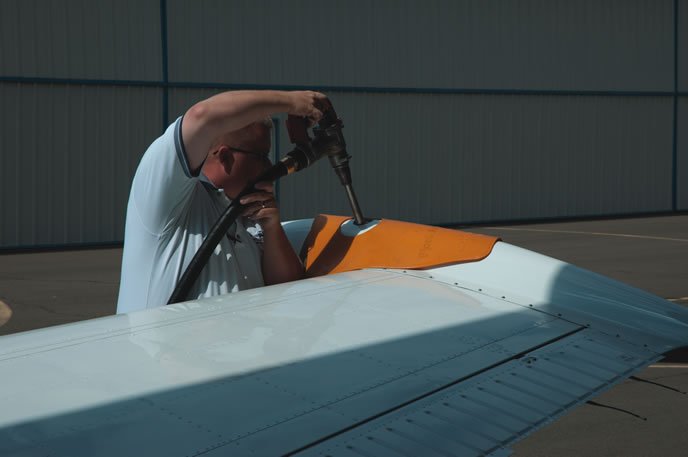
My first ride in a DC-3-way back in the cheap seats-could have been my last. It was the mid-1980s, and the old girl had been outfitted to demonstrate early moving-map technology. The tech was so early, in fact, that a DC-3 was needed to accommodate all the electronics that now fit into a smartphone. To make a long story short, a 30-minute demonstration ride became a lengthier weather- and fuel-related diversion. As the crew and passengers disembarked to stretch our legs before the last leg home, a fuel truck pulled up to add some much-appreciated dinosaur juice. It said Jet A on the side.

Read More »

Saving The MU-2

On September 30, 2005, then-Director of FAAs Flight Standards Service, Jim Ballough, noted in a letter to the types owners/operators, and to maintenance technicians, the MU-2 series airplane has been involved in 11 accidents over the past 18 months, with a total of 12 fatalities. The letter announced the agency urgently was undertaking an in-depth safety evaluation and added, performance expectations and control techniques common in other turboprop twins do not necessarily transfer to flying the MU-2. Balloughs letter acknowledged the widespread perception that the airplane had a problem, thanks to its wing design and use of spoilers for roll control, which had been building for years.

Read More »

The Non-Type-Rating-Rating Alternative

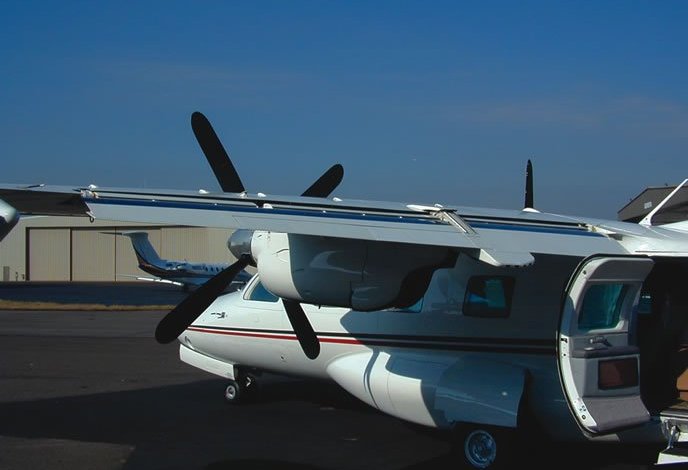
Consider what it takes for the FAA to deem one aircraft type so, well, finicky, for lack of a better word, that it warrants its own special federal aviation regulation setting out specific training requirements for its pilots. Part of the answer is reflected in the image above, of an MU-2s upper wing surface. Note the multiple-slotted Fowler flap. One can just make out the spoiler used for roll control.

Read More »
Pilot in aircraft
Sign-up for newsletters & special offers!

Get the latest stories & special offers delivered directly to your inbox.

SUBSCRIBE