













Detection Tools, Then And Now

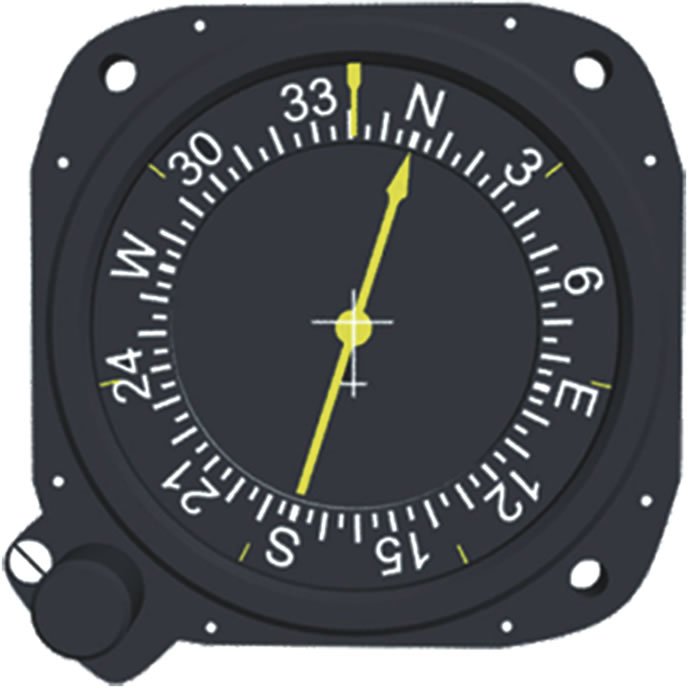
In the beginning, airborne lightning detection was a bug, not a feature. Older radios, especially the automatic direction finder (ADF), tended to fall down when thunderstorms and associated lightning were about. Communications became filled with static and the ADF needle pointed to the lightning, not the desired station. Soon, enterprising pilots figured out the ADF was pointing at a dangerous part of the thunderstorm and used it as an avoidance tool, coarse though it was. Then, weather radar become small and light enough to routinely be fitted to transports, relegating the ADF to pointing at outer markers again.


Gemini Sparkle

Key Takeaways:

  • Pilots initially repurposed interference on older radios like the ADF to coarsely detect and avoid thunderstorms and lightning.
  • Dedicated "sferics" devices, such as the 3M Stormscope and Insight's Strikefinder, later provided more accurate lightning azimuth and estimated range for general aviation.
  • Modern aviation technology now offers pilots sophisticated, near-real-time lightning information, plotable on electronic maps, as a critical tool for widespread thunderstorm avoidance.
See a mistake? Contact us.

In the beginning, airborne lightning detection was a bug, not a feature. Older radios, especially the automatic direction finder (ADF), tended to fall down when thunderstorms and associated lightning were about. Communications became filled with static and the ADF needle pointed to the lightning, not the desired station. Soon, enterprising pilots figured out the ADF was pointing at a dangerous part of the thunderstorm and used it as an avoidance tool, coarse though it was. Then, weather radar become small and light enough to routinely be fitted to transports, relegating the ADF to pointing at outer markers again.

Later, small, light and inexpensive thunderstorm detection devices known as sferics—the 3M Stormscope and Insight’s Strikefinder are examples—began finding their way into GA panels. The plotted azimuth was relatively accurate and an algorithm estimated range, giving pilots ample opportunity to detect storms along their route and divert if necessary. But the underlying technology used to detect lightning’s electrical discharge remained much as it was when the ADF needle was doing the work.

Thanks to today’s more sophisticated detection technology, pilots of even the lowliest piston single can access near-real-time lightning information and plot it on an electronic map overlaid with the flight’s course. It’s one of many tools—including the Mk. I, Mod. 1 eyeball and datalinked Nexrad weather radar—we can use to detect and avoid thunderstorms and the lightning giving them their name.

Ready to Sell Your Aircraft?

List your airplane on AircraftForSale.com and reach qualified buyers.

List Your Aircraft
AircraftForSale Logo | FLYING Logo
Pilot in aircraft
Sign-up for newsletters & special offers!

Get the latest stories & special offers delivered directly to your inbox.

SUBSCRIBE