Airmanship

Flying On The Ground

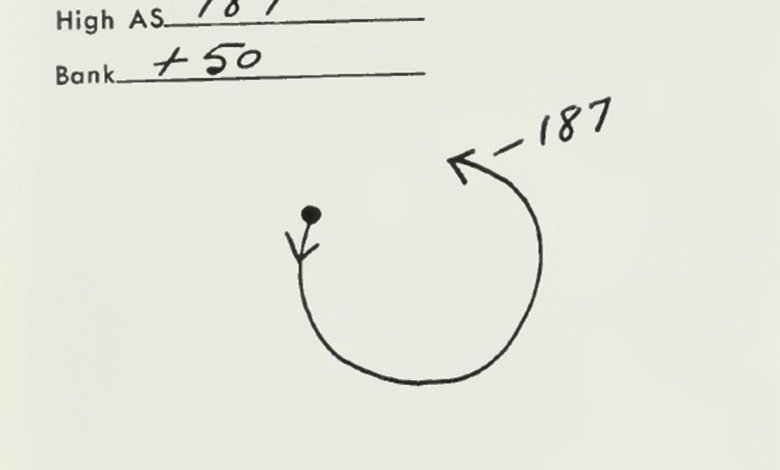
Your primary training probably included a diagram explaining where the elevator and aileron controls should be positioned based on where the wind is coming from while taxiing. When we have such wind conditions-and even when we dont, if we want to be honest- we can and should use the ailerons to help control the airplane on the ground. Alas, we dont always have that diagram available, and its easy to forget whether the upwind wings aileron should be down or up. (Hint: It depends.) Lets try to come up with a one-size-fits-all understanding of when and how to use ailerons on the ground.
Read More »

Child Is My Copilot

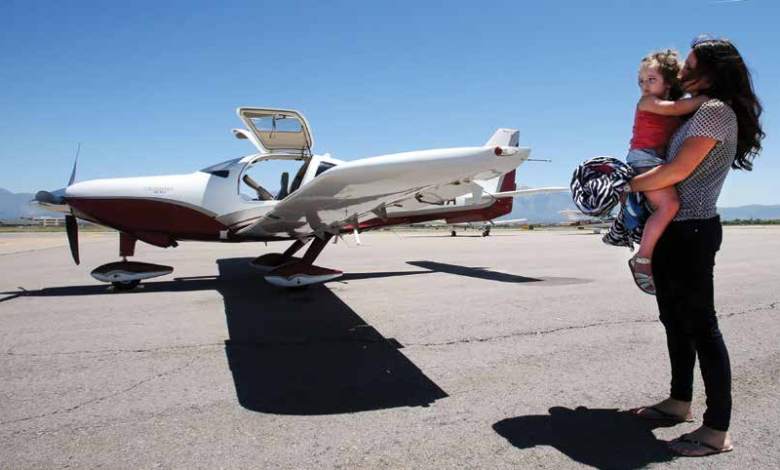
Squirreled away in a shoe box somewhere, I have a 3 x 5 print (remember those?) of my then-infant son bundled into the back seat of a Cessna 172. It was his first flight, and Im proud to have been the pilot to initiate him, even though he doesnt remember it. I dont have a formal record, but both he and my slightly younger daughter have since logged enough time as my passengers to easily meet the minimum total time required for a private certificate. But before that first flight, his mother and I researched what steps we could take to make it successful.

Read More »

Three IFR Curveballs

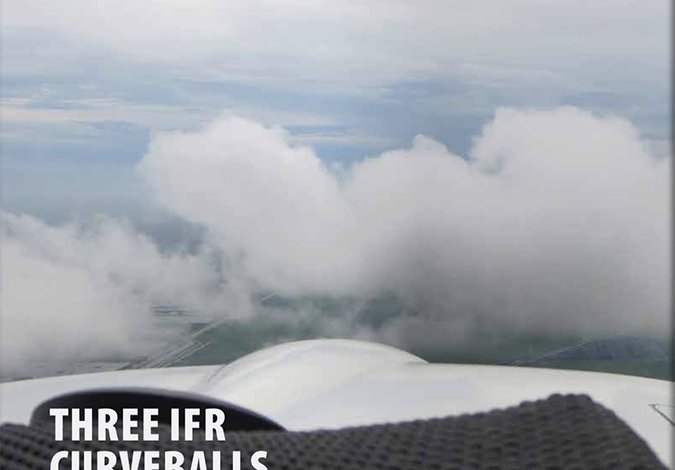
Flying IFR can get deceptively routine. Most of the time, it means taking off, climbing, cruising, descending, and an approach and landing-all along well-defined routes and usually in VMC. The majority of IFR pilots tend to fly the same routes and procedures again and again, to the point they might memorize communications frequencies and even approach minimums. Its possible to be extremely proficient at the type of flying you usually do while letting other skills atrophy.

Read More »

Cockpit Communication

I recently had the chance to chat with a long-time friend and pilot about some issues he had with an instructor while working through a flight review. The friend was concerned about the instructors critique of his flying, which included comments like, I didnt expect you to do that, and I would have done it differently. The friend wasnt necessarily complaining about the critique itself but the after-the-fact manner in which it was supplied. Ultimately, it undermined his confidence and he chose not to fly with that instructor again, taking his chances with someone different.

Read More »

Local Phenomena

Checking the weather for a short afternoon flight showed visibility of more than 10 sm and clear skies locally, with a barely moving front off to the west. The forecast showed nothing unusual, although clouds and limited visibility were expected to arrive with nightfall several hours after my anticipated landing time. The temperature/dew point spread was narrow, but around the Great Lakes, we often had high humidity content at lower altitudes as moisture blew in off the water. Seeing ground-level dewpoints only a few degrees away from temperatures wasnt concerning. Overall, the weather looked great for a local sightseeing flight in the late afternoon.

Read More »

Odds And Ends

This issue likely will hit your mailbox just before the Sun n Fun International Fly-In Expo in Lakeland, Fla. The annual event informally kicks off each years air show season, and 2019 will be no different. If you plan to attend SnF or any other fly-in event (cough, EAA AirVenture, cough), youre not alone. In fact, thousands of your closest friends are planning the same thing, and well all want to arrive and depart at more less the same time.

Read More »

Disoriented Scans

Fine article about bounced landings. Preventing them should be primary but when we do get a bounce, for some airplanes the recommendation is not to save the landing but just to go around. A number of years ago, there was a series of fatal Cirrus bounced landing accidents. Im not sure if there were official findings that gave common cause, but one theory was that the fixed landing gear acted like a pogo stick and was unforgiving of too much energy on touchdown. The finesse that you describe to salvage this type of bounce was not easily done by some pilots.

Read More »

Survive Inadvertent IMC The Old-Fashioned Way

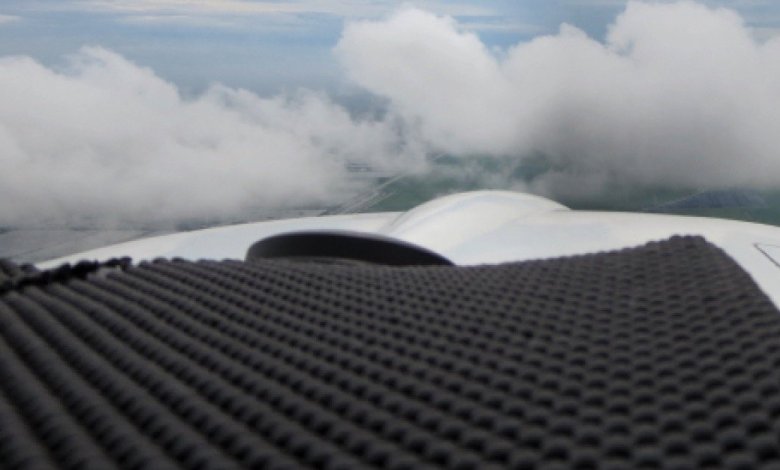
if youve been around general aviation for any time at all, by now you should not be surprised to learn that attempted VFR flight into instrument metereological conditions (IMC) and its close cousin, loss of visual references at night, consistently rank as the most lethal type of GA accidents. Although the numbers (thank goodness!) have recently begun to decline, about seven out of every eight-nearly 90 percent-of those accidents are still fatal. Thats largely because, as current NTSB Vice Chairman Bruce Landsberg puts it, they tend to end in flight into terrain, either controlled or (more often) uncontrolled. In both cases, prospects for survival are meager.

Read More »
Pilot in aircraft
Sign-up for newsletters & special offers!

Get the latest stories & special offers delivered directly to your inbox.

SUBSCRIBE