Airmanship

The Transactional Pilot

The advent of the direct to GPS button, which allows us to fly a straight line between two points, was instant gratification for efficiency-loving pilots, especially since IFR flights no longer needed to fly inefficient tinker-toy flight paths connecting VORs as long as ATC cooperated. But instant gratification also came with instant risk tradeoffs. The biggest of them is not obvious until you look beneath the magenta flight path where there might not be many, or any, airports.
Read More »

Air Traffic Awareness

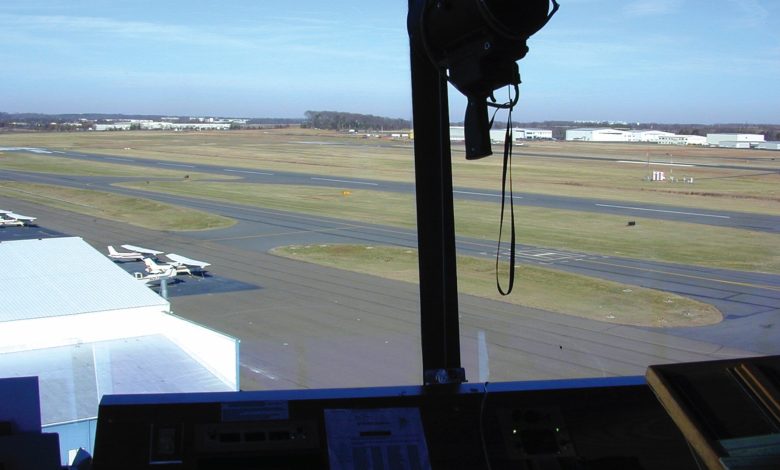
Tom Turners February 2019 article, The Big Picture, highlighted for me that we should find ways to continuously improve the way we operate within the National Airspace System (NAS) and one way I can help-to give back, if you will-is to try explaining to pilots more about what goes on in the towers, Tracons and Centers throughout the U.S. Its not mysterious or difficult to understand, but it may be different from what you have been told, or told to expect.

Read More »

Autopilots

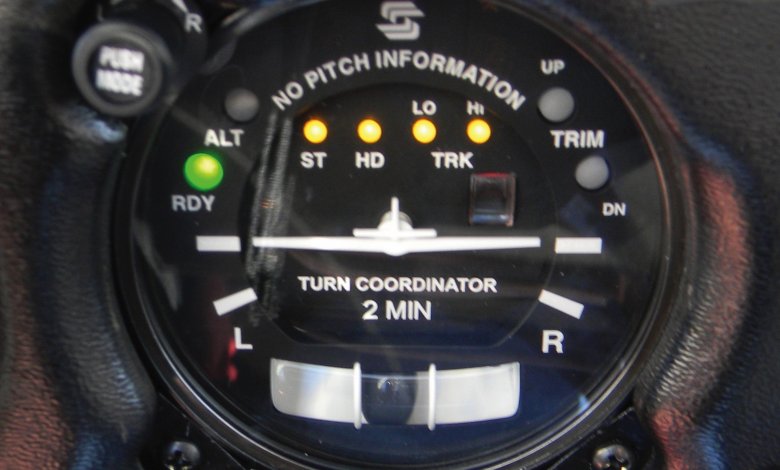
While in IFR cruise at 4000 feet, the pilot observed the flight director command bars move out of view as the airplane started a gradual descent. When the pilot corrected, the electric trim started to run nose down and the aircrafts descent rate increased. The pilot attempted to disconnect the autopilot and trim with the control switches and the red disconnect switch. None of this had any effect. With the turbulence and conditions, the pilot was unable to reach the autopilot and electric trim circuit breakers. After all other remedial procedures had failed, he shut off the avionics master switch at about 1000 feet and recovered the airplane at about 500 feet.

Read More »

NTSB Reports

Upon raising the landing gear after takeoff, the gear motor continued to operate longer than normal, and the pilot heard an abnormal sound toward the end of the sequence. The right main gear was hanging at about a 45-degree angle, and the left main gear was not visible. The pilot completed the appropriate checklists, without change. The pilot declared an emergency and ATC confirmed during a fly-by that the main gear was not extended. During the landing, the nose gear remained extended and the two main gear were retracted. The airplane came to rest on the runway and the passengers egressed without further incident.

Read More »

Passing The Ride

Expecting that I had somehow unknowingly blown my check ride, we landed, shut everything down and he informed me I had…well…passed! A bit confused but obviously glad I hadnt actually blown it, I accepted the good news not wishing to open my mouth and undo it, and simply thanked him. I never told my instrument instructor what the examiner had said, only that he passed me.

Read More »

Why We Lose Control

The aviation industry in recent years has highlighted loss of control in-flight (LOC-I) as the leading cause of general aviation fatal accidents. Many aviation organizations, including government agencies, have devoted considerable time and resources to target this problem and develop effective mitigations to reduce the number of LOC-I accidents. Much of that effort focuses on a pilot losing control, and how to train and equip to prevent it, because its the final event in the accident chain.

Read More »

Engine-Failure Risks

It fascinates me that many GA pilots of single-engine airplanes cruise at such low altitudes. Theyre apparently oblivious to the fact that they are flying behind a single engine and if it fails you are on short final to somewhere! Extra altitude not only increases your radius of action, it also adds extra time for trouble shooting (which might eliminate the initial problem altogether) and increases the probability that a Mayday call might be heard. The side benefits include greater aircraft efficiency, cooler temperatures in the summer and possibly a smoother ride, in addition to less-congested airspace. Those long, low, flat, power-on final approaches can put you in the trees if your engine even coughs on short final. Keep a little energy in the bank and make it SOP to shoot for a reasonable aiming point on the runway.

Read More »

Control System Servos

At FL400, the autopilot started porpoising and was turned off. Afterward, the aircraft would not trim properly. The crew diverted; it was difficult to keep it pitched down while descending. During the final phase of flight, the yoke was very difficult to input pitch changes, but was okay in the roll axis. After landing, troubleshooting duplicated the problem. Elevator servo (p/n 4006719914) was replaced with serviceable unit.

Read More »

Express Elevator Up

As the morning waned, the weather picture improved greatly, with only scattered showers and clouds over the Mojave Desert and clearing over the west side of the Tehachapi Mountains. We ended up filing to go over Victorville and into Bakersfield to visit family. Soon, we were cruising in VMC at 10,000 feet and looking at the activity over the Mojave. Ahead, there were Pireps for icing above 8000 feet, so we asked for and received routing over Edwards AFB at 6000. Based on what we saw visually and on the FAAs flight information system (FIS-B), we thought we were well out of danger.

Read More »
Pilot in aircraft
Sign-up for newsletters & special offers!

Get the latest stories & special offers delivered directly to your inbox.

SUBSCRIBE