Airmanship

About The MU-2

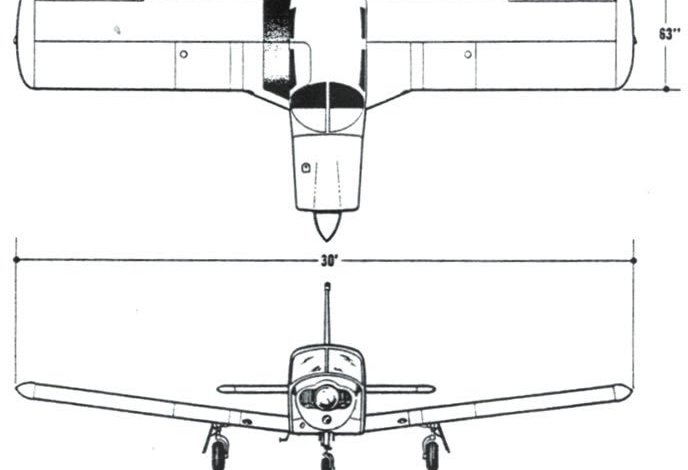
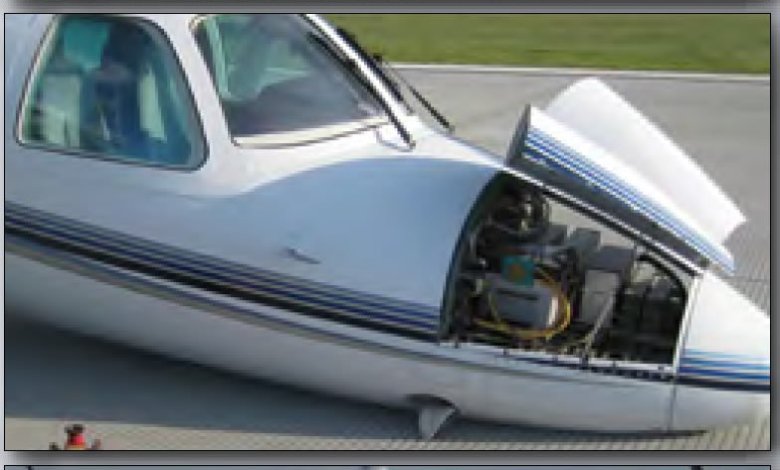
Mitsubishis MU-2 twin turboprop gained FAA type certification in 1965. Initial U.S. production and sales were handled through an arrangement with Mooney Aircraft from a facility in San Angelo, Texas. By 1969, Mooney had fallen on hard times-a familiar theme for the company-and Mitsubishi stepped in to continue production and support. Worldwide production of new airplanes ended in the 1980s, with more than 750 copies having been built.

Read More »

Lessons From Two Fatals

On his first ILS approach, the pilot initially flew through the localizer. The pilot then reestablished the airplane on the final approach course, but about 500 feet too high. He executed a missed approach and received radar vectors for another approach. The airplane was inbound on the second approach when a witness saw the airplane about 150 feet agl in about a 60-degree nose-low attitude with about an 80-degree right bank angle. Probable Cause: The pilots failure to maintain adequate airspeed during the instrument approach, which resulted in an aerodynamic stall and impact with terrain.

Read More »

Valley of the Fogs

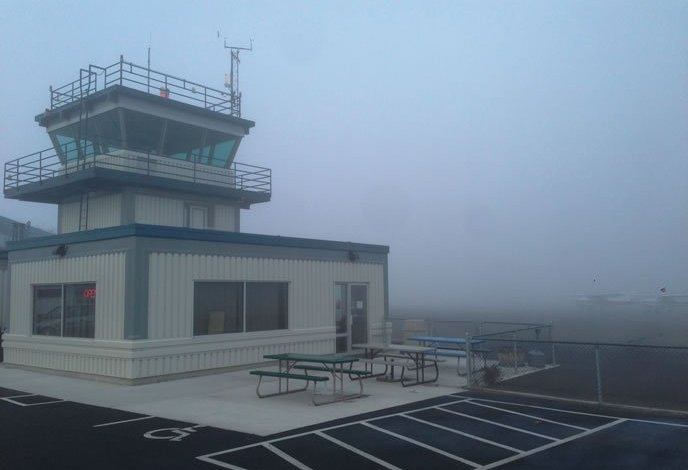
On a recent trip to Richland, Wash. (KRLD), my destination was forecast to have ceilings at 900 feet at the time of my arrival. That is doable IFR for me if there is no ice. During my TAF trend analysis, I saw that both Moses Lake, Wash. (KMWH), and Pendleton, Ore. (KPDT), had TAFs predicting VFR conditions, making them legal IFR alternates. I chose Pendleton because it was more convenient.

Read More »

Pireps and ATC Prompts

Real data is always better than a forecast. Even though Pireps contain only a tiny amount of information, they can be invaluable. Since I fly in the vacant Western U.S., having very few current Pireps is normal for the airports I fly into. Instead, I keep a list of various ATC facilities phone numbers.

Read More »

Weather Models: Theres an App for That

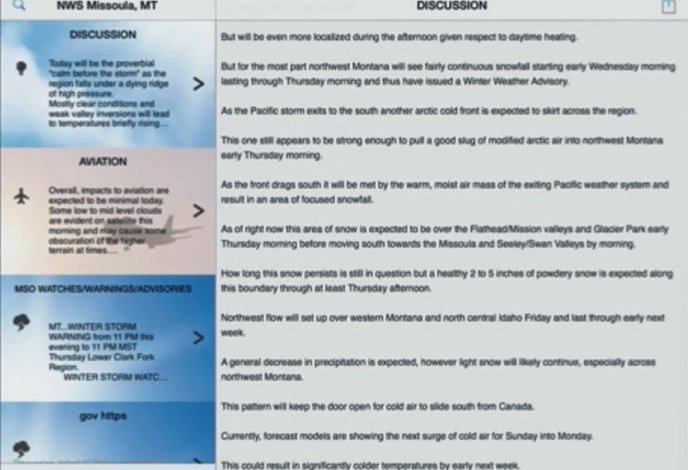
I recently discovered an app called Deep Weather, which has helped me better understand what forecasters are thinking about the forecast models they use to predict weather conditions. The app compiles data from U.S. National Weather Service forecast discussions. Following along can often provide additional clues for the reader about not just what is in the forecast, but why and how confident the forecasters are. The discussions are amended and updated throughout the day, and often are quirky and colorful.

Read More »

Weather Forensics

As I accelerated to 60 knots, I was already picking up a load of ice. It coated the windscreen and formed a thickening layer on the leading edges, I knew Id made the right decision. Instead of flying, I was driving. My car was icing up. The day before, the takeoff forecast was for marginal VMC: a ceiling at 2500 feet agl. My destinations morning fog layer was to break up at 10 a.m. local and be replaced by scattered clouds at 15,000 ft. Wanting to do this trip VFR-only, the picture was for marginal conditions at departure but trending toward good VMC.

Read More »

Pseudo Black Box Functionality

iPads, tablets and various handheld and panel-mounted GPS gadgets are frequently used in NTSB reports for their forensic data. Investigators often can reconstruct flight tracks or view the page the pilot was looking at when the crash occurred. They also can reconstruct other user history, including how recently apps were open, if databases were updated, what weather information was available, etc. In some ways, the NTSB can get much richer data sets about GA accidents than they get from an airliners black boxes.

Read More »

GFR 3.0

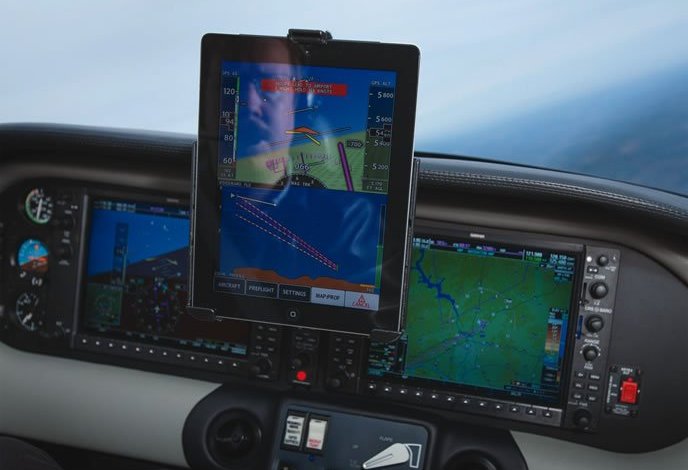
Todays market-leading EFB software offers a much richer feature set than was available even two years ago. One of the driving factors is improved, faster hardware from the usual suspects in smartphones and tablets-Moores Law in action. Another is ADS-B INs free traffic and weather data, which has helped drive the EFB-app market. A third is increased availability and use of electronic attitude and heading reference systems (AHRS), which leverage the miniaturization and proliferation of related sensors developed for the commercial semi-conductor market. These are the same sensors that have revolutionized the drone or unmanned aerial vehicle market, a whole nuther topic. And developers keep coming up with innovative software.

Read More »

Im sorry, Dave. Im Afraid I still cant do that

Despite the very real recent advances in EFB software-including features like ForeFlights synthetic vision and Xavions energy-management capabilities, described in the sidebar on the opposite page-there are some things gadgets still cant do in the cockpit:

Read More »

Gadget Flight Rules 2.0

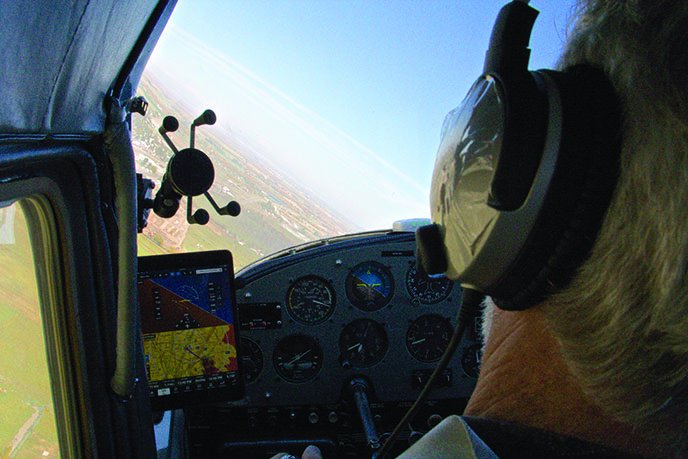
Nearly two years have passed since Aviation Safety introduced the concept of gadget flight rules (GFR) in the December 2013 issue. The original article examined using non-certified gadgets-personal electronic devices running appropriate software-to salvage a flight when your certified instruments fail. The conclusion was, yes, gadgets can provide backup, but the user must understand the novel ways they can help or hinder flight safety. Put another way, gadgets are only as good as our ability to use them; a safe pilot must know and understand their capabilities and limitations as well.

Read More »
Pilot in aircraft
Sign-up for newsletters & special offers!

Get the latest stories & special offers delivered directly to your inbox.

SUBSCRIBE