Accident Probes

Whats Age Got To Do With It?

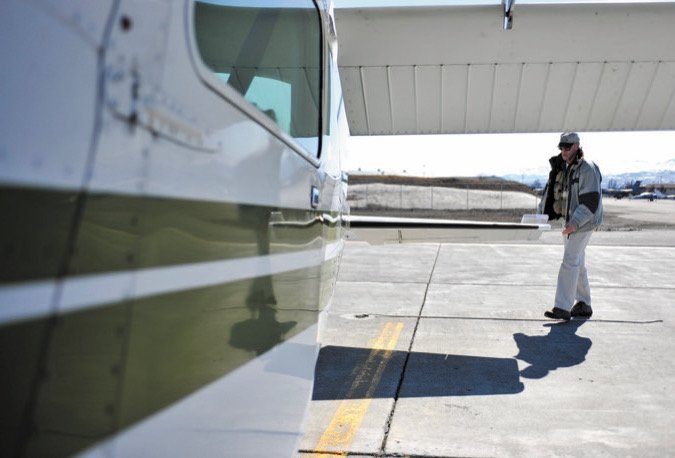
The FAAs BasicMed alternative to a traditional medical certificate is an attractive option for many pilots, especially those of us who are now senior citizens. However, we should recognize that medical issues are not the only factors affecting our ability to fly as we get older. Even in the absence of pathology, age alters our cognitive processes: how we recognize and interpret situations, decide on courses of actions, manage our workload, remember crucial information and skillfully execute our plans. We may joke about our senior moments, but many of us wonder if our ability to continue flying skillfully and safely is being undermined.

Read More »

Download the Full November 2017 Issue PDF

Im not a native Floridian, so I generally pay great attention to local weather forecasts when they include the words tropical storm or hurricane followed by someones first name. And because Ive never seen such weather-beyond the occasional tropical low that spreads relatively benign wind and rain across the state-Ive decided its a life experience I can do without. So it was in September with Hurricane Irma.

Read More »

FAA Targets Incorrect Surface Landings

On July 7, 2017, an Airbus A320 operating as a scheduled Air Canada passenger flight and conducting a night visual approach to Runway 28R at the San Francisco International Airport overflew other airliners positioned on a taxiway and awaiting takeoff clearance. As we wrote in our October 2017 issue, Runway 28L was closed at the time; its lighting was turned off and a 20.5-ft-wide lighted flashing X (runway closure marker) was at its threshold. The Airbus lined up for its landing on parallel Taxiway C, which had four air carrier airplanes on it awaiting takeoff clearance-a Boeing 787, an Airbus A340, another Boeing 787 and a Boeing 737. Subsequent investigation reveals the Airbus crew advanced its thrust levers for a go-around when the airplane was about 85 feet above the taxiway; the minimum altitude recorded on the FDR once the go-around was initiated was 59 feet agl. The Boeing 787 is 55 feet 10 inches high.

Read More »

New To The Airplane

Even relatively simple airplanes, those with welded-down landing gear and a fixed-pitch propeller, can have complicated systems. Most of the time, everything works as intended by the manufacturer and all is well. On rare occasions, however, equipment failures occur. When that happens, its easy to say that excellent systems knowledge will save the day. The reality is somewhat different, and pilots often do not have the time or third hand with which to look up systems information in the airplanes documentation.

Read More »

NTSB Reports

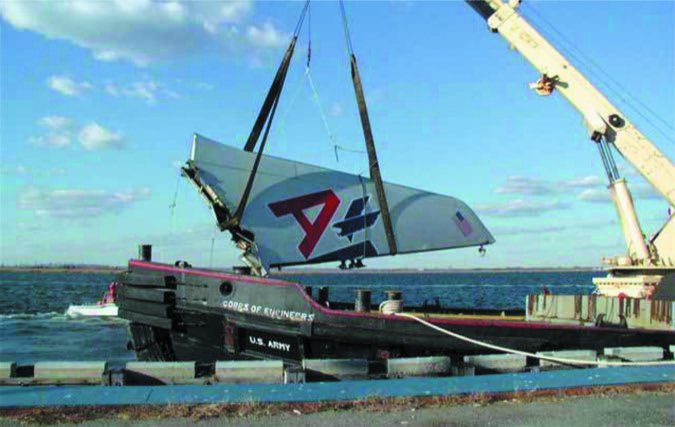
August 1, 2017, Phoenix, Ariz.Grumman AA-1B TrainerAt about 1300 Mountain time, the airplane was substantially damaged when it impacted terrain shortly after takeoff. Both the flight instructor and student pilot sustained serious injuries. Visual conditions prevailed.According to witnesses, after the airplane lifted off and was in its initial climb to the west, the wings started to rock back and forth. The airplane began to descend, struck the airport’s western perimeter fence and collided with terrain before coming to rest on a road bordering the airport.

Read More »

Airports In The Dark

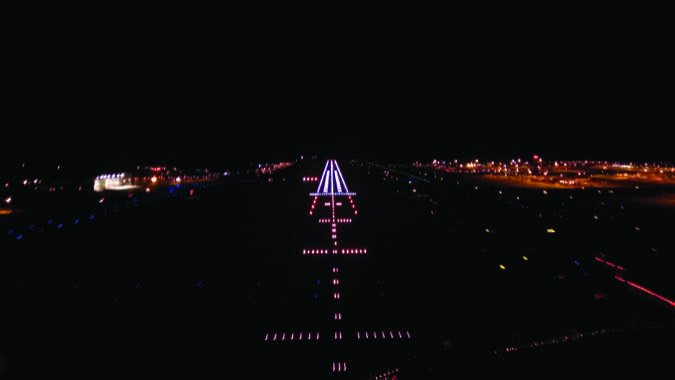
Over the years, Ive flown in and out of a specific airport on numerous occasions, day and night. Its a well-equipped facility, featuring a tower and a local approach control, along with scheduled service, multiple gates, two full-service FBOs and three runways. The nearby attractions are interesting when I want to stop, the food choices are excellent and the airport is a great choice for conducting practice approaches. Theres only one problem: I cant find it at night.

Read More »

IO-520s

Beechcraft Model F33A Bonanza/IO-520Cracked Magneto Impulse CouplingDuring a 500-hour magneto inspection, the impulse coupling was discovered to have cracks in its flyweight base plate. The cracks were detected using magnetic particle inspection and appear to have originated from the sharp-cornered feature of the base plate that forms the full advance stop. Slick p/n M3050.Part total time: 565.0 hours

Read More »

Good IFR Platform?

Thanks for Bob Wrights article in the September 2017 issue, Single-Pilot Challenges. I wanted to comment on a sidebar accompanying the article: What Makes A Good IFR Platform. I agree with the authors take that range, speed and installed equipment all combine to make an airplane enjoyable to fly in the IFR environment. Those lacking similar capabilities obviously can be flown on IFR cross-countries, but come with various shortcomings that may need to be addressed depending…

Read More »

Top Five Tips And Traps

It would be nice if economics didnt force a lot of our flight training into a laser-like focus on getting through the written exam or checkride, and instead encouraged pilots to soak up what we might call extra-curricular aeronautical knowledge along the way. Some of things that can make our flying smarter and less risky just arent on the test. Learning them comes through experience, from a mentor or, if you are a really lucky, a seasoned, lifetime instructor with the time and motivation to go beyond the minimum requirements.

Read More »

Ready For Winter

Having owned an aircraft maintenance facility, Ive seen a lot of expensive damage to airframes and engines over the years directly resulting from improper winter care by the owner. Winter flying can be very rewarding and enjoyable for you and your passengers with the proper planning. But if winter flying isnt your cup of hot tea, and your airplane will sit outside, you may wish to consider what you can do to make that harsh…

Read More »
Pilot in aircraft
Sign-up for newsletters & special offers!

Get the latest stories & special offers delivered directly to your inbox.

SUBSCRIBE