Register

Accident Probes

Avoiding the Cross-Controlled Stall

According to the FAAs Airplane Flying Handbook, FAA-H-8083-3A, this type of stall occurs with the controls crossed-aileron pressure applied in one direction and rudder pressure in the opposite direction. In addition, when excessive back-elevator pressure is applied, a cross-control stall may result. This is a stall that is most apt to occur during a poorly planned and executed base-to-final approach turn, and often is the result of overshooting the centerline of the runway during that turn. The greatest danger from the cross-controlled stall when turning final is not the stall itself but the lack of altitude available within which the pilot may recover.

Read More »

Crossed Up

Traffic patterns arent that hard: Fly a rectangle. One side is the downwind; one side has the final approach and departure paths. Simple, right? Not really. One of the problems is all those turns we have to make align the airplane with the runway or the downwind. And some of those turns are close to the ground, at relatively low speeds and are poorly executed. Sadly, the results of steep turns to final-especially when overshooting the runways extended centerline-can be fatal.

Read More »

Garmins Flightstream

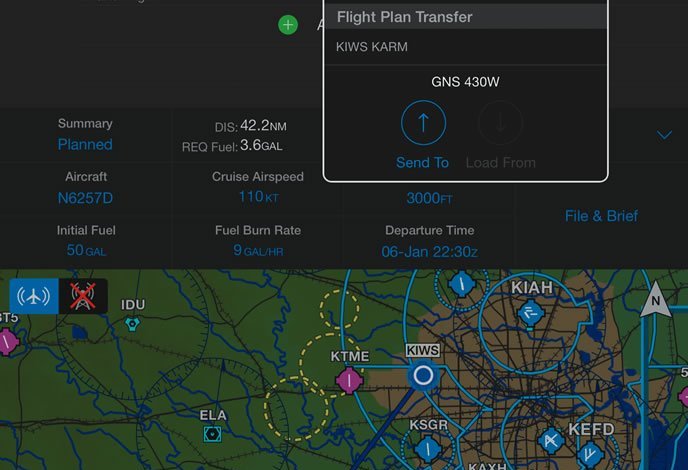
Garmins Flightstream 110/210 is the hardware side of the companys Connext wireless Bluetooth technology, which provides an interface between the companys panel-mounted avionics-the GNS- and GTN-series navigators-and the pilots tablet-based EFB app, as pictured. On a tablet, the benefits of Connext are only available when running Garmins Pilot app, which is available for iOS and Android devices.

Read More »

Bandwith

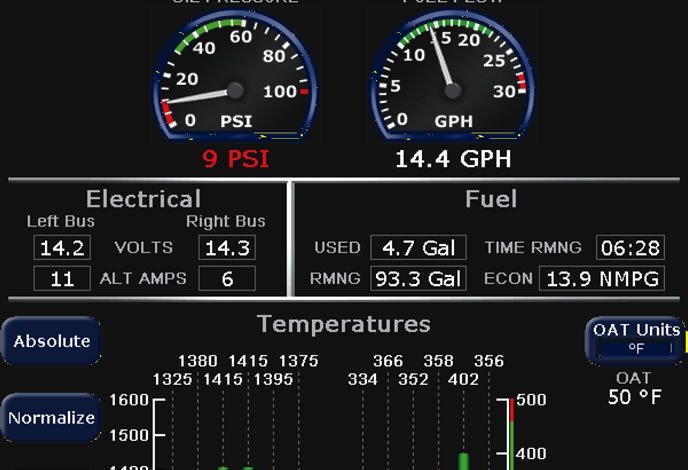
I dont recall if it was a checkride, or just a flight with a friendly instructor putting me through some maneuvers. At some portion during it, however, the right-seater asked me what the single engines oil pressure was reading. It must have been a frustrating ride for me, because I responded with something like, I guess its still in the green, because the engine hasnt quit, but Ive been so busy I havent had time to look. My response didnt go over well, but we both may have learned something from it.

Read More »

Reconstructing The Data

According to the NTSB, Data downloaded from the primary and multifunction cockpit displays indicate that the engine began steadily losing oil pressure during the airplanes initial climb until it leveled off at a cruise altitude of 5000 feet msl. Data suggest that, at that time, the pilot leaned the fuel mixture for cruise flight. Although the pilot could have detected the decreasing oil pressure at that time, [s]he did not report a loss of fuel pressure and engine power to the air traffic controller until about six minutes later.

Read More »

Anatomy Of Failure

These three photographs document the damage to the F-16s wheel (top) and tire (middle). Most of the wheel damage occurred when it struck a slightly elevated lip in the runway pavement at around 100 knots, well after the tire had failed. Remains of the tire include its circular bead structure and what was found of its tread and sidewalls.

Read More »

A Good IFR Platform?

Especially if we include Experimental aircraft, there are many different makes and models from which owners and operation may choose, each of them having their own set of features. Whether we want an aircraft to perform aerobatics, do aerial application, conduct training or even engage in cargo operations, theres a model out there, somewhere, optimized for the mission. But all aircraft embody compromises: none literally can do everything.

Read More »

Misconfigured

Weve all performed a go-around at one point or another, certainly in training. Many of them are begun at some altitude close to the runway, when it becomes obvious a go-around is preferable to rolling off the end of the runway. In most of the airplanes we fly, going around can be a relatively simple matter. It is, however, a high-workload maneuver and can require some finesse.

Read More »

Making Your Own Luck

One of this magazines missions is to help reduce general aviations accident rates. Ideally, there would be no fatalities. We want to see an end to poverty and war, too, but were not holding our breath on either. In the world of aircraft, a mechanical world, things are still going to break and pilots are going to have to respond quickly, thoughtfully, and appropriately in order to make aircraft accident fatalities go away. Sometimes they may have to augment that skill with luck, too.

Read More »
Pilot in aircraft
Sign-up for newsletters & special offers!

Get the latest stories & special offers delivered directly to your inbox.

SUBSCRIBE