Register

Accident Probes

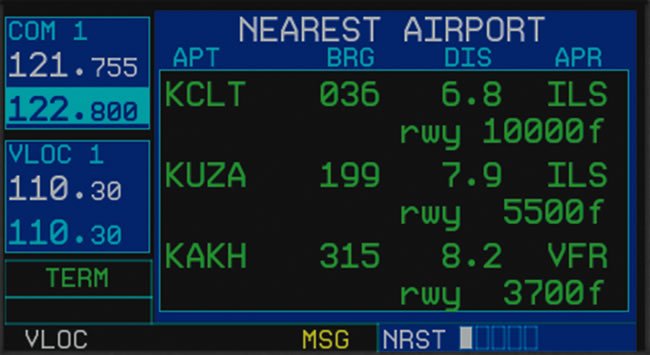
Planning To Divert

Pilots, being independent-minded-perhaps to a fault-and mission-oriented, dont launch on a flight intending to land someplace other than their destination. Overcoming that mindset and accepting the reality that theyre not going to make it on the first try can be a problem for those who drank heavily when the my way or the highway Kool-Aid was served. But we all have to accept reality sometimes and admit conditions wont allow us to complete the mission, at least right now.

Read More »

Bulletproof

As a pilot gains ratings and experience, he or she usually transitions to bigger, faster and more capable aircraft. Progress quickly enough to aircraft with enough bells and whistles in them and its easy to become impressed with all the capabilities at your fingertips. Equipment like airborne weather radar, approved de- or anti-icing and two powerful engines translates into an almost-all-weather airplane. With all that capability eventually comes a desire to use it in the belief the aircraft was designed to reliably detect and avoid anything Mother Nature can throw at it. And then, every now and then, someone discovers no airplane is bulletproof, and no pilot can handle everything, either.

Read More »

NTSB Reports: December 2014

The unregistered aircraft was substantially damaged when it impacted terrain at an unknown time. The private pilot was fatally injured. Visual conditions prevailed. The accident pilot was last observed flying the single-seat gyrocopter at about 1350 on the day of the accident. The wreckage was subsequently located the following day about 0915, about 750 feet east of the departure airports Runway 26 threshold. The private pilot held a rating for single-engine land-based airplanes.

Read More »

September 3, 2014, Collegedale, Tenn. Lancair IV-P Experimental

The airplane was substantially damaged when it impacted an open field at about 1522 Eastern time. Visual conditions prevailed; an IFR flight plan had been filed. The commercial pilot was fatally injured.Shortly after reaching its 16,000-foot cruise altitude, the pilot reported “engine problems” and requested to divert. At 1513, the pilot reported the airplane “lost engine power.” The pilot reported “oil all over the windshield” and that he “could not see a thing” and that a forced landing was imminent.

Read More »

September 9, 2014, Houston, Texas Vans RV-10 Experimental

airplane was substantially damaged during a forced landing. The private pilot and pilot-rated-passenger were not injured. Visual conditions prevailed. The accident occurred during the airplane’s second flight since receiving its experimental airworthiness certificate; its maiden flight was completed earlier in the day by the pilot-rated passenger.

Read More »
Pilot in aircraft
Sign-up for newsletters & special offers!

Get the latest stories & special offers delivered directly to your inbox.

SUBSCRIBE