Accident Probes

Losing Orientation

A common night disorientation scenario is transiting from an area with many lights to empty countryside with few scattered lights (or none at all). I distinctly remember my first experience with night disorientation. I was a VFR-only pilot at the time and did not have a good instrument scan, nor much night experience, but thought I was proficient enough. I was flying from Boise to American Falls, Idaho, in a rented two-seat Alarus. The plane was painfully slow, so instead of flying over the highway, I hit the Direct To button on the GPS so I could fly the shortest path over the empty sagebrush back to the airport. Between the lack of lights and the moonless night, I strayed significantly off-course more than a few times. I knew my saving grace was the magenta line that I was able to keep pointed ahead.

Read More »

Twelve Months

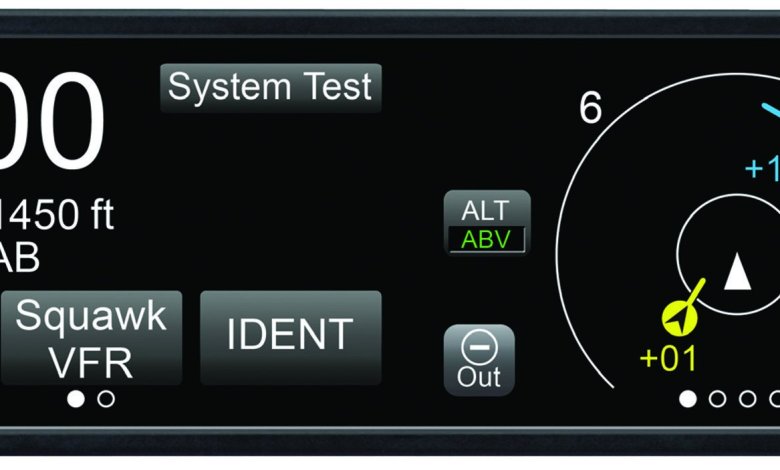
According to panelists at a recent Miami, Fla., conference geared to the business jet community and reported by Aviation International News (AIN), not all of the in-service fleet is expected to be compliant by the deadline. (Full disclosure: I often perform freelance work for AIN, for which I am compensated.) In fact, data cited by AIN show compliance is far from universal, with 17.5 percent of the piston-powered general aviation fleet (35,791 of 204,191) currently equipped.

Read More »

Dont Be Upset

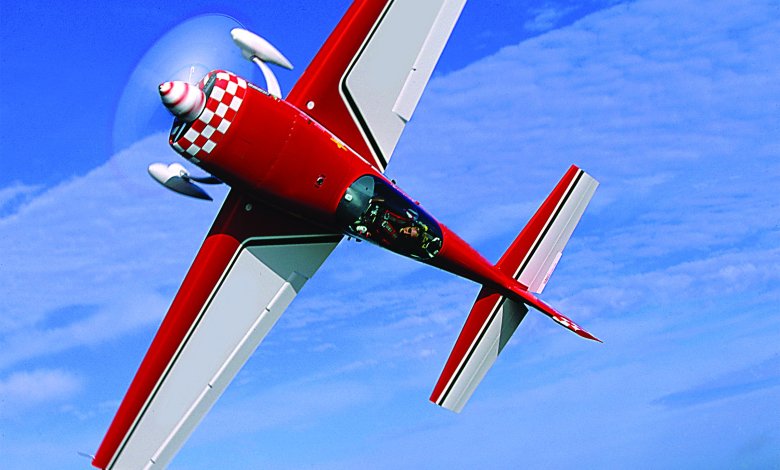
David Jack Kennys article on upset training (Undoing An Upset, November) was excellent. A year or so ago, my son and I spent a day with Patty Wagstaff in St. Augustine, Fla. We took ground school and two flights each. Not inexpensive, but not outrageous either. We got unbelievable training and spent much of the day in spins and inverted. Back at the hotel that night, we just looked at each other and said, Wow! Were both much better pilots following the experience.

Read More »

Shock And Yaw

to maintain heading when employing the “one-wing low” method or apply it when using a little of both methods to align the airplane with the runway.”

Read More »

No Checklist For This

I was flying a 2002-model A36 Bonanza (yeah, with me its always a Bonanza) home to Wichita from Thanksgiving in Ohio with my wife and our son aboard. Somewhere over Indiana, the Bonanzas attitude indicator (AI) began to tumble. The failure announced itself slowly, but very soon the instrument was pitching up and down in very distracting oscillations. It then displayed a range of indications-from off-scale nose-up pitch excursions to slightly below 20 degrees nose-down-in a roughly two-second cycle, while indicating bank angles between wings-level and about 10 degrees left.

Read More »

NTSB Reports

According to the pilot, he was delayed about 10 minutes by traffic before completing the engine run-up and takeoff roll with no anomalies noted. After the pilot lifted off and retracted the landing gear, the engine stopped producing power about 300 feet above the runway. There was no time to perform remedial actions to restore power, so the pilot lowered the landing gear and touched down on the remaining runway. The airplane went off the departure end of the runway, down an embankment and across a road before coming to rest upright 384 feet beyond the runways departure end in low brush.

Read More »

Brake Master Cylinders

After a brake master cylinder was installed, the technician was unable to bleed the brake system. Fluid pulled from reservoir would return to reservoir through the same line as the internal bypass was not functioning properly. Master cylinder was disassembled and bypass was found stuck and unable to move. Metal shavings were found inside, and an O-ring was torn, with black specks mixed in with the shavings. Part replaced with new master cylinder.

Read More »
Pilot in aircraft
Sign-up for newsletters & special offers!

Get the latest stories & special offers delivered directly to your inbox.

SUBSCRIBE