Download The Full December 2018 Issue PDF
- Truth In Icing
- How SAR Works
- Turbulence
- Checkride Paperwork
- FBO Fees
UDRI’s test was conducted “at a higher speed than the combined maximum speed of the drone and airplane
My airplane has wingtip-mounted fuel tanks, installed under a supplemental type certificate (STC). In many ways, theyve transformed and improved the machine by adding greater loading flexibility, thanks in part to a gross-weight increase. What drag they produce isnt noticeable, and the additional endurance means the airplane is faster over some trips than it was before. For many of my destinations, I can depart with full tanks, fly to my destination, shoot an approach, miss it and fly home with reserves.
The pilot reported that he and his co-owner had flown the airplane the night before the accident; it flew normally without problems. On the morning of the accident, he had to use the low-pressure boost pump to start the engine, but the pre-takeoff run-up was normal. The airplane ised most of the 4201-foot-long runway before becoming airborne. On reaching about 500 feet agl, the pilot determined the engine was not producing full power. He turned on the low-pressure boost pump and climbed to 1000 feet agl before turning back to the airport. The engine continued losing power, so he conducted a forced landing to a cornfield. A witness reported observing dark exhaust trailing the airplane during the takeoff.
I started my lessons (at 50 years old!) at an airport called Howell-New Lenox in Illinois. On my first solo, I had to go around due to a back taxi by another student with his instructor (my first exposure to being PIC in a two-pilot operation. But I was cool; I also learned that I was pretty calm in an abnormal situation-when Im alone.
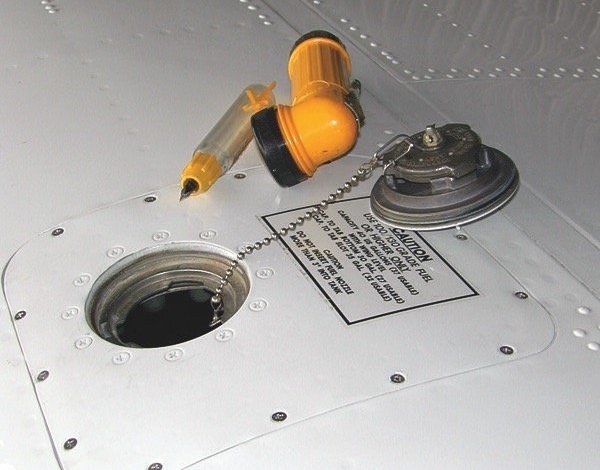
Ive owned Cessna T210s since 1977; first a 1969 J model and then a 1979 N model with a TSIO-520-R engine. In the 1980s, there were a number of fuel exhaustion accidents in 210s, all of them attributable to not getting a full fill and resulting in being shorted an hours supply when fueling stops after fuel backs up out of the filler port. The outboard sections of the fuel tanks are slightly higher than the bottom of the filler port. To get the last one-plus gallons in the tanks requires the slowest of fueling until reaching the real full point.
During descent, pilot noted oil streaking back from top engine cowl louvers, then dropping oil pressure. Pilot conducted precautionary shutdown and feathered propeller. Pilot continued descent and landed at destination without issue. Maintenance removed cowling and found oil appearing to come from the turbocharger (p/n 4066109025) area. Further investigation revealed oil bypassing the seals on the turbo.
By now, youve probably heard the news coming out of a recent AOPA Fly-In: The FAA is considering the idea of increasing the maximum takeoff weight limitation for wheel-equipped light sport aircraft (LSA) from 1320 lbs. to as much as 3600 lbs. On its face, this would allow a sport pilot with the appropriate endorsements to serve as pilot in command of, say, a Cirrus SR22 or an A36 Bonanza. Its one narrow focus of a broader initiative dubbed Modernization of Special Airworthiness Certificates, or MOSAIC, which may find its way into forthcoming FAA regulations.
I received a call from the owner of a turbocharged, high-performance single who lives in the Great Lakes region, well-known for icing conditions in late autumn, winter and early spring. His airplane was equipped with an aftermarket TKS-style ice protection system and was not FAA-approved for flight in known icing (FIKI). The pilot wanted to discuss strategies for flight during the cold times of the year, including insights into conditions where icing layers are vertically thin and/or rates of ice accumulation are typically light (or even only a trace).