











Breaking Up Isn’t Hard To Do
Don’t depend on datalinked Nexrad imagery alone to fly through thunderstorm activity. Instead, stay visual.

Don’t depend on datalinked Nexrad imagery alone to fly through thunderstorm activity. Instead, stay visual.
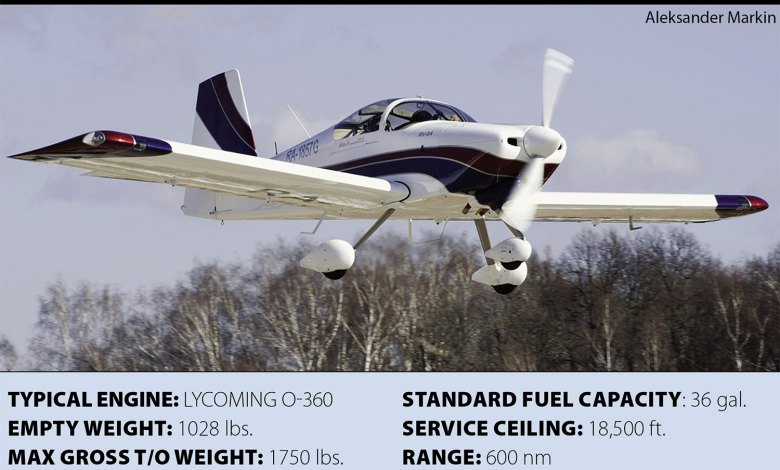
Flying VFR into instrument conditions is the way most spatial disorientation accidents happen. Just say no.
An engine oil leak is the kind of thing we should look for and notice during a preflight inspection.
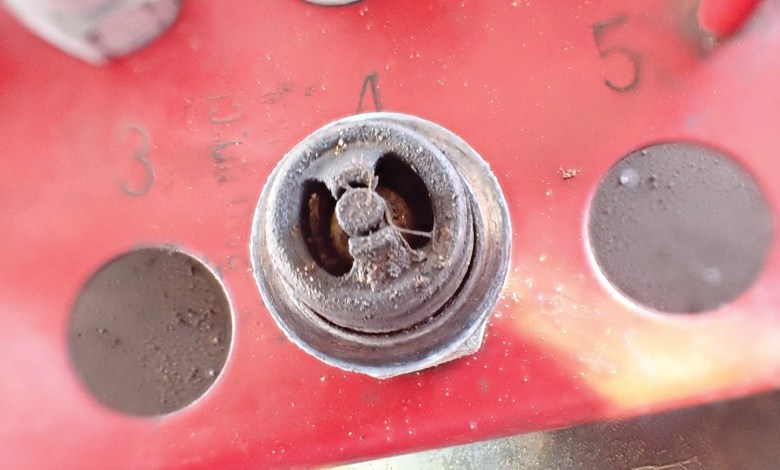
Low-power/compression avgas engines must be leaned properly to prevent combustion byproduct buildups.

We may think we need to respond quickly, but abrupt control inputs at low speed usually are a bad idea.
‘Taking a look’ at your destination’s weather conditions works best when you’re proficient and well-rested.
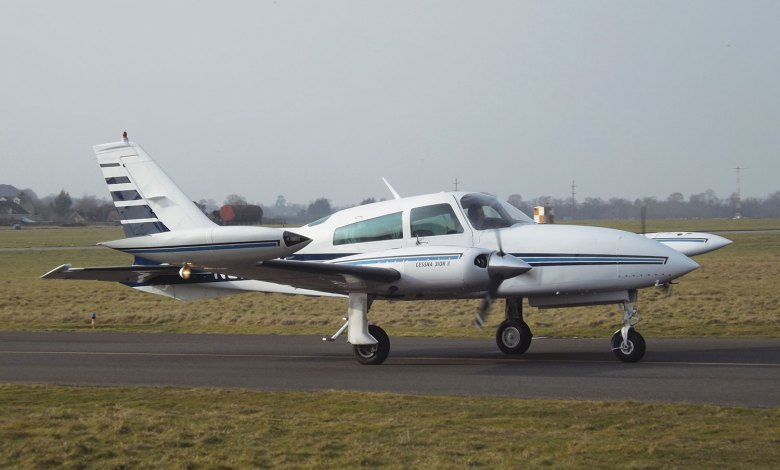
It turns out we don’t even have to be airborne before CO can enter the cabin and start compromising our abilities.

Why bother getting the rating when the avionics will fly the airplane on instruments better than I can?
Turning before you reach the missed approach point can place you between a rock and a hard place.
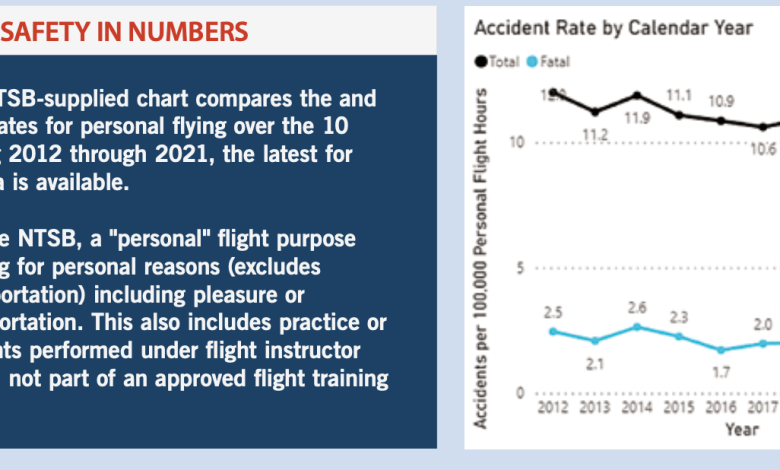
August 1, 2023, Sandersville, Ga. Velocity V-Twin Experimental At about 0922 Eastern time, the airplane was substantially damaged in an apparent loss-of-control event following engine failure shortly after takeoff. The pilot sustained serious injuries; the passenger was fatally injured. The day before the accident flight, the airplane’s powerplants were inspected by a local mechanic authorized […]

Get the latest stories & special offers delivered directly to your inbox.
SUBSCRIBE