Accident Probes

Cutting It Too Close

When considering which airplane one should fly—whether renting, clubbing, owning or via some other arrangement—a time-honored maxim is to consider your mission and use one that’s most suitable. Since it’s never that simple, such an answer usually elicits a big “duh” from the questioner. It would be nice to have one airplane to meet all […]

Read More »

NTSB Accident Reports

May 1, 2023, Batesville, Miss. Cessna 182D Skylane At about 1345 Central time, the airplane sustained substantial damage when it departed the runway while landing. The pilot and passenger were not injured. Visual conditions prevailed. Nearing the destination, the pilot was experiencing moderate to heavy chop. The first approach was too high, so he conducted […]

Read More »

Pulling The Wings Off

One important thing pilots too often minimize is the need for proficiency at their craft. Just because you have something in your wallet saying you legally can do Thing A, it doesn’t mean you can always do it well, or to minimum standards. An FAA medical certificate is similar: On a certain day not that […]

Read More »

Autopilot Malfunctions

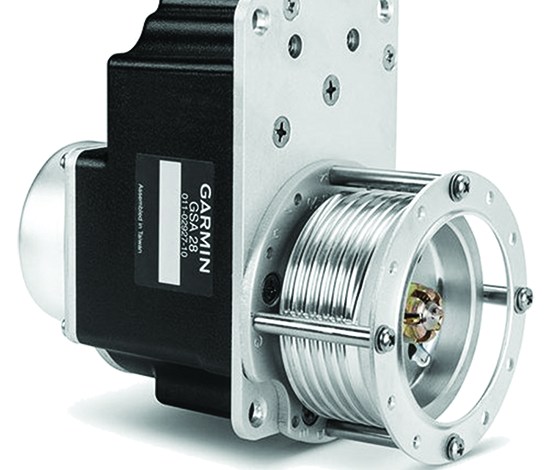
Cessna 208B Grand Caravan Uncommanded Pitch Down The pilot reported the Garmin GFC 600 autopilot engaged uncommanded and pitched the aircraft nose down. Autopilot would not remain disengaged. At this writing, maintenance has not determined cause of failure. Autopilot system was installed 74.4 hours and 32 days before occurrence. Part total time: 74.4 hours Cessna […]

Read More »

NTSB Accident Reports

April 2, 2023, Oxbow, Ore. Cirrus Design SR22 At 0950 Pacific time, the airplane was destroyed when it impacted mountainous terrain under unknown circumstances. The pilot and the passenger sustained fatal injuries. Instrument conditions prevailed; no flight plan was filed. The pilot requested flight-following services from ATC at 0934, while heading north at 11,900 feet […]

Read More »

Of Marine Layers And Spatial Disorientation

One of the riskiest everyday operations pilots are likely to encounter is an instrument takeoff and departure into relatively low clouds. The increased risk comes from the takeoff itself—we’re never really sure the airplane will fly until we try it—and the much smaller margin for any error that being close to the ground in IMC […]

Read More »

NTSB Accident Reports

March 2, 2023, Slaughters, Ky. Piper PA-28R-200 Cherokee Arrow II At 1305 Central time, the airplane was substantially damaged during an off-field landing following loss of engine power. The solo pilot was not injured. Visual conditions prevailed. The pilot purchased the airplane in April 2021; it had not flown for 24 years. After an extensive […]

Read More »

High-Density Altitude Departure Stall

Remember departure stalls? According to the FAA’s Airplane Flying Handbook, they’re a power-on stall demonstration, typically begun at liftoff speed. The pilot then adds climb power, raises the nose and coordinates the flight controls “until the full stall occurs.” The FAA’s private pilot airmen certification standards publication wants the pilot to acknowledge “cues of the […]

Read More »

NTSB Reports

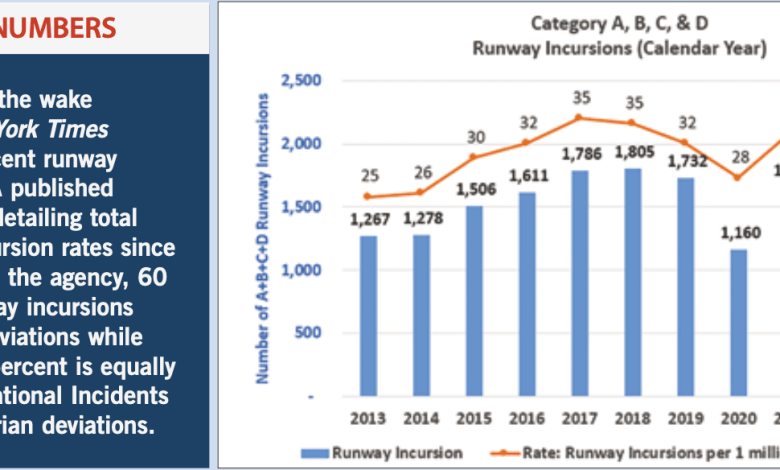
February 4, 2023, Austin, Texas Boeing 737-700/Boeing 767-300 At about 0640 Central time, a Federal Express Boeing 767 and a Southwest Airlines Boeing 737 “were involved in a runway incursion with overflight that resulted in a loss of separation,” the NTSB reported. There were no injuries in the incident. Both flights operated under FAR 121 […]

Read More »

Ground Control

Primary students often encounter a number of plateaus in their training. It might be stall recoveries, landings, cross-country navigation or something as simple as “mic fright,” a fear of using the radio to talk with ATC. Often, however, it’s crosswind landings and takeoffs. The reasons for difficulty with certain maneuvers and/or curriculum stages vary, but […]

Read More »
Pilot in aircraft
Sign-up for newsletters & special offers!

Get the latest stories & special offers delivered directly to your inbox.

SUBSCRIBE