













Register

Ready For Winter

Having owned an aircraft maintenance facility, Ive seen a lot of expensive damage to airframes and engines over the years directly resulting from improper winter care by the owner. Winter flying can be very rewarding and enjoyable for you and your passengers with the proper planning. But if winter flying isnt your cup of hot tea, and your airplane will sit outside, you may wish to consider what you can do to make that harsh…

Gemini Sparkle

Key Takeaways:

  • Comprehensive pre-winter maintenance is crucial for aircraft, covering engine systems (e.g., fresh oil, spark plugs, battery checks), fluid systems (sump draining, hydraulic bleeding, lubrication), and control adjustments to prevent damage and ensure reliability in cold weather.
  • Strategic winter parking and storage considerations include selecting appropriate tiedown locations with power access, planning for snow removal, avoiding areas prone to ice, and performing manufacturer-recommended preservation procedures for aircraft inactive for over 30 days.
  • Safe cold-weather operations demand strict adherence to removing all ice and snow before takeoff, proper and thorough engine preheating for air-cooled engines to ensure adequate lubrication and reduce wear, and pilot preparedness with appropriate gear and functional safety equipment like carbon monoxide detectors.
See a mistake? Contact us.

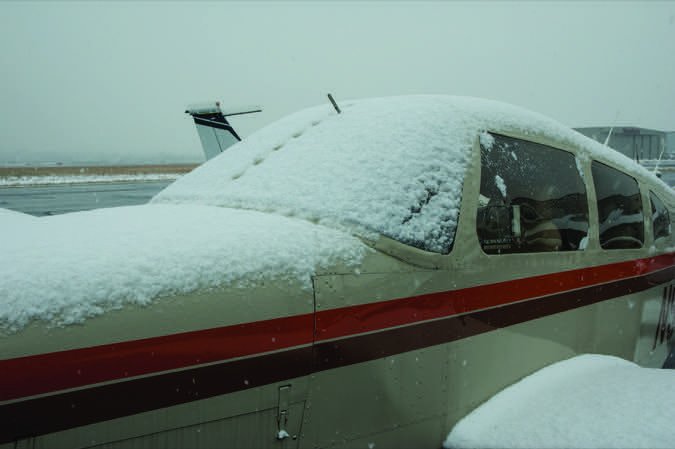
Having owned an aircraft maintenance facility, I’ve seen a lot of expensive damage to airframes and engines over the years directly resulting from improper winter care by the owner. Winter flying can be very rewarding and enjoyable for you and your passengers with the proper planning. But if winter flying isn’t your cup of hot tea, and your airplane will sit outside, you may wish to consider what you can do to make that harsh environment a bit easier on it.

Regardless of whether the airplane will be active during the winter months or secured until spring, we can prepare for the season by identifying some of the pitfalls pilots and owners may encounter. For example, owners may wish to perform the manufacturer’s recommended engine and airframe storage procedures if the airplane will be in non-flying status. Others may wish to take steps designed to ensure safe, reliable operations, many of which may fall well within the FAA’s preventive maintenance rules owners can perform. Regardless, now’s a good time to think about how we’ll handle winter.


Ready to Sell Your Aircraft?

List your airplane on AircraftForSale.com and reach qualified buyers.

List Your Aircraft
AircraftForSale Logo | FLYING Logo
Pilot in aircraft
Sign-up for newsletters & special offers!

Get the latest stories & special offers delivered directly to your inbox.

SUBSCRIBE