A Bartlett Sunday, April 22, 2018

Props

Propellers often are not well understood by general aviation pilots. Their purpose-transferring the engines horsepower into thrust by moving a large volume of air to the rear-usually is obvious. How this feat is accomplished may not be. Looking at a propeller blade cross-section will reveal it is actually an airfoil, one moving at a right angle to the airplanes desired motion.

Read More »
A Bartlett Wednesday, March 21, 2018

Minimizing The Risk Of Engine Failure

Almost from the beginning of our training, pilots are taught how to react to an engine failure. Before that, though, were also taught how to conduct a preflight inspection to ensure the engine (and the rest of the aircraft) is ready for what we are planning. Thats as it should be, since mechanical failures are a major component of overall accident causes, right after the pilot making a mistake. The good news is that the typical piston engine in a personal aircraft is much more reliable than it was a few years ago. The bad news is those reliability improvements often result in pilots giving little thought to piston engine aircraft reliability because failures have become so rare.

Read More »
A Bartlett Sunday, October 22, 2017

Ready For Winter

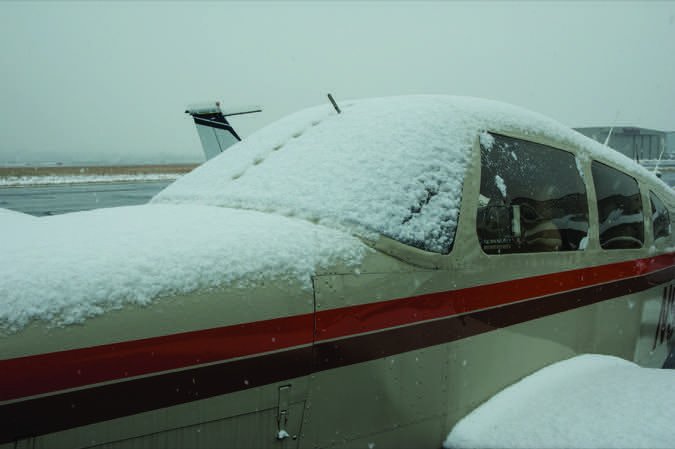
Having owned an aircraft maintenance facility, Ive seen a lot of expensive damage to airframes and engines over the years directly resulting from improper winter care by the owner. Winter flying can be very rewarding and enjoyable for you and your passengers with the proper planning. But if winter flying isnt your cup of hot tea, and your airplane will sit outside, you may wish to consider what you can do to make that harsh…

Read More »
A Bartlett Saturday, September 23, 2017

NTSB Highlights Gas Fuel-Related Accidents

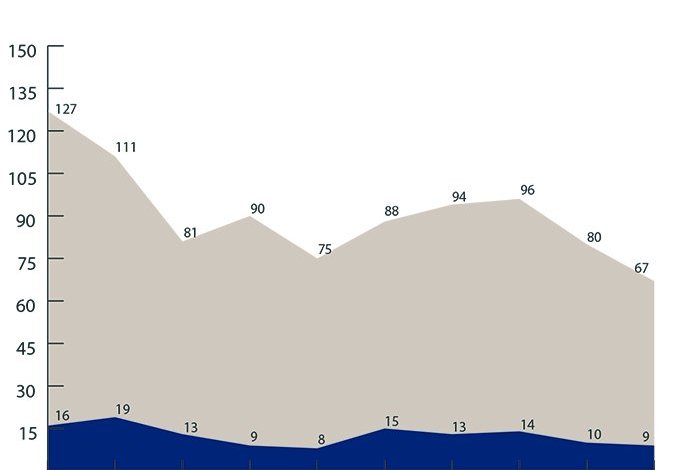
The NTSB in August released the latest in a series of what it calls Safety Alerts, which focused on preventable accidents stemming from fuel starvation or fuel exhaustion. According to the Safety Alert (SA-067, Flying On Empty, August 2017), an average of more than 50 accidents each year in the five years from 2011 to 2015 occurred due to fuel management issues.

Read More »
A Bartlett Tuesday, June 20, 2017

Maintenance Safety

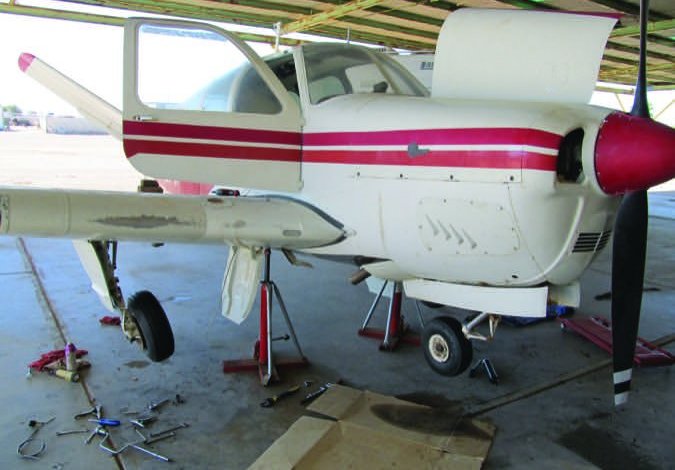
Many of us recognize one of the ingredients to making our flying less risky and safer is good maintenance. At the same time, sometimes we give little thought to ways to make aircraft maintenance itself less risky and safer. The fact is the typical private-pilot-or-better performing preventive maintenance under FAR 43, Annex A doesnt pay enough attention to safety while working on aircraft. Some professionals dont either.

Read More »
A Bartlett Wednesday, May 17, 2017

Situational Awareness?

Over the last couple of decades, theres been a growing realization within aviations training and safety arenas about situational awareness. The conversation generally involves ways to enhance situational awareness in the cockpit and often concentrates on technological solutions, like moving maps, or displaying real-time traffic and weather. The presumption is that greater situational awareness is better and that all of us have at least some measure of this characteristic.

Read More »
A Bartlett Tuesday, March 7, 2017

Top Five Tire Tips

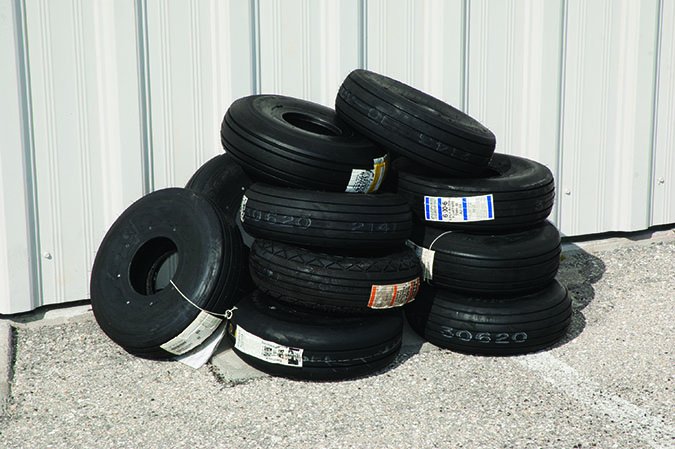
While generally round and black in color, thats almost all the characteristics aircraft tires have in common with their automotive siblings. In fact, a major difference is the construction and materials used in their manufacture. Aircraft tires and tubes primarily incorporate natural rubber while automotive tires use synthetic compounds extensively. Aircraft tires are designed for a very specific job and are part of the landing gear system on almost every aircraft.

Read More »
A Bartlett Monday, July 18, 2016

Aircraft Tailplane Stalls

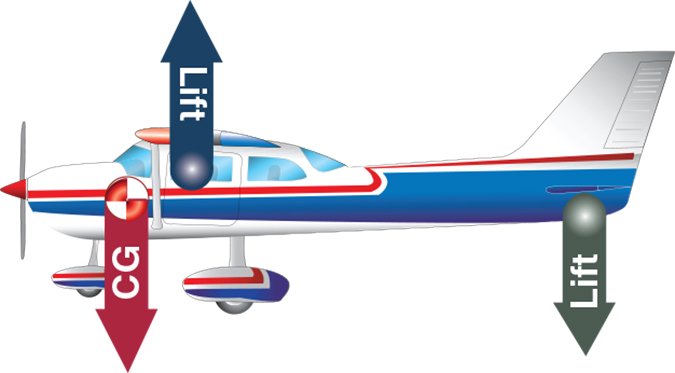
We dont usually take requests, but a reader wrote recently to ask us about tailplane stalls, those involving the horizontal portion of an airplanes tail. Its been a while since we covered them in-depth, so nows a good time to revisit that topic. Our reader wrote: The middle of summer when it is 90 degrees outside is not when most pilots think about tailplane icing but I would like to see an article about the aerodynamics of recovery from a tailplane stall and I know you need lead time to do that.

Read More »
A Bartlett Wednesday, October 26, 2011

Preflight Inspections

Aircraft manufacturers would have us perform a recommended preflight inspection before every flight. Sometimes, that’s necessary and appropriate, especially when we’re unfamiliar with the airplane, it’s a rental and/or we find something on a cursory examination making us want to dive down deeper into determining whether the airplane really is airworthy. On the other side of the coin, you may want to go far beyond the handbook’s recommendations. One example is when the airplane is just out of the maintenance shop. The trick is knowing how close a look the aircraft really needs One answer is experience, but that’s not something all of us have in abundance.

Read More »
Loading Posts