













Register

Aircraft Tailplane Stalls

We dont usually take requests, but a reader wrote recently to ask us about tailplane stalls, those involving the horizontal portion of an airplanes tail. Its been a while since we covered them in-depth, so nows a good time to revisit that topic. Our reader wrote: The middle of summer when it is 90 degrees outside is not when most pilots think about tailplane icing but I would like to see an article about the aerodynamics of recovery from a tailplane stall and I know you need lead time to do that.

Gemini Sparkle

Key Takeaways:

  • An ice-contaminated tailplane stall (ICTS) occurs when the horizontal stabilizer loses lift, often in icing conditions when deploying flaps, indicated by symptoms like light pitch controls, a nose-down tendency, or buffeting.
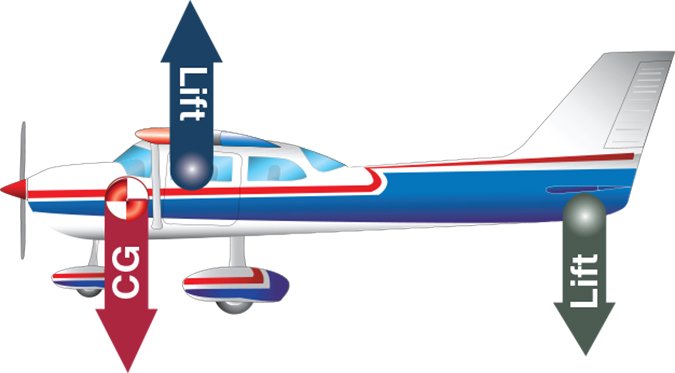
  • Unlike a main wing, the tailplane's airfoil is effectively "upside down" to counter the aircraft's nose-down tendency, meaning its stall is remedied by *decreasing* its angle of attack, which is achieved by pitching the aircraft's nose *up*.
  • Therefore, the correct and counter-intuitive recovery from an ICTS is to **pull back on the pitch control** (yoke/stick) to reduce the tailplane's angle of attack, while also retracting flaps to their previous position and reducing power.
See a mistake? Contact us.

We don’t usually take requests, but a reader wrote recently to ask us about tailplane stalls, those involving the horizontal portion of an airplane’s tail. It’s been a while since we covered them in-depth, so now’s a good time to revisit that topic. Our reader wrote: “The middle of summer when it is 90 degrees outside is not when most pilots think about tailplane icing but I would like to see an article about the aerodynamics of recovery from a tailplane stall and I know you need lead time to do that.

“The FAA guidance, as I understand it, is to pull back on the stick/yoke to recover from a tailplane stall. That seems wrong to me, but I have not been able to find an instructor who can explain the aerodynamics of how that recovery works…. I am sure the FAA is correct since they have people a lot smarter than me in aerodynamics. I am obviously missing something so could you please find someone who understands the aerodynamics of tailplane stall recovery and have them write an article on the subject in time for winter?”


Ready to Sell Your Aircraft?

List your airplane on AircraftForSale.com and reach qualified buyers.

List Your Aircraft
AircraftForSale Logo | FLYING Logo
Pilot in aircraft
Sign-up for newsletters & special offers!

Get the latest stories & special offers delivered directly to your inbox.

SUBSCRIBE