
When St. Mary’s Church asked Cincinnati bishop Joseph Binzer to officiate at a “Blessing of Aircraft” ceremony at Grimes Field in Urbana, Ohio, Bishop Joe demonstrated remarkable faith in divine providence and flew with me in 72B to this central Ohio town. It was September 18, the feast day of a 17th-century Italian monk famous for praying so fervently that he’d levitate off the ground. So although it would be several hundred years before the rest of us — fervent or otherwise — would levitate in flying machines, Joseph of Cupertino became the patron saint of aviators.
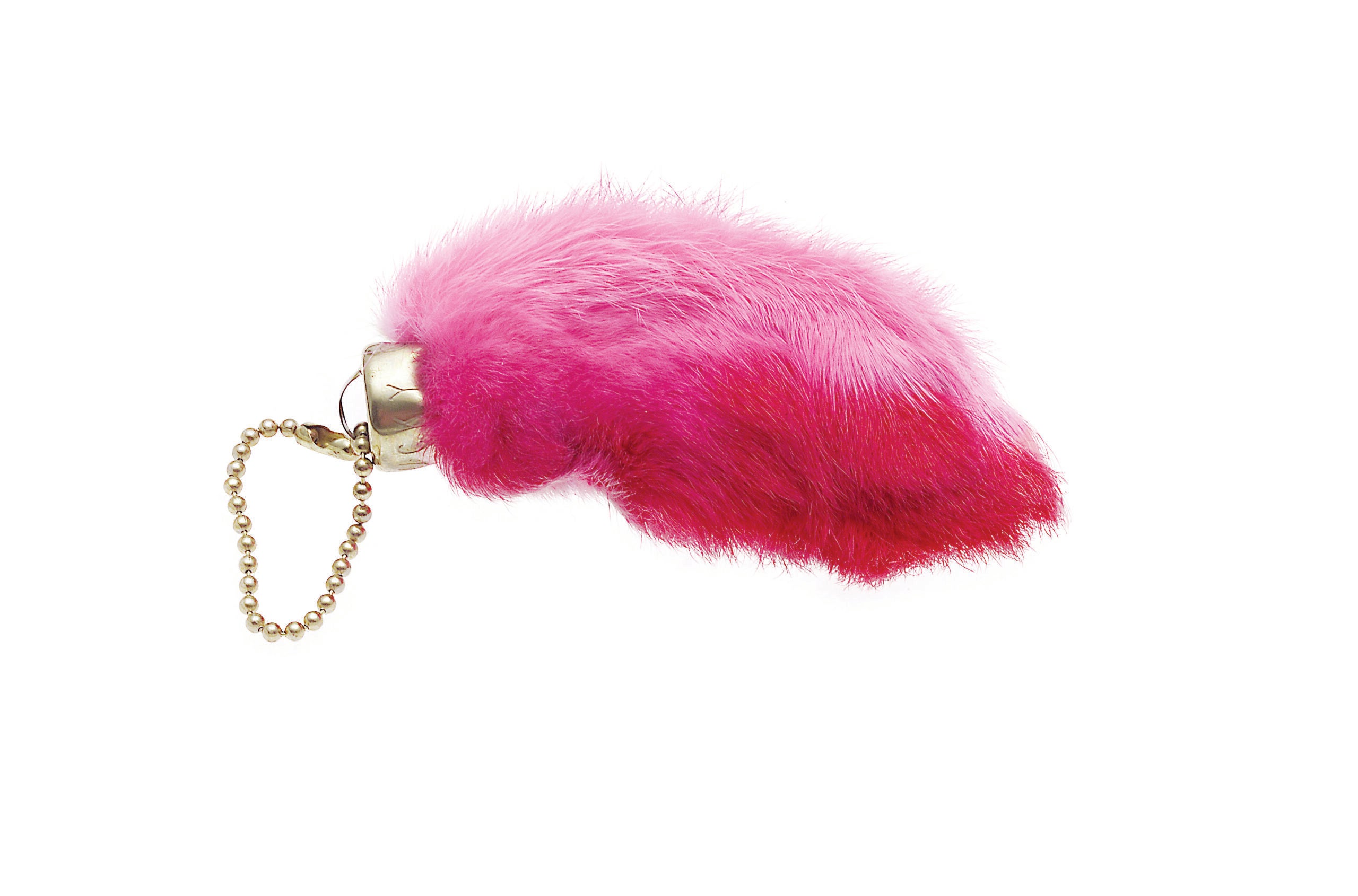
Unusual Attitudes: Saints, Rabbits’ Feet, Garters and Boomerangs

Key Takeaways:
- Aviators throughout history have sought good fortune and protection through various means, initially relying on patron saints like St. Joseph of Cupertino and Our Lady of Loreto.
- From early aviation through WWI and WWII, pilots employed a vast array of superstitious charms and rituals, ranging from rabbit's feet and personal items to specific animals and unique pre-flight routines.
- Even in the Jet Age, superstitions persist among pilots, astronauts, and commercial airlines, manifesting as lucky personal items, avoidance of "unlucky" numbers, and specific ritualistic behaviors.
- These practices highlight the enduring human need to invoke good luck and a sense of control in the high-risk environment of aviation, despite technological advancements.
Key takeaways sponsored by Aviator Pro | Start Your Training ->
See a mistake? Contact us.