














Register

Why Twilight Can Be a Complicated Time for Pilots

Do you know the difference between civil twilight, nautical twilight and astronomical twilight?

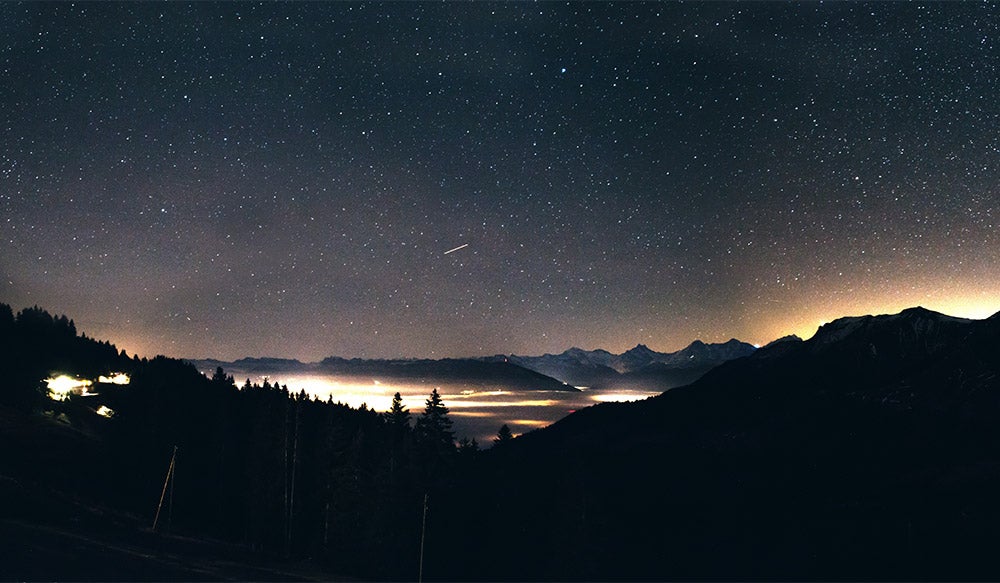
Twilight is partitioned into three zones: civil, nautical and astronomical. Pexels
Gemini Sparkle

Key Takeaways:

  • The article details multiple fatal aviation accidents stemming from poor pilot judgment during night flights or in extremely low visibility conditions like dense fog.
  • Incidents included pilots attempting to land at unlighted airstrips, flying in pitch darkness, or encountering severe weather, leading to collisions with trees or terrain.
  • Contributing factors often involved insufficient experience, navigational challenges in darkness, and dangerous visual illusions such as the "black-hole effect" during landing approaches.
See a mistake? Contact us.

Twilight is a complicated thing. It is partitioned into three zones. There is civil twilight, which lasts from sunset to when the center of the sun is 6 degrees, or about 12 solar diameters, below the horizon and things can no longer be clearly seen.

Then comes nautical twilight, which ends when the center of the sun is 12 degrees below the horizon and a seaman no longer discerns the break between the western sea and the sky. Finally, astronomical twilight ends when the sun is 18 degrees below the horizon, leaving the sky black enough for the inspection of distant galaxies.


Peter Garrison

Peter Garrison taught himself to use a slide rule and tin snips, built an airplane in his backyard, and flew it to Japan. He began contributing to FLYING in 1968, and he continues to share his columns, ""Technicalities"" and ""Aftermath,"" with FLYING readers.

Ready to Sell Your Aircraft?

List your airplane on AircraftForSale.com and reach qualified buyers.

List Your Aircraft
AircraftForSale Logo | FLYING Logo
Pilot in aircraft
Sign-up for newsletters & special offers!

Get the latest stories & special offers delivered directly to your inbox.

SUBSCRIBE
