













Register

Target the Touchdown Zone

Spotting Traffic in the Pattern Flying
Gemini Sparkle

Key Takeaways:

  • Pilots should target a specific touchdown zone, ideally the first third of the runway, and execute a go-around without hesitation if not on the ground by its end.
  • Immediately after landing, tap brakes to confirm engagement; if they fail, initiate a go-around and plan subsequent actions, potentially including selecting an airport with a longer runway.
See a mistake? Contact us.

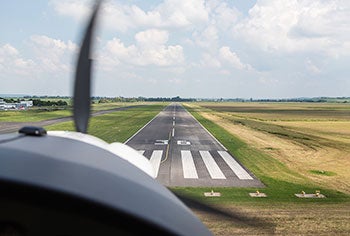
We all strive for landings that are silky smooth, where the wheels of the airplane appear to kiss the ground before they slowly roll to a stop. But in addition to making a soft touchdown a priority, you should have an area on the runway in mind as the touchdown zone. If you are not on the ground by the end of that zone you should, without any hesitation, push the throttle (or throttles) forward and go around.

In most cases, the first third of the runway should be your target touchdown zone. While there is no good reason to target the first couple of hundred feet since the consequences of landing short are nothing short of devastating, it is best to make sure that you have a significant amount of runway left to play with after you land in case there is an unexpected problem, such as malfunctioning brakes.


Pia Bergqvist

Pia Bergqvist joined FLYING in December 2010. A passionate aviator, Pia started flying in 1999 and quickly obtained her single- and multi-engine commercial, instrument and instructor ratings. After a decade of working in general aviation, Pia has accumulated almost 3,000 hours of flight time in nearly 40 different types of aircraft.

Ready to Sell Your Aircraft?

List your airplane on AircraftForSale.com and reach qualified buyers.

List Your Aircraft
AircraftForSale Logo | FLYING Logo
Pilot in aircraft
Sign-up for newsletters & special offers!

Get the latest stories & special offers delivered directly to your inbox.

SUBSCRIBE
