The weight-shift-control sea aircraft I was about to learn to fly in California was on an inflatable boat tied up to the dock. As I looked it over, I could see that, with the wing and engine mounted on top, it was very top-heavy. The biggest problem I expected to have was that the water-rudder controls were backward from airplane rudder controls—step on the left pedal to go right and the right pedal to go left. You could tell yourself that, and it worked great when you were making a decision in advance to turn on the water. But when you were correcting an unintended turn, it was hard to overcome years of habit in an airplane.
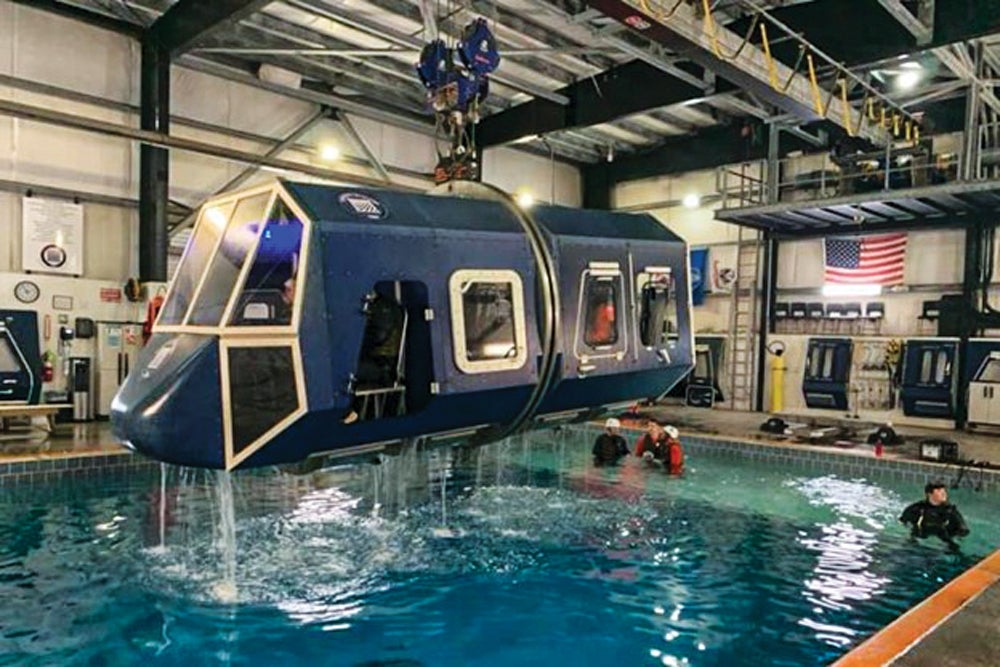
Underwater Egress Training Pays Off
When you can say, “Been there, done that!”

Key Takeaways:
- The author's calm and successful escape from a submerged aircraft was a direct result of prior "dunker" training, which built confidence and eliminated anxiety for unexpected water emergencies.
- This "been there, done that" principle is crucial for aviation risk mitigation, preparing pilots through realistic simulator and practical training for scenarios such as system failures, challenging weather, and critical in-flight emergencies.
- By simulating emergencies, pilots develop the composure and muscle memory to react effectively, making stressful real-life events feel familiar and manageable, thereby significantly enhancing safety.
Key takeaways sponsored by Aviator Pro | Start Your Training ->
See a mistake? Contact us.