Register

Search Results for: maintaining your airplane

Accident Probes

Constant Contact

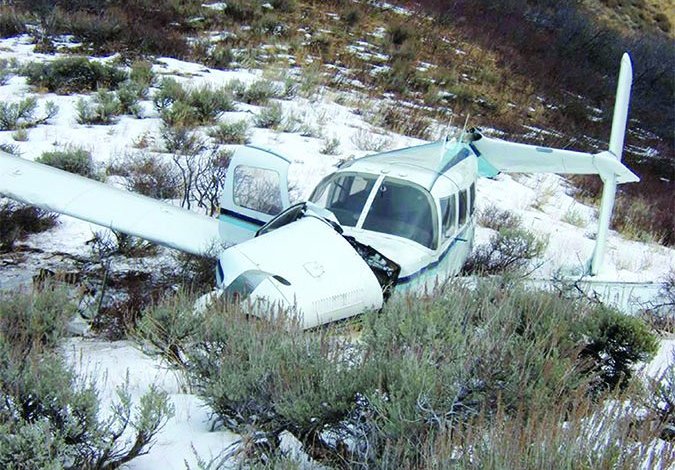
Theres really no question that maintaining radio and radar contact with ATC significantly adds to flight safety, whether youre IFR or VFR, and whether youre going somewhere or just boring holes. But its vitally important to remember that when your communications are lost, airplanes fly on physics discovered by Bernouli, not on communications pioneered by Marconi.


Read More »
Accident Probes

Stabilized Approaches

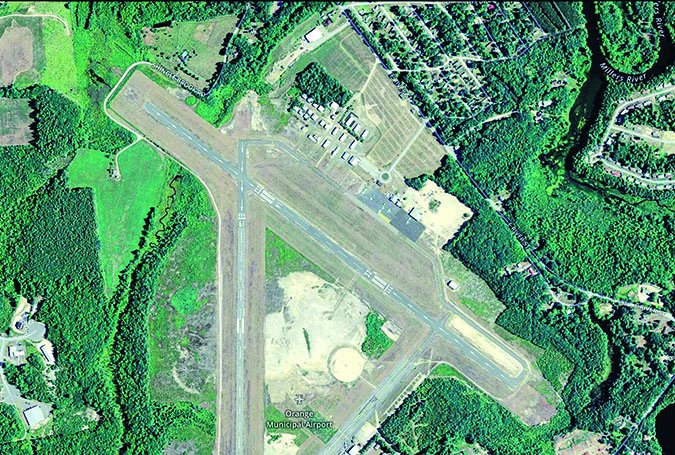
As a pilot who spent the majority of his time landing on the kind of runways described by Mike Hart in his article, Off The Beaten Path, in June 2015s issue of Aviation Safety, I will testify to the fun of landing at such places. Most pilots will spend their time on surfaces free of undulations, slope and aircraft damaging debris, so it was good to be reminded of how the surface interacts with my flying.

Read More »
News

Jumpseat: Recurrent Training with a Friend

Something told me to check the 777 simulator clipboard for a schedule change. I glanced at the name listed as the check airman for my 0945 time slot. Yup, there had been a reassignment. I smiled. Capt. Scott Meade was now in charge. In a former life, Scott was the chief pilot at my New […]

Read More »
Avionics and Gear

Going Downhill Fast

Keeping your instrument-flying skills sharp is like high school football. No, not the social activities after the game; we mean the combination of drills and scrimmage. This sim challenge is a bit of both. The scrimmage part is that youll practice in the context of a (nearly) complete flight. The drill part is that flight is focused on one skill: the anvil descent.

Read More »
Aircraft Analysis

Risk And Consequences

One of the first and most obvious choices we make when using a personal airplane is routing. We want to get from Point A to Point B, usually by the shortest, most direct route. So far, so good. What if that route increases the consequences of the risk in question, namely that our sole powerplant will fail at the worst possible time? Maybe change the route?

Read More »
Aircraft Analysis

Top Five Tire Tips

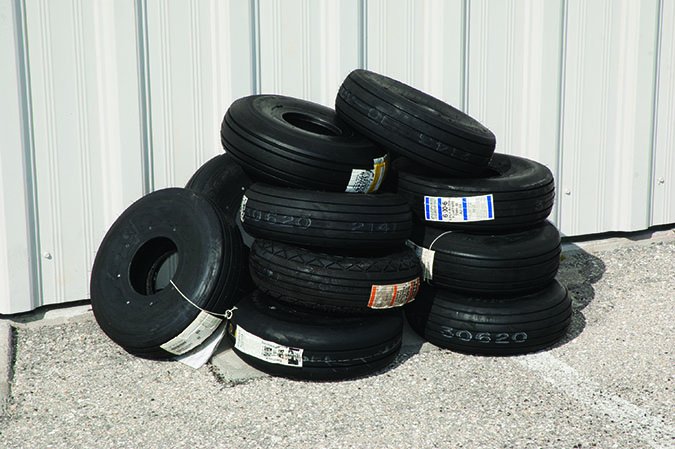
While generally round and black in color, thats almost all the characteristics aircraft tires have in common with their automotive siblings. In fact, a major difference is the construction and materials used in their manufacture. Aircraft tires and tubes primarily incorporate natural rubber while automotive tires use synthetic compounds extensively. Aircraft tires are designed for a very specific job and are part of the landing gear system on almost every aircraft.

Read More »
Charts & Plates

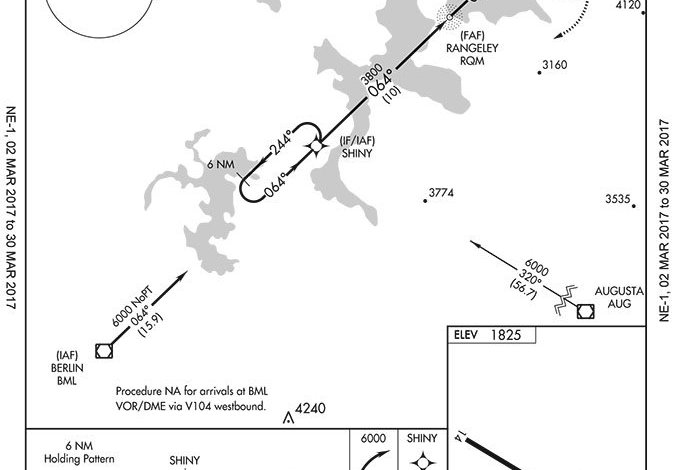
Displacement Effect

Displaced thresholds are just for landing in the direction of the displacement. So back in 2008 when the 4800-foot runway was displaced 1500 feet from both ends, the landing distance either way was 3300 feet. You may roll out, or even touch down and stop, on the displacement for the opposite direction.

Read More »
Accident Probes

IPC Scenarios

A lot of attention has been directed at the FAAs new airman certification standards (ACS), which prescribe how practical tests are conducted. Last year, the FAA implemented ACS for the private pilot-airplane certificate and instrument-airplane rating. A chief difference between the ACS and its predecessor practical test standards (PTS) is expanded integration of risk management principles. Another involves how slow flight is performed.

Read More »
Features

Instrument Issues

Instruments have been a part of aviation since the first flights by the Wright Flyer equipped with a stopwatch, an anemometer to measure wind speed and a Veedor to measure engine revolutions. With the increase of flight activity in the early years of aviation, aircraft instruments were invented that provided necessary information to pilots for precise control and navigation of their aircraft.

Read More »
Editor's Log

Making The Grade

Self-evaluation can be an important component of a pilots ongoing training and currency efforts. If we dont know how well we did on a given flight, how will we know what to practice on the next one? How will we know how well well shoot an ILS when it counts if we cant manage one in severe clear on a nice day? Presuming you, like me, always want to fly with the fewest mistakes, some kind of self-evaluation is both necessary and appropriate. How you go about it is key.

Read More »
Pilot in aircraft
Sign-up for newsletters & special offers!

Get the latest stories & special offers delivered directly to your inbox.

SUBSCRIBE