










What Makes a Debatable Risk?
A questionable takeoff in fog by the pilot of a Cessna 340 ends in tragedy.


A questionable takeoff in fog by the pilot of a Cessna 340 ends in tragedy.
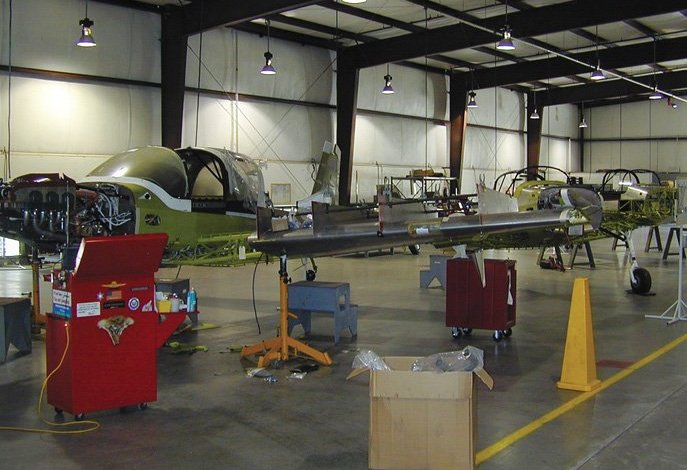
Most of my articles for this journal focus on managing the risk of flying piston-powered general aviation aircraft, with examples of good and poor risk management. But risk management is at least equally critical in the world of operating airliners and turbine-powered transport category aircraft. Recent air carrier accidents provide illustration and lessons relevant to operating small general aviation aircraft, especially when designing and certifying them. In fact, and just as during flight operations, the job of managing risk in the design and certification is to identify, assess and mitigate that risk. These procedures apply even more objectively when using rigid design criteria, especially when they involve transport category aircraft.
The FAA defines a hot spot as a location on an airport movement area that demands heightened attention by pilots and vehicle operators due to the history of potential collision or runway incursion. Knowing where any hot spots are at the airports you intend to use arms you with useful risk management information. Meanwhile, the FAA has gone sort of nuts with the airport hot spot concept. Dont believe me? Check out the airport diagram for Addison Airport (KADS) in Dallas, Texas, below. Every taxiway intersection east of the runway is a hot spot.

In 1986, I flew a Beechcraft Baron 58 each night carrying canceled bank checks from Baltimore to Richmond, Virginia; Charlotte, North Carolina; Philadelphia and back to BWI, departing at about 10 p.m. and returning by 6 a.m. the next morning. I was part of a network of check-carrying general aviation aircraft that crisscrossed the nation […]

On a beautiful spring morning in Greensboro, North Carolina, it was with great familiarity and joy that I stepped into the exquisite cabin of a deep red HondaJet with company pilot Stefan Johansson, senior manager of flight operations. As I slid into the soft leather seat on the left side of the cockpit, my first […]

It wasn’t all that long ago that Jordan Sepsey was planning his escape from a food-distribution job. That was December 2016, to be precise. With Christmas approaching, his wife, Julie, suggested he finally go look at flight schools. Sepsey quickly decided to enroll in ATP’s Airline Career Pilot Program at New York’s MacArthur Airport (ISP) […]
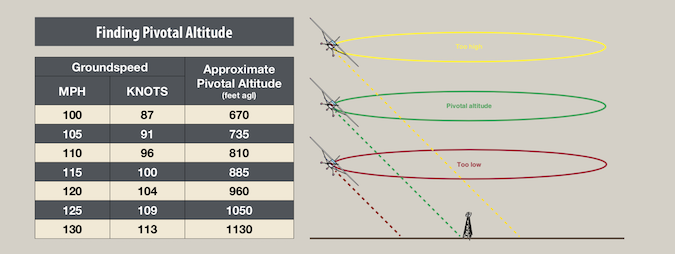
A long-time pilot-friend of ours tells a story about his first check ride for the commercial certificate. Everything was going relatively well until the examiner asked him to perform the eights on pylons maneuver. His response was something along the lines of, Yes sir, thank you, sir, and what altitude would you like, sir? The examiner ended the check ride and told him to come back after talking with his instructor about pivotal altitude. When he did, he learned that the correct pivotal altitude for a given groundspeed allows a banked line of sight from the cockpit directly parallel to the lateral axis of the aircraft to the pylon, a stationary object on the ground. Our friend went on to be one of the first pilots to fly the Airbus A300 in the U.S., for Eastern Airlines.
A witness observed the accident airplane at about 30 feet agl without its landing gear extended, and it was not extended when the airplane began to flare. Examination revealed the runway surface showed striated gouges and two long skid marks tracing the airplanes path from the runway.

Sitting around and talking with pilot friends, you hear nonstop talk about aircraft and equipment. Eventually, someone always brings up ATC in conversation. Pilots argue among themselves more intensely than Socrates debating Plato. One question that new and even veteran pilots bring up is why, when they file an IFR flight plan, that their clearance is usually never as filed but includes a route change of some sort.

Get ready to star in this adventure by positioning your aircraft on Runway 24 at Muskegon County (KMKG) in Michigan. Pick whatever aircraft best resembles an aircraft you fly. If you have the option for retractable gear, you might want to use it as that adds a variable to this exercise and makes it more, um, fun. But the choice of the airplane is really up to you. If you fly a twin, slum it for this sim challenge and go back to the high-performance single you probably traded in for your first twin.

Get the latest stories & special offers delivered directly to your inbox.
SUBSCRIBE